
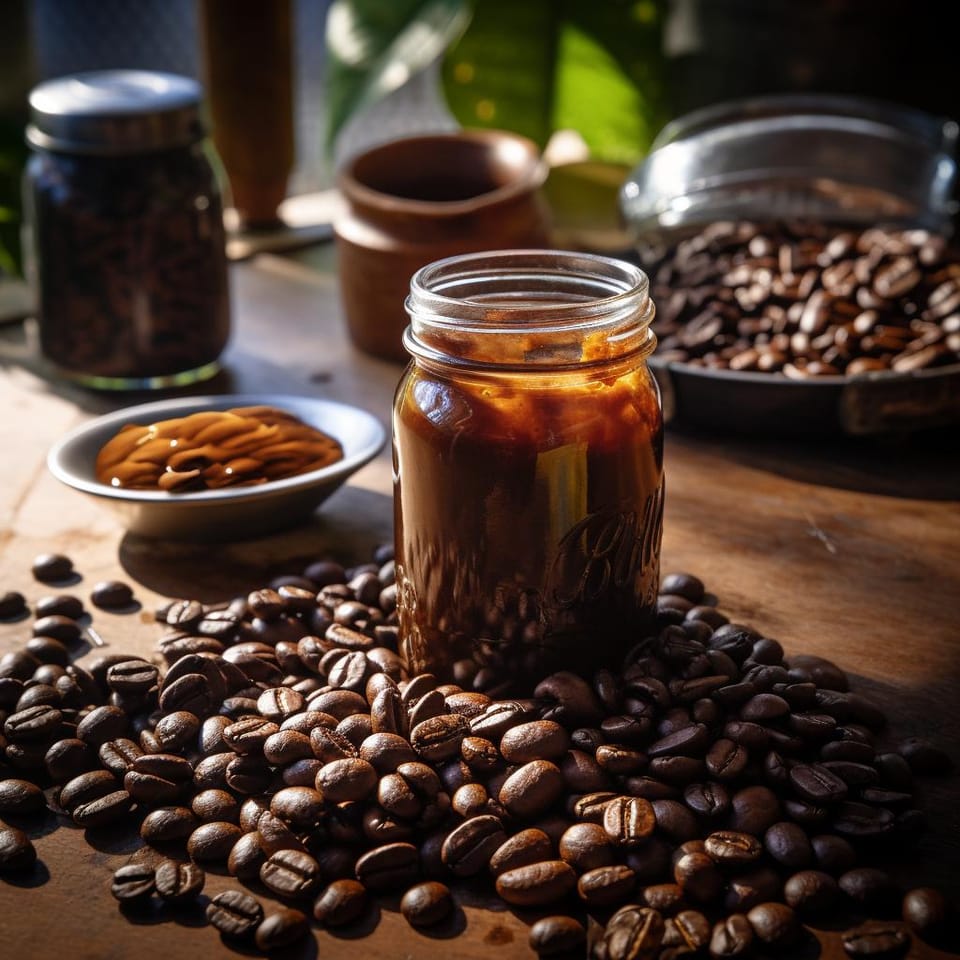

☕ Welcome to the Chilled World of Cold Brew Coffee!
Imagine, a sweltering summer afternoon, the sun blazing overhead. You take a sip of your ice-cold drink, but it's not just any drink—it's a glass of dark, rich, and utterly refreshing cold brew coffee. The secret to its exquisite taste? The right coffee beans, of course!
As you embark on your cold brew journey, remember: not all beans are created equal. The perfect cup of cold brew doesn't just happen—it's a labor of love, a result of selecting the perfect cold brew coffee ratio and using the best coffee beans for cold brew.
Whether you're a seasoned coffee connoisseur or a curious novice, this guide will help you navigate the vast world of coffee beans, brewing methods, and recipes. Ready to dive into the alluring world of cold brew? Let's get started!

The Bean Scene: Unraveling the Magic of Cold Brew Coffee Beans
Embarking on a cold brew journey is like stepping into a world of endless possibilities, where each bean holds a story, a taste, a unique character. The best coffee beans for cold brew are often those that balance boldness with subtlety, creating a symphony of flavors that dances on your palate. Just like the enchanting notes of a well-composed melody, the flavors of your cold brew coffee beans should harmonize, not overpower.
Ever wondered why Colombian beans give your cold brew a nutty flavor, while Ethiopian ones introduce a fruity note? It's all about their origins. The soil, climate, and altitude where these beans are grown significantly influence their flavor profiles. It’s not just about making the perfect cold brew, it's about understanding the beans, their journey, and how that journey shapes every sip you take.
And remember, there's no one-size-fits-all in the world of cold brew coffee. What's the perfect cold brew coffee ratio? What's the best method? It all comes down to personal preference. So, why not experiment with different beans and methods? After all, the journey is just as important as the destination.
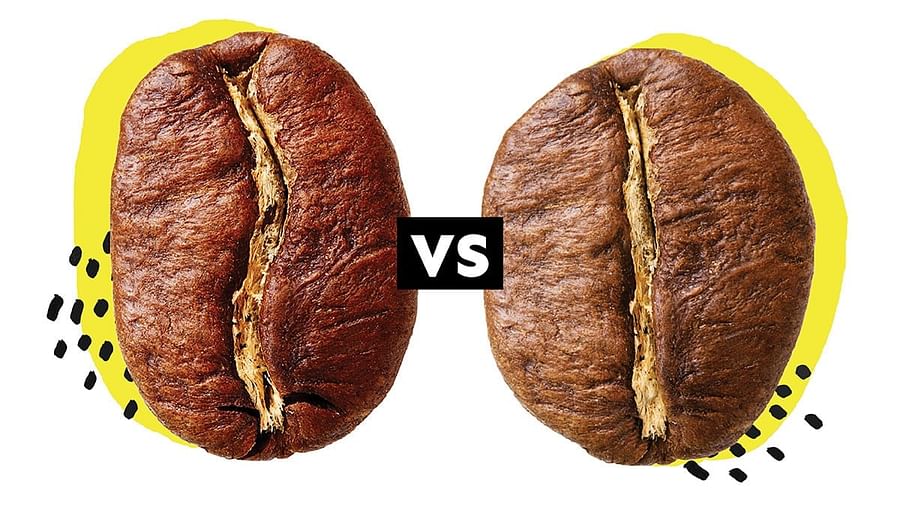
Now that we've discussed the different types of coffee beans, let's take a closer look at how these beans are sourced and processed. This video gives a deep insight into the journey of coffee beans and how their unique characteristics develop.
The video above gives a comprehensive overview of how coffee beans are sourced and processed. With this knowledge, you can better understand the unique characteristics of different coffee beans and how they influence the flavor of your cold brew. Now, let's move on to some frequently asked questions about coffee beans.
Now that we've learned how coffee beans are sourced and processed, let's dive into some common questions about selecting the right beans for your cold brew.
With these insights, you're now ready to explore our top recommended coffee beans for your cold brew journey. Remember, the best coffee is the one that tastes best to you, so don't be afraid to experiment!
🏆 The Bean Awards: Top Picks for Your Cold Brew Coffee
Unveiling our star-studded lineup of the best coffee beans for cold brew! This is the moment your taste buds have been waiting for, the grand revelation of the beans that will transform your cold brew coffee experience. Whether you're a seasoned cold brew aficionado or just starting your journey, choosing the right beans is the first step to creating that perfect cup.
But how do you navigate this vast coffee universe? How do you know which beans will give you that rich, smooth, and perfectly balanced cold brew? Fear not, we've done the legwork. We've tasted, tested, and meticulously curated a selection of beans that will deliver the cold brew coffee of your dreams. From the high-altitude farms of Ethiopia to the lush landscapes of Colombia, we've got you covered. Ready to dive in?
Remember, making the perfect cold brew coffee is not just about the beans. It's an art that combines the right beans with the perfect brewing methods and the ideal steeping time. So, let's embark on this flavor-filled journey together, shall we?
The Top Coffee Beans for Cold Brew
- Name: Lifeboost Medium Roast
Origin: Nicaragua
Flavor Notes: Chocolate, fruit, caramel
Why it's great for cold brew: This organic, single-origin bean is low in acidity, making it perfect for a smooth, balanced cold brew. - Name: Stone Street Coffee Cold Brew Reserve
Origin: Colombia
Flavor Notes: Sweet, nutty, cocoa
Why it's great for cold brew: Specifically roasted for cold brewing, these beans offer a bold, full-bodied flavor that's not bitter or acidic. - Name: Tiny Footprint Coffee - Organic Cold Brew Cold Press Elixir
Origin: Ethiopia and Central America
Flavor Notes: Floral, fruity, silky
Why it's great for cold brew: The world's first carbon-negative coffee, this blend of light and dark roasts provides a complex yet smooth flavor profile. - Name: Koffee Kult Dark Roast Coffee Beans
Origin: Colombia, Guatemala, and Sumatra
Flavor Notes: Cocoa, cinnamon, smooth finish
Why it's great for cold brew: These dark roast beans are bold and rich, yet incredibly smooth, making them ideal for a robust cold brew. - Name: Real Good Coffee Co Whole Bean Coffee
Origin: Central and South America
Flavor Notes: Nutty, chocolate, citrus
Why it's great for cold brew: This sustainably sourced, medium roast coffee is versatile and well-balanced, perfect for a refreshing cold brew.
If you're looking for a high-quality coffee bean option for your cold brew, consider the
from Wink Coffee. This large 2.2 pound bag of 100% Arabica coffee beans is sourced from the single origin Colombian Andes, ensuring a smooth, bold, and sweet flavor profile. It's the perfect choice for a refreshing and flavorful cold brew.
Bean Adventurer: Why Experimenting with Coffee Beans is a Must
Just as every snowflake is unique, each coffee bean carries its own distinct flavor profile, waiting to be unlocked and savored. Your journey to the perfect cold brew is not a one-bean-fits-all affair. It's a tantalizing dance of discovery, where every bean you try brings you one step closer to your personal cold brew nirvana. How do you choose the right bean? Well, that's where the fun begins!
From the fruity notes of Ethiopian beans to the nutty undertones of Brazilian ones, the world of coffee is a treasure trove of flavors. The best coffee beans for cold brew are often those that resonate with your palate. So, why not embark on a flavor adventure? Start by making your own Starbucks-style cold brew at home or try out some exciting cold brew recipes. As you experiment, you'll find that the magic of cold brew lies not just in the brewing, but in the beans themselves.
Find Your Perfect Cold Brew Bean
Discover the best coffee beans for your cold brew based on your flavor preferences. Answer the following questions to get personalized recommendations.
Learn more about 🔍 Find Your Perfect Cold Brew Bean or discover other Sky Cold Brew quizzes.
Master the Art of Cold Brew: Perfect Your Brewing Game
So, you've found your best coffee beans for cold brew, but that's merely half the battle won. It's like finding the ideal dance partner; you've nailed step one, but can you tango? The right bean is nothing without the perfect brewing rhythm. And trust me, cold brew coffee is one dance that's worth perfecting.
Did you know that the perfect cold brew coffee ratio and method can accentuate your bean's flavor profile, giving you a smoother, more robust taste? It's a world of difference, akin to the blissful chill of iced tea on a scorching afternoon; it's all about picking the right water and timing that brew just right.
So, are you ready to make your cold brew dance? To choreograph a coffee symphony that will make your taste buds sway? Check out our cold brew coffee guide and let's waltz our way to coffee perfection.
Now that you understand the importance of choosing the right beans and brewing methods, let's dive into the process of making your own cold brew coffee at home.
Mastering the Art of Cold Brew at Home

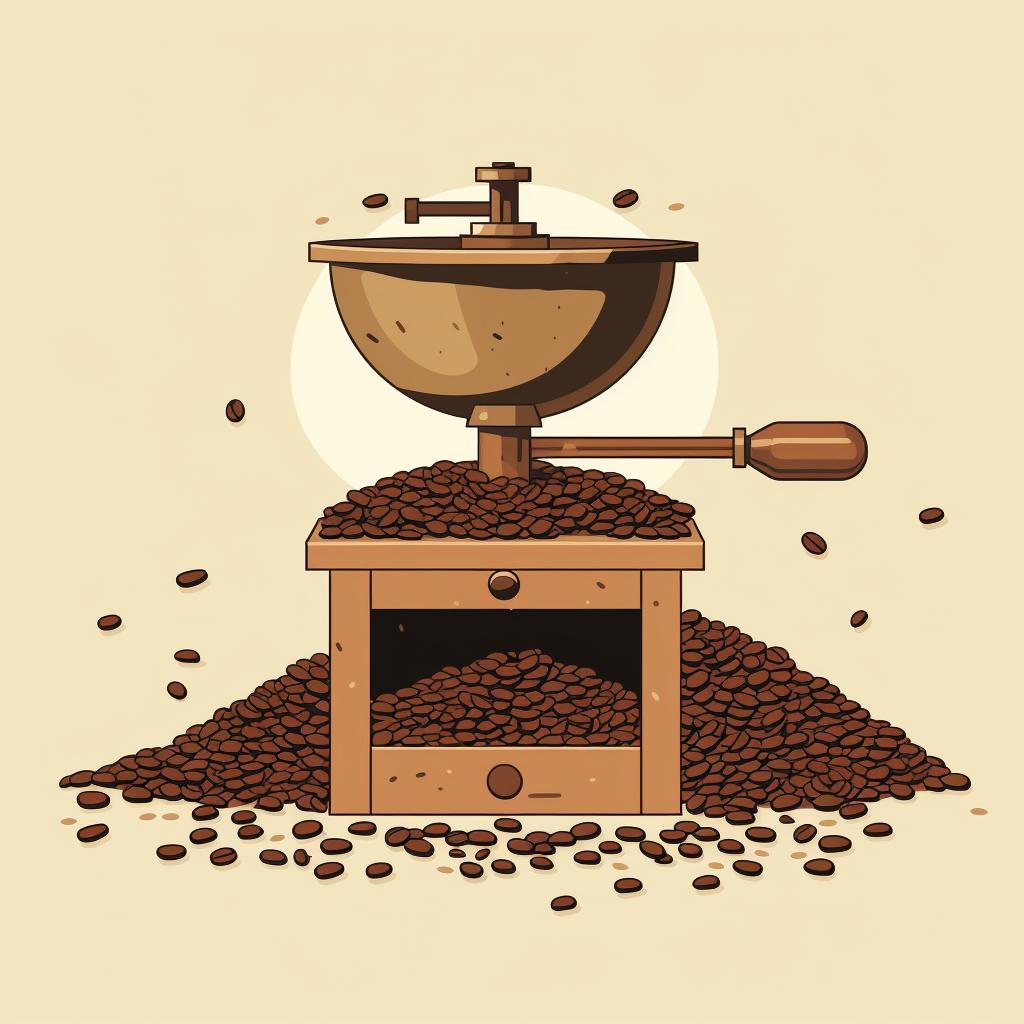



Learn more about Mastering the Art of Cold Brew at Home or discover other Sky Cold Brew guides.
With these steps, you're well on your way to creating a perfect cold brew. Remember, the key to a great cold brew is the right balance between the amount of coffee and water. Use our interactive calculator below to help you determine the perfect ratio.
Now that you have chosen the right coffee beans and mastered the brewing process, it's time to calculate the right amount of coffee and water you'll need. Use this calculator to find out:
Learn more about 🧮 Cold Brew Coffee Ratio Calculator or discover other Sky Cold Brew calculators.
Remember, the above values are just a starting point. Feel free to adjust the amounts to suit your taste.


No comments yet. Be the first to share your thoughts!