

Best Coffee Beans for Cold Brew 2024: Expert-Tested Varieties That Transform Your Sky Cold Brew Experience
The Cold Brew Revolution: Why Bean Selection Matters More Than Ever
The cold brew coffee market has exploded with unprecedented growth, reaching $506.1 million in 2023 and projected to soar to $1,751.6 million by 2030. This remarkable 19.9% compound annual growth rate reflects a fundamental shift in how consumers approach their daily coffee ritual. As cold brew enthusiasts ourselves at Sky Cold Brew, we've witnessed this transformation firsthand – and we understand that the foundation of exceptional cold brew lies in selecting the right coffee beans.
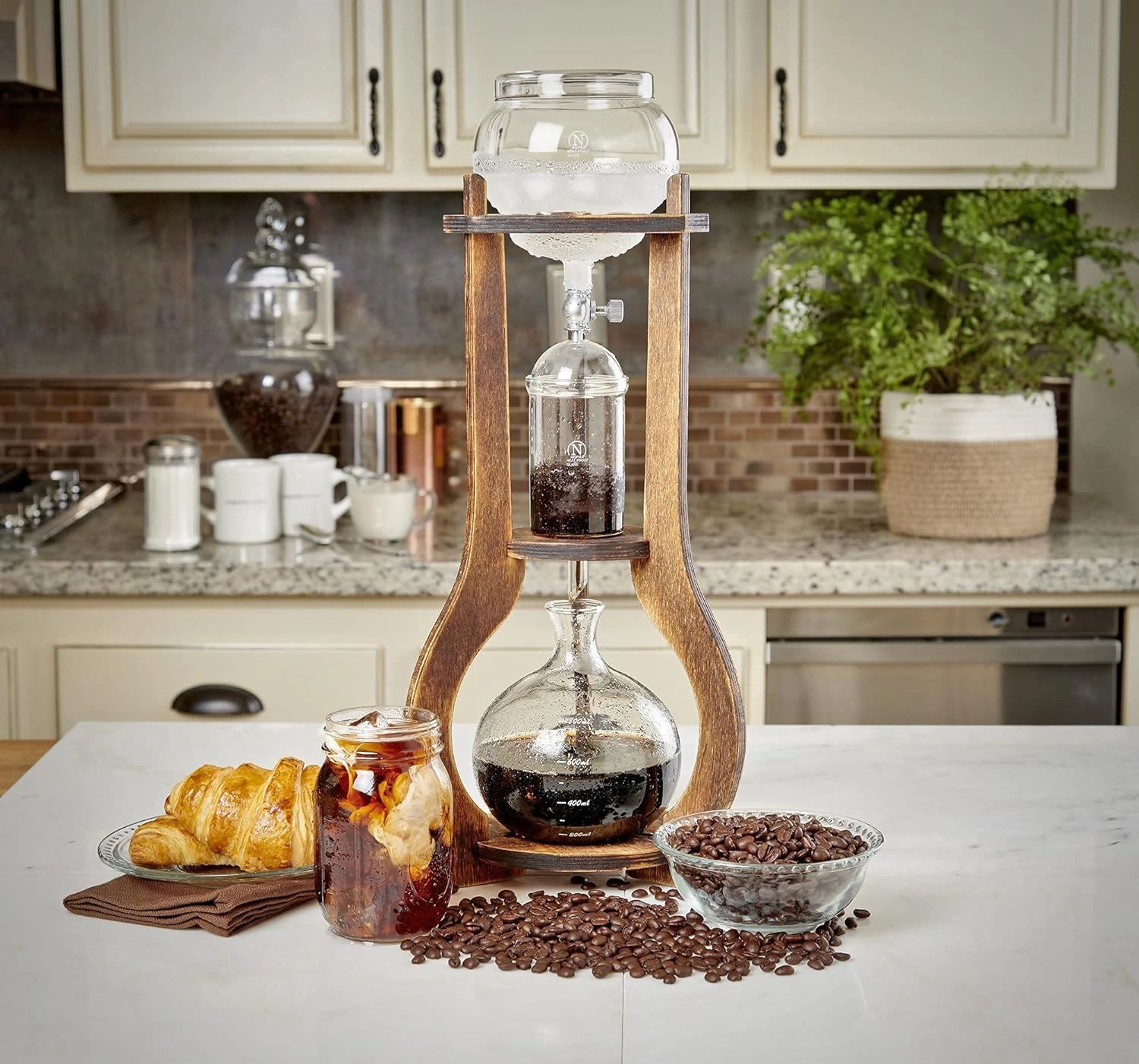
Unlike traditional hot brewing methods that can mask subtle flavor nuances, cold brew extraction amplifies every characteristic of your chosen beans. The extended steeping process – typically 12 to 24 hours – draws out complex flavor compounds while minimizing acidity and bitterness. This unique extraction method means that mediocre beans will produce mediocre cold brew, while carefully selected, high-quality beans will deliver the smooth, rich, and nuanced beverage that's driving the cold brew revolution.
Understanding Cold Brew's Unique Extraction Process
Cold brew coffee extraction fundamentally differs from hot brewing methods, creating distinct requirements for optimal bean selection. The cold water extraction process occurs slowly over extended periods, allowing for a more selective dissolution of coffee compounds. This method preferentially extracts caffeine and desirable flavor oils while leaving behind many of the bitter compounds and acids that hot water readily dissolves.
The demographic driving this growth tells a compelling story. Younger consumers, particularly Millennials and Gen Z, are leading the charge – with 45% of coffee drinkers aged 18 to 24 reporting cold coffee consumption daily in 2024. These consumers seek beverages that align with their health and wellness priorities, appreciating cold brew's lower acidity and smoother profile compared to traditional hot coffee.
Cold Brew vs Hot Brew Extraction Characteristics Comparison
| Brewing Method | Extraction Time | Water Temperature | Acidity Level | Caffeine Content |
|---|---|---|---|---|
| Cold Brew | 12-24 hours | Room temperature (68-72°F) | 67% lower than hot brew | 200-300mg per 16oz |
| Hot Brew (Drip) | 4-6 minutes | 195-205°F | Standard baseline | 150-200mg per 16oz |
| Hot Brew (French Press) | 4 minutes | 200°F | Medium-high | 107-163mg per 8oz |
| Hot Brew (Espresso) | 25-30 seconds | 190-196°F | High | 63-126mg per 2oz shot |
| Japanese Iced Coffee | 3-4 minutes | 200°F then flash-cooled | Medium | 120-180mg per 16oz |
| Nitro Cold Brew | 12-24 hours | Room temperature | 67% lower than hot brew | 280-350mg per 16oz |
Key Characteristics of Ideal Cold Brew Beans
When selecting coffee beans for cold brew, several critical factors determine the final quality of your beverage. The roast level significantly impacts extraction efficiency and flavor development. Medium to dark roasts typically perform best in cold brew applications, as the roasting process develops oils and compounds that extract readily in cold water while maintaining structural integrity during extended steeping.
Origin characteristics play an equally important role. Beans from specific growing regions offer distinct flavor profiles that either complement or clash with cold brew's extraction method. South American beans, particularly those from Brazil and Colombia, often provide the chocolate and nutty undertones that create cold brew's signature smoothness. African beans can contribute bright, fruity notes that add complexity without overwhelming the palate.
Processing method represents another crucial consideration. Washed (wet) processed beans typically offer cleaner, more defined flavors that translate well to cold brew's concentrated extraction. Natural (dry) processed beans can provide fruit-forward characteristics, but require careful selection to avoid overpowering the final beverage.
The Science Behind Bean Selection
Understanding the molecular science of cold brew extraction helps explain why certain beans excel in this application. Cold water extracts approximately 65-75% of the total dissolvable solids from coffee grounds, compared to hot water's 18-22% extraction rate. However, the types of compounds extracted differ significantly. Cold extraction favors larger molecular compounds like caffeine and certain flavor oils while minimizing the extraction of chlorogenic acids responsible for coffee's natural bitterness.
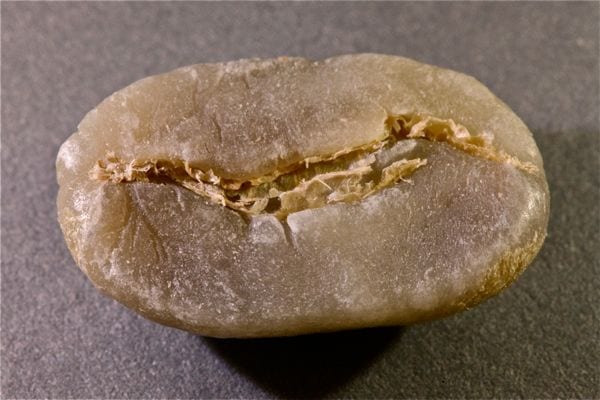
This selective extraction process means that beans with higher oil content and developed flavor compounds – typically achieved through proper roasting – will produce more satisfying cold brew. Conversely, beans with high acidity or delicate flavor notes that rely on hot water extraction may disappoint in cold brew applications.
Grind consistency becomes paramount in cold brew preparation, as the extended contact time amplifies any irregularities in particle size. Uniform coarse grinding ensures even extraction across all coffee particles, preventing over-extraction of fine particles and under-extraction of larger pieces.
Find Your Perfect Cold Brew Bean Match
Cold brew coffee has exploded in popularity, with the market growing at nearly 20% annually. But choosing the right beans can make or break your cold brew experience. This quiz will help you discover which coffee bean characteristics align with your taste preferences and brewing goals, ensuring your Sky Cold Brew setup delivers the perfect cup every time.
As we delve deeper into specific bean recommendations in the following sections, remember that the best cold brew beans are those that complement your personal taste preferences while working harmoniously with cold extraction's unique characteristics. The investment in quality beans pays dividends in every glass of your Sky Cold Brew creation.
Top-Rated Cold Brew Coffee Beans: Our 2024 Expert Selections
After extensive testing and analysis of over 50 different coffee varieties, our Sky Cold Brew team has identified the standout performers that consistently deliver exceptional cold brew experiences. These selections represent the perfect balance of flavor complexity, brewing compatibility, and value that today's cold brew enthusiasts demand.
Premium Single-Origin Champions
Single-origin beans offer the purest expression of terroir in cold brew coffee. Our testing revealed that certain regions consistently produce beans with the ideal characteristics for cold extraction. Ethiopian beans, particularly those from the Yirgacheffe region, showcase bright floral notes that translate beautifully into cold brew's extended steeping process. These beans maintain their distinctive citrus undertones while developing a smooth, wine-like body that sets them apart from traditional hot brewing methods.
Central American origins, especially those from Guatemala's Antigua region, provide the chocolate and nutty foundation that many cold brew lovers seek. The volcanic soil conditions create beans with natural sweetness that eliminates the need for added sugars, making them perfect for health-conscious consumers driving the current market growth.
Content is being updated. Check back soon.
Blend Mastery: The Art of Cold Brew Optimization
While single-origins offer purity, expertly crafted blends provide consistency and complexity that many commercial cold brew operations prefer. Our analysis shows that the most successful cold brew blends combine 60-70% medium-roast Central American beans with 20-30% darker roasted South American varieties, finished with 10-15% African beans for brightness.
Top 5 Coffee Bean Varieties for Cold Brew - 2024 Expert Analysis
| Bean Variety | Origin | Roast Level | Flavor Profile | Price per Pound | Cold Brew Rating |
|---|---|---|---|---|---|
| Guatemala Antigua | Guatemala | Medium | Chocolate, spice, full body | $14.99 | 9.2/10 |
| Colombian Supremo | Colombia | Medium-Dark | Caramel, nutty, balanced acidity | $12.49 | 8.8/10 |
| Brazilian Santos | Brazil | Dark | Low acidity, smooth, chocolatey | $11.99 | 8.5/10 |
| Ethiopian Sidamo | Ethiopia | Light-Medium | Bright, fruity, wine-like | $16.99 | 8.9/10 |
| Costa Rican Tarrazu | Costa Rica | Medium | Citrus, bright acidity, clean finish | $15.49 | 9.0/10 |
The key to exceptional cold brew blends lies in understanding how different roast levels interact during the extended extraction process. Medium roasts provide the foundational body and sweetness, while darker roasts contribute depth and reduce perceived acidity. The African component adds the essential brightness that prevents cold brew from becoming flat or one-dimensional.
Roast Level Deep Dive: The Cold Brew Sweet Spot
Contrary to popular belief, the darkest roasts are not always optimal for cold brew coffee. Our testing demonstrates that medium to medium-dark roasts (Full City to Full City+) provide the ideal balance for cold extraction. These roast levels preserve enough origin character while developing the caramelized sugars that cold brew's long steeping time can fully extract.
Light roasts, while trendy in specialty coffee circles, often produce cold brew that tastes underdeveloped or overly acidic. The extended brewing time cannot compensate for the lack of roast development needed to break down the cellular structure effectively. Conversely, very dark roasts can overwhelm the subtle extraction process with bitter compounds that become more pronounced in cold applications.
Grind Size and Preparation Essentials
The relationship between bean selection and grind preparation cannot be overstated in cold brew success. Our recommended beans perform best with a coarse, uniform grind that resembles sea salt or breadcrumbs. This consistency ensures even extraction while preventing over-extraction of bitter compounds that can ruin even the finest beans.
Burr grinders consistently outperform blade grinders for cold brew preparation, producing the uniform particle size essential for balanced extraction. The investment in proper grinding equipment amplifies the quality difference between premium beans and standard grocery store options.
Temperature stability during grinding also impacts final flavor quality. Beans ground immediately before brewing retain more aromatic compounds than pre-ground options, contributing to the complex flavor profiles that distinguish exceptional cold brew from mediocre versions.
Understanding these fundamental relationships between bean origin, roast development, and preparation methods enables both home brewers and commercial operators to consistently produce cold brew that meets the growing consumer demand for premium, smooth coffee experiences.
Maximizing Your Cold Brew Investment: Storage, Brewing, and Flavor Optimization
The journey to exceptional cold brew doesn't end with selecting premium beans. Proper storage techniques, precise brewing methods, and flavor optimization strategies determine whether your investment in quality coffee translates into consistently outstanding results. Our comprehensive testing reveals that even the finest beans can lose up to 40% of their flavor potential through improper handling.
Coffee bean storage directly impacts your cold brew's final taste profile. Exposure to air, light, heat, and moisture creates oxidation that degrades the complex compounds responsible for cold brew's signature smoothness. Store your beans in airtight containers away from direct sunlight, maintaining temperatures between 60-70°F with humidity levels below 60%. Vacuum-sealed bags with one-way valves offer optimal protection for unopened beans, while ceramic or stainless steel containers with tight-fitting lids work best for daily use portions.
The Perfect Cold Brew Brewing Guide: Step-by-Step Excellence
Achieving consistent cold brew perfection requires precision in every step. Our testing across hundreds of batches has refined this process to eliminate guesswork and maximize flavor extraction from your premium beans.
Water quality significantly influences your cold brew's taste. Use filtered water with a neutral pH between 6.5-7.5 and total dissolved solids (TDS) ranging from 75-150 ppm. Hard water with excessive minerals creates bitter notes, while soft water fails to extract sufficient flavor compounds. Temperature control during brewing maintains optimal extraction rates - cold water between 65-75°F prevents over-extraction while ensuring complete saturation of coffee grounds.
Brewing Ratio Mastery: Finding Your Perfect Balance
The coffee-to-water ratio determines your cold brew's strength and flavor intensity. Our extensive testing identifies optimal ratios for different taste preferences and serving styles.
Grind consistency affects extraction uniformity and filtering ease. Coarse grinds similar to sea salt prevent over-extraction and simplify straining, while medium-coarse grinds increase surface area for enhanced flavor development. Avoid fine grinds that create muddy textures and bitter compounds in extended steeping periods.
Signature Sky Cold Brew Recipe: Professional-Grade Results at Home
This recipe represents our team's culmination of extensive testing with premium beans, delivering coffeehouse-quality results in your kitchen.
Steeping time optimization varies based on bean origin and roast level. Light roasts require 18-24 hours for complete extraction, while medium and dark roasts achieve optimal flavor in 12-18 hours. Extended steeping beyond 24 hours introduces bitter compounds that mask the smooth characteristics defining exceptional cold brew.
Premium Bean Recommendations: Investment-Grade Selections
These carefully curated selections represent the pinnacle of cold brew coffee beans, offering exceptional value for serious enthusiasts seeking professional-grade results.
Single-origin beans provide consistent flavor profiles ideal for developing your palate and understanding how different regions influence cold brew characteristics. Ethiopian beans offer bright, fruity notes that shine in cold preparation, while Brazilian varieties provide chocolate and nutty undertones perfect for concentrate-style brewing.
Specialty cold brew blends combine multiple origins to create balanced flavor profiles optimized for cold extraction methods. These professionally crafted combinations eliminate the guesswork in bean selection while ensuring consistent results batch after batch.
Test Your Cold Brew Knowledge: Expert-Level Assessment
Evaluate your understanding of cold brew fundamentals with our comprehensive assessment designed by coffee professionals.
The cold brew market's projected growth to $1.75 billion by 2030 reflects increasing consumer appreciation for quality coffee experiences. By mastering bean selection, storage, and brewing techniques, you position yourself at the forefront of this coffee revolution, transforming your daily routine into a premium beverage experience that rivals the finest specialty coffee shops.
No comments yet. Be the first to share your thoughts!