

Why cold brew tastes smoother
The difference between hot and cold coffee comes down to chemistry. Hot water is an aggressive solvent. It pulls out every soluble compound in the bean, including the oils and acids that give coffee its bright, complex notes but also its sharp bite. When you brew hot, you get that full spectrum of flavor, including the compounds that can irritate sensitive stomachs.
Cold water is much more selective. It extracts the larger, heavier molecules—primarily the sugars and aromatic oils that create body and sweetness—while leaving behind many of the acidic compounds that cause bitterness. This natural filtration process results in a concentrate that is inherently smoother and less acidic.
This chemical shift is why Sky Cold Brew feels so different on the palate. The reduced acidity doesn't mean the coffee is weak; it means the flavor profile is rounded and mellow. You are tasting the coffee's natural sweetness and chocolate notes without the harsh edge that often accompanies hot-brewed methods. This makes it easier to drink black or with just a splash of milk, without the need for heavy sweeteners to mask the bitterness.
Choosing the best beans for Sky Cold Brew
The foundation of a smooth Sky Cold Brew starts with selecting the right beans. Because cold water extracts flavors more slowly and gently than hot water, the coffee you choose must be able to stand up to this unique brewing method. The goal is a cup that is naturally sweet and low in acidity, avoiding the sour or grassy notes that often plague poorly made cold brew.
Roast Level: The Flavor Foundation
While personal preference plays a role, medium to dark roasts are generally the safest bet for achieving that classic, rich cold brew profile. Darker beans have been roasted longer, which breaks down more of the plant's natural acids and sugars. This results in a smoother, chocolatey, or nutty flavor that translates beautifully to a cold, slow-steeped drink. Light roasts can work, but they require careful attention to grind size and steep time to avoid tasting sharp or tea-like.
Bean Origin: Finding the Right Profile
The region where the coffee is grown significantly impacts its taste. Here is how different origins typically perform in a Sky Cold Brew:
| Origin | Flavor Profile | Best For |
|---|---|---|
| Latin America | Balanced, nutty, chocolate | Classic, versatile cold brew |
| Africa (Ethiopia/Kenya) | Bright, fruity, floral | Lighter, tea-like cold brew |
| Asia/Pacific | Earthy, spicy, heavy body | Bold, intense cold brew |
Grind Size Matters
Regardless of the bean you choose, the grind must be coarse. Think of it like sea salt. If the grind is too fine, the cold water will over-extract the beans, leading to a bitter, muddy cup. If it is too coarse, the brew will taste weak and watery. A consistent coarse grind ensures that the water extracts the right amount of flavor without pulling out the harsh tannins.
The ideal Sky Cold Brew ratio
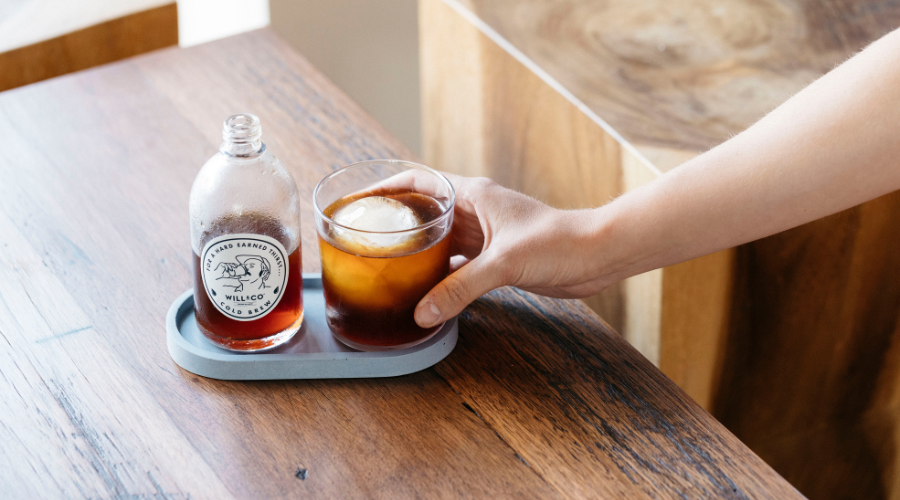
Getting the Sky Cold Brew ratio right is the single most important step in making smooth, high-quality coffee at home. Unlike hot brewing, where water passes through grounds quickly, cold brew relies on time and saturation. This means the proportion of coffee to water determines whether you end up with a drinkable beverage or an overpowering concentrate that needs heavy dilution.
Understanding the 1:4 to 1:8 Range
The standard range for Sky Cold Brew concentrate sits between a 1:4 and 1:8 coffee-to-water ratio. This means for every one part of coffee grounds, you use four to eight parts of water. A 1:4 ratio produces a very strong concentrate, perfect for mixing with milk or creamers later. A 1:8 ratio yields a lighter concentrate that can be diluted less or served over ice with minimal water addition.
Choosing Your Strength
If you prefer a bold, intense coffee experience, start with a 1:5 ratio. This provides a rich flavor profile that holds up well against ice. For those who like their Sky Cold Brew smoother and closer to a ready-to-drink iced coffee, a 1:7 or 1:8 ratio is ideal. This method reduces the need for precise dilution measurements later, making your morning routine faster.
Measuring for Consistency
Use a kitchen scale for the best results. Measuring by weight rather than volume ensures accuracy, as coffee grounds can vary in density depending on the grind size. A consistent ratio guarantees that every batch tastes the same, allowing you to dial in your preferred strength without guesswork.
How to Make Sky Cold Brew
Making Sky Cold Brew is less about complex equipment and more about patience and ratio. The process relies on a simple immersion method: coarsely ground coffee meets cold water, steeping for a long duration to extract sweetness without the acidity of hot brewing. This method transforms ordinary beans into a smooth, concentrated syrup that you can dilute to your liking.
Follow these steps to brew your first batch.

Use a burr grinder to achieve a coarse, sea-salt-like texture. Fine grounds will over-extract and create sediment, making your Sky Cold Brew muddy and bitter. Consistency is key to a clean finish.
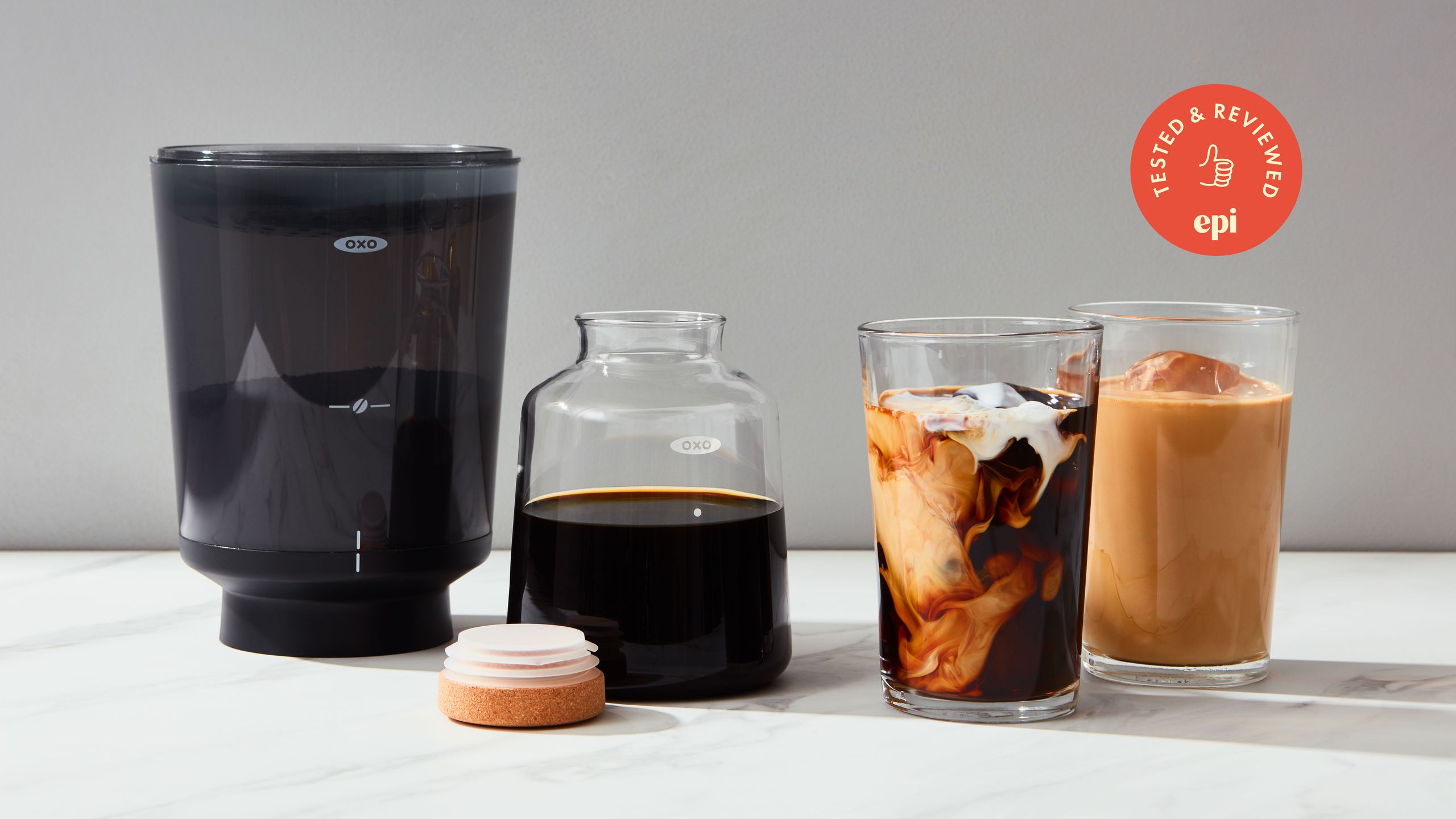
Add your grounds to a large vessel. Pour room-temperature or cold filtered water over the top. Stir gently to ensure all grounds are saturated. This saturation prevents dry pockets that lead to uneven flavor extraction.
Cover the vessel and place it in the refrigerator. The cold temperature slows the extraction, allowing sugars and chocolate notes to develop without pulling out harsh tannins. Let it sit undisturbed for at least 12 hours, up to 24 for a stronger concentrate.

Line a fine-mesh sieve with a cheesecloth or a dedicated coffee filter. Pour the mixture slowly through the filter into a clean container. This removes the grounds, leaving behind a silky, sediment-free concentrate.

Your Sky Cold Brew is now a concentrate. Mix one part concentrate with one part water or milk over ice. Adjust the ratio to taste. Store any remaining concentrate in the fridge for up to two weeks.
Storing and Serving Sky Cold Brew
Once your Sky Cold Brew concentrate is ready, proper storage is the final step in preserving its smooth, low-acid profile. Transfer the liquid into a clean, airtight glass jar or bottle and refrigerate immediately. When kept cold, Sky Cold Brew maintains its best flavor for up to two weeks. While it remains safe to drink longer, the nuanced notes will fade, and the texture may change as the oils settle.
Serving Sky Cold Brew is all about balance. Because the concentrate is potent, it requires dilution to reach a drinkable strength. A standard starting point is a 1:1 ratio of concentrate to water or milk, but this is entirely adjustable. Taste the mixture before adding more liquid. If you prefer a stronger coffee kick, reduce the water; for a milder, tea-like experience, increase the dilution.
For the classic iced experience, fill a glass with fresh ice cubes. Pour your diluted Sky Cold Brew over the ice, leaving a little room at the top for cream or milk if desired. The cold ice further chills the brew and slightly dilutes it as it melts, creating a refreshing, smooth finish. Garnish with a twist of orange peel or a few coffee beans if you wish to highlight the aroma.
No comments yet. Be the first to share your thoughts!