

Why sky cold brew tastes different
Sky cold brew tastes different because cold water extracts coffee chemistry differently than hot water. Hot water aggressively pulls out acids and bitter compounds. Cold water is patient, extracting slowly to favor heavier, sweeter molecules while leaving sharp acidity behind.
This results in a smoother, less acidic flavor profile. You lose bright fruity or floral notes but gain a deep, chocolatey body. It is not merely "iced coffee"; it is a distinct beverage with a rich, clean canvas that stands up to milk without losing character.
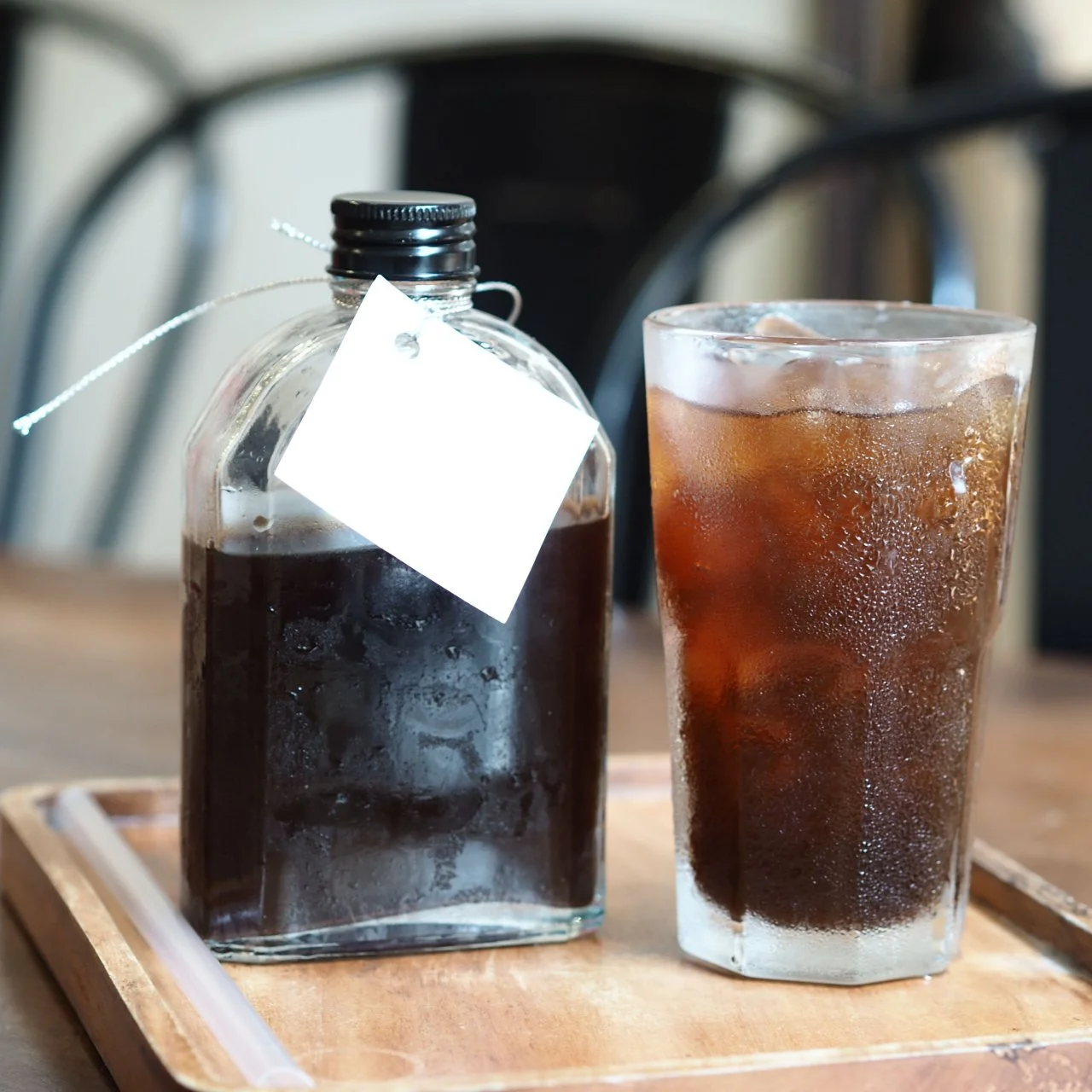
Choosing beans for Sky Cold Brew
The foundation of any good cold brew is the bean. Because cold water extracts flavors differently, the wrong choice leads to a flat, sour, or overly bitter cup. Selecting the right bean and roast ensures a smooth, sweet result.
Arabica vs. Robusta
Most specialty cold brews rely on 100% Arabica beans. These offer complex notes—chocolate, fruit, and nuts—that hold up well during long extractions. Robusta beans contain nearly double the caffeine and more chlorogenic acids, creating a harsh, rubbery bitterness when brewed cold. Unless you seek a high-caffeine kick, stick with Arabica for a cleaner taste.
Roast Level Matters
Roast level determines body and intensity. Light roasts retain bright, floral notes, but these can taste thin or grassy in cold brew. Medium roasts provide a balanced profile with moderate sweetness. Dark roasts are the classic standard; their bold, chocolatey, and smoky notes stand up to dilution from ice or milk, delivering a rich, full-bodied experience.
Quick Comparison
Use this table to decide which bean profile fits your taste preferences.
| Bean / Roast | Flavor Profile | Body | Best For |
|---|---|---|---|
| Arabica / Light | Fruity, floral, acidic | Light | Black, fruity iced tea style |
| Arabica / Medium | Balanced, sweet, nutty | Medium | Everyday drinking, with milk |
| Arabica / Dark | Chocolate, smoky, bold | Full | Classic cold brew, with ice |
| Robusta / Dark | Bitter, earthy, intense | Heavy | High-caffeine shots, espresso mixes |

Sky Cold Brew ratio and grind
The difference between a smooth, chocolatey cold brew and a bitter, muddy cup comes down to two variables: how much coffee you use and how you grind it. Treat the ratio like a dial for strength, and the grind like a filter to keep sludge out.
The coffee-to-water ratio
Your ratio determines intensity. Most recipes fall into two categories: concentrate and ready-to-drink. A 1:4 ratio produces a strong concentrate diluted with water or milk. A 1:8 ratio yields ready-to-drink strength requiring no adjustment.
Start with 1:8 for a balanced cup. If you prefer a bold, espresso-like base for lattes, stick to 1:4. Measure by weight for consistency, as volume varies wildly with bean densities.
The required coarse grind
Grind size is non-negotiable. You need a coarse, chunky grind, similar to sea salt. Fine grounds dissolve too easily in cold water, turning your brew into a thick, gritty sludge that is impossible to strain cleanly.

A coarse grind allows water to flow through the coffee bed without over-extracting bitter compounds. If your pour-over grind is too fine for cold brew, it is definitely too fine. Aim for distinct, uneven chunks rather than a uniform powder. This texture ensures a clean, sweet extraction without the astringent bite of over-extracted fine grounds.
Sky Cold Brew: Step-by-Step Brewing Method
Making Sky Cold Brew at home is less about complex chemistry and more about patience and proper filtration. The goal is to extract smooth, chocolatey notes without pulling out bitter tannins. By controlling steep time and using a fine filter, you create a versatile concentrate.
Follow this linear workflow to ensure a clean, sediment-free result.

Add coarse-ground coffee to a large jar or pitcher. Pour in cold, filtered water. For a standard Sky Cold Brew concentrate, use a 1:4 ratio by weight (e.g., 1 cup of coffee to 4 cups of water). Stir gently but thoroughly to ensure every grain is saturated. Dry pockets of coffee will not extract properly, leading to a weak or uneven flavor profile.
Cover the container and place it in the refrigerator. Cold temperature slows extraction, preventing bitterness. Steep for at least 12 hours, but up to 24 hours is ideal for a full-bodied concentrate. Less than 12 hours may taste watery; beyond 24 hours increases the risk of over-extraction and harshness.
Separate the liquid from the grounds. Line a fine-mesh sieve with a cheesecloth, nut milk bag, or paper coffee filter. Pour the mixture slowly through the filter into a clean vessel. This removes sediment that causes grittiness. Watch a demonstration if unsure about filtering techniques to avoid tearing the filter or rushing the pour.
Transfer the finished concentrate into a sealed glass bottle or jar. It keeps in the refrigerator for up to two weeks. Dilute the concentrate with an equal part of cold water or milk, depending on your preferred strength. Do not skip dilution unless you enjoy intensely strong coffee.
Serving Sky Cold Brew
Think of Sky Cold Brew concentrate as a flavor anchor rather than a ready-to-drink beverage. It is intentionally brewed at a higher strength to preserve shelf life and allow for customization. Serving it straight can be overwhelming, so dilution is the first step.
Dilution Ratios
Start with a 1:1 ratio of concentrate to water or milk. This provides balanced intensity that highlights natural notes without bitterness. For a milder cup, adjust to 1:1.5. Taste as you go, as ideal strength depends on the roast profile and personal preference.
Pairing Suggestions
Sky Cold Brew pairs well with creamy textures and light sweetness. Try adding oat milk for a nutty undertone or a splash of vanilla syrup for a dessert-like experience. It also complements citrus notes, making it a versatile base for summer drinks.

Serving Checklist
-
Ice cubes
-
Milk alternative (oat, almond, dairy)
-
Sweetener (simple syrup, honey)
-
Garnish (orange twist, cinnamon stick)
Store and serve your cold brew properly
Cold brew concentrate behaves differently than hot-brewed coffee due to its acidity and extraction method. It stays fresh longer, but only if kept cold and sealed. Treat your brew like a perishable ingredient rather than a shelf-stable pantry item.
Transfer brewed coffee into an airtight glass container immediately after straining. Glass is ideal because it doesn’t absorb odors or react with coffee oils. Keep the container in the main body of your refrigerator, not in the door, where temperatures fluctuate.
How long does cold brew last?
When stored correctly in the fridge, cold brew concentrate stays fresh for up to two weeks. After that, flavor flattens, and oxidation turns bright notes dull. If you notice a sour or stale taste, brew a fresh batch.
If you dilute concentrate with water or milk, consume it within 24 hours. Dairy and water introduce variables that spoil faster than pure coffee. For best results, store concentrate undiluted and mix your serving just before drinking.
Fix common sky cold brew problems
Even with careful ratios, sky cold brew can turn out bitter, watery, or gritty. These issues usually stem from extraction time or grind size. Here is how to correct the most frequent mistakes.
Bitter or harsh flavor
Bitterness almost always means the coffee extracted too long or too aggressively. If your brew tastes like burnt toast or medicine, you likely used water that was too warm or steeped grounds for more than 24 hours. Cold water extracts fewer acidic compounds but still pulls out bitter tannins if left alone too long.
To fix this, reduce steeping time to 12–18 hours. Ensure water is cold or room temperature, never warm. If using a fine grind, switch to coarse immediately. Coarse grounds create less surface area, slowing extraction and keeping flavor smooth.
Weak or watery taste
A watery brew lacks the bold character of good sky cold brew. This happens when the coffee-to-water ratio is too low or the grind is too coarse for the method. If the liquid looks pale and tastes thin, you haven't pulled enough flavor.
Increase your coffee ratio. If using a 1:8 concentrate ratio, try 1:6 for a stronger punch. Check grind consistency; if grounds look like table salt, they are likely too fine for a long steep, but if they look like sugar, they might be too coarse for a quick brew. Adjusting the ratio is the fastest way to restore body.
Sediment or grit
Sediment in the final cup indicates a failed filtration step. Even with a fine mesh filter, tiny coffee particles can slip through if the filter is clogged or damaged. Gritty texture ruins the smooth mouthfeel cold brew is known for.
To prevent this, use a double-filter system: a metal mesh filter followed by a paper filter. This traps the finest particles without absorbing too much flavor. If you taste grit, strain the brew again. Never skip the final filtration step, even if the brew looks clear; invisible fines are often the source of silt.
Sky cold brew common: what to check next
Here are the most frequent questions about brewing and serving cold brew, based on common recipes and product guidelines.
No comments yet. Be the first to share your thoughts!