

Cold Brew's Golden Age: Bean Choices in 2026
Cold brew has moved beyond a niche trend to become a coffee shop staple. The quality has improved dramatically, largely due to better bean selection. We're in a golden age for cold brew, thanks to a deeper understanding of extraction and more access to exceptional coffee.
The focus now is on making good cold coffee, not just cold coffee. This means paying close attention to the origin, processing, and roast profile of the beans. Single-origin coffees are gaining prominence for their unique flavor characteristics that shine in cold brew, offering a more nuanced cup that consumers are demanding.
The coffee industry, like agriculture, faces climate change challenges impacting growing regions and crop yields. Sustainable sourcing is therefore more important than ever. Producers are focusing on resilient varietals and environmentally friendly farming practices. Finding beans that are delicious and responsibly sourced is a key consideration for informed coffee drinkers.
Decoding Single-Origin: What Does It Mean?
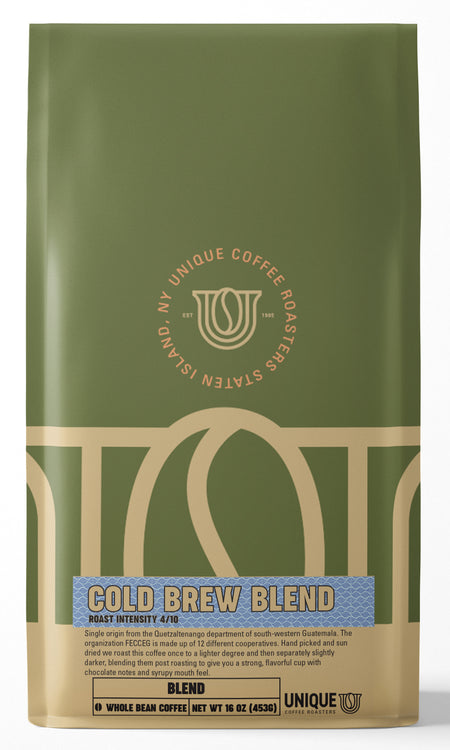
The term 'single-origin' is often used, but understanding its meaning is helpful. Single-origin coffee comes from a single country, region, farm, or cooperative. It highlights the unique terroir – the climate, soil, and altitude – that influences the beans' flavor.
Choosing single-origin coffees offers benefits, including traceability. You know exactly where your beans come from, allowing for a more direct connection to the producer and a greater understanding of the coffee’s story. You also experience distinct flavor profiles specific to that origin. Ethiopian Yirgacheffe, for example, is known for floral and citrus notes, while Sumatran Mandheling often exhibits earthy and chocolatey flavors.
However, single-origin isn't automatically 'better.' Consistency can be an issue. Variations in weather or farming practices can lead to flavor differences from batch to batch. A well-blended coffee can offer more consistency, and a master blender can create a flavor profile that surpasses what a single origin can achieve. Blends have a place, especially if you prioritize consistency.
The Top 15 Cold Brew Beans of 2026
Here are 15 single-origin coffees that will shine in your cold brew. Prices are approximate and based on a 12oz bag, as of late 2026. Availability can vary, so check specialty coffee retailers.
- Ethiopia Yirgacheffe Kochere: ($20-28) Known for its bright acidity, floral aroma, and notes of lemon and bergamot. The delicate flavors are preserved beautifully in cold brew, creating a refreshing and complex cup. Amazon link:
- Sumatra Mandheling: ($18-25) Earthy, full-bodied, and with hints of dark chocolate and spice. This coffee makes a rich and satisfying cold brew that’s perfect for those who prefer a bolder flavor. Amazon link:
- Kenya AA: ($22-30) Bright, fruity, and with a wine-like acidity. Expect notes of blackcurrant and tomato. It’s a vibrant coffee that translates surprisingly well to cold brew, offering a unique and complex flavor profile. Amazon link:
- Colombia Supremo: ($15-22) A classic for a reason. Balanced, with notes of caramel, nuts, and a clean finish. It’s a versatile coffee that works well in almost any brewing method, including cold brew. Amazon link:
- Guatemala Antigua: ($18-26) Chocolatey, with a smoky aroma and a full body. This coffee creates a smooth and rich cold brew that's perfect for those who enjoy a more decadent cup. Amazon link:
- Costa Rica Tarrazu: ($20-28) Bright and clean, with notes of citrus and honey. It’s a well-balanced coffee that makes a refreshing and flavorful cold brew. Amazon link:
- Brazil Santos: ($12-18) Nutty and chocolatey, with a low acidity. A reliable and affordable option for everyday cold brew. Amazon link:
- Honduras Copán: ($16-24) Caramel and almond notes, with a medium body and a clean finish. This coffee provides a wonderfully smooth cold brew. Amazon link:
- Peru Norte: ($17-25) Delicate floral aromas, combined with subtle citrus notes and a light body. Makes a very approachable cold brew. Amazon link:
- Mexico Chiapas: ($14-20) Mild acidity and a sweet, nutty flavor. Excellent for those who prefer a less intense cold brew. Amazon link:
- Papua New Guinea: ($25-35) A unique coffee with a bright acidity and notes of tropical fruit and chocolate. Creates a complex and flavorful cold brew. Amazon link:
- Rwanda: ($22-32) Often described as having black tea-like qualities, with notes of citrus and floral aromas. A bright and refreshing cold brew. Amazon link:
- Nicaragua: ($16-24) Well-balanced with notes of caramel, chocolate, and a hint of citrus. A consistently good choice for cold brew. Amazon link:
- Burundi: ($20-30) Bright acidity and complex flavors of berries, citrus, and chocolate. Offers a vibrant and flavorful cold brew experience. Amazon link:
- Bolivia: ($18-26) A lesser-known origin, but offering a unique profile of chocolate, nut, and subtle fruit tones. A surprisingly good choice for a smooth cold brew. Amazon link:
Featured Products

Bold, smooth vanilla flavor · Ground coffee for convenience · Fair Trade Certified
This ground coffee offers a rich vanilla flavor and a bold kick, perfect for a convenient and flavorful cold brew.

Single-origin Yirgacheffe beans · USDA Organic certification · Whole bean for freshness
Sourced from the renowned Yirgacheffe region, these USDA Organic whole beans deliver bright, floral notes ideal for a nuanced cold brew.
Single-origin Yirgacheffe beans · USDA Organic certification · Whole bean for freshness
Sourced from the renowned Yirgacheffe region, these USDA Organic whole beans deliver bright, floral notes ideal for a nuanced cold brew.

Medium roast, balanced flavor profile · Certified Organic and Fairtrade · Large 2.2-pound bag
This balanced medium roast offers a smooth and satisfying cold brew experience, with the added benefit of organic and fairtrade certifications.
As an Amazon Associate I earn from qualifying purchases. Prices may vary.
Flavor Profiles: A Quick Guide
Understanding coffee flavor descriptions is helpful. Here's a breakdown of common terms and their taste implications.
Chocolate: This doesn’t always mean a milk chocolate sweetness. It can range from dark chocolate bitterness to a creamy, cocoa-like flavor. It often indicates a coffee with a full body and low acidity. Caramel: Suggests a sweet, buttery flavor, often found in coffees from Central and South America. Fruity: This can be anything from bright citrus notes to deeper berry flavors. Coffees from East Africa are often known for their fruity complexity. Floral: Delicate aromas reminiscent of flowers like jasmine or honeysuckle. Common in Ethiopian coffees. Nutty: A subtle, roasted nut flavor. Often found in Indonesian coffees.
Roast level also plays a significant role. Lighter roasts tend to highlight the origin characteristics of the bean, preserving brighter acidity and more delicate flavors. Darker roasts develop more body and bitterness, often with notes of chocolate and caramel. For cold brew, I generally recommend a medium-dark roast – it provides a good balance of flavor and body without being overly bitter.
- Light Roast: Bright, acidic, floral, fruity.
- Medium Roast: Balanced, caramel, nutty, chocolatey.
- Dark Roast: Bold, smoky, chocolatey, bitter.
Flavor Profiles & Origins for Exceptional Cold Brew
| Flavor Note | Likely Origin Region | Typical Roast Level | Example Bean (from Top 15 - 2026) | Common Characteristics |
|---|---|---|---|---|
| Chocolate & Nutty | South America (Brazil, Colombia) | Medium-Dark | Huila, Colombia | Full-bodied, low acidity, often with caramel sweetness. |
| Bright Citrus & Floral | East Africa (Ethiopia, Kenya) | Light-Medium | Yirgacheffe, Ethiopia | High acidity, complex aromatics, delicate body. |
| Berry & Winey | Ethiopia (Sidamo, Guji) | Light-Medium | Guji, Ethiopia | Fruity, vibrant, often with a wine-like finish. |
| Dark Chocolate & Spice | Sumatra (Indonesia) | Dark | Mandheling, Sumatra | Earthy, full-bodied, low acidity, rustic character. |
| Stone Fruit & Caramel | Central America (Guatemala, Costa Rica) | Medium | Guatemala Antigua | Balanced, sweet, with notes of peach or apricot. |
| Brown Sugar & Toffee | Papua New Guinea | Medium-Dark | Sigri, Papua New Guinea | Smooth, rich, with a lingering sweetness. |
| Black Tea & Malt | India (Monsooned Malabar) | Medium | Monsooned Malabar, India | Unique, earthy, with a distinctive savory quality. |
Illustrative comparison based on the article research brief. Verify current pricing, limits, and product details in the official docs before relying on it.
Brewing Ratios & Grind Size: Dialing It In
Even the best beans will disappoint if your brewing technique is off. Grind size and coffee-to-water ratio are important. For cold brew, use a coarse grind – similar to what you’d use for a French press. This prevents over-extraction and a muddy flavor.
A good starting point for your coffee-to-water ratio is 1:8 (one part coffee to eight parts water). Adjust
Standout Beans: Worth a Deeper Look
From the list above, a few beans really stood out to me for their unique qualities and potential for exceptional cold brew. These are coffees that I think deserve a little extra attention.
- Ethiopia Yirgacheffe Kochere: This coffee’s story is fascinating. Grown in the Kochere region, known for its high altitudes and ideal coffee-growing conditions, these beans undergo a washed process, resulting in exceptional clarity and brightness. The flavor profile is incredibly complex – think vibrant lemon zest, delicate jasmine blossoms, and a lingering sweetness. In cold brew, the acidity is softened, creating a remarkably smooth and refreshing experience. It’s a bit pricier, typically around $25 for a 12oz bag, but the quality is undeniable.
- Papua New Guinea: Often overlooked, Papua New Guinea coffees offer a unique and captivating flavor profile. The beans are grown in the Highlands region, benefiting from volcanic soil and a cool, humid climate. What sets this coffee apart is its unusual combination of tropical fruit notes – think mango and pineapple – alongside a rich chocolate undertone. The washed processing method contributes to its clean and balanced flavor. Cold brewing amplifies the fruitiness while mellowing out any potential bitterness, resulting in a truly unforgettable cup. Expect to pay around $30-35 for a 12oz bag.
- Rwanda: Rwanda’s coffee industry has undergone a remarkable transformation in recent years, focusing on quality and sustainability. These beans are grown on smallholder farms, often at altitudes exceeding 5,000 feet. The washed processing method highlights the coffee’s inherent brightness and complexity. Expect a flavor profile reminiscent of black tea, with notes of citrus, black currant, and a hint of floral aroma. The acidity is lively and invigorating, making it a perfect choice for a refreshing cold brew. You can find a 12oz bag for around $28-32.
Sourcing & Sustainability: What to Look For
Choosing ethically sourced coffee is more important than ever. Look for certifications like Fair Trade and Rainforest Alliance, which indicate that farmers are receiving a fair price for their beans and that environmentally sustainable practices are being used. However, these certifications aren’t always perfect.
Direct trade relationships, where roasters work directly with farmers, are becoming increasingly popular. This allows for greater transparency and a more equitable distribution of profits. When possible, support roasters who prioritize direct trade and sustainable farming practices. Ultimately, informed consumers have the power to drive positive change in the coffee industry. Look for information about the farm and the processing method on the bag – the more you know, the better.
No comments yet. Be the first to share your thoughts!