

Cold Brew's Rising Demand
Cold brew's popularity has surged in the last decade, moving from a niche preparation to a mainstream favorite. Its low acidity, smooth body, and concentrated flavor appeal to many. As consumers become more discerning, they seek more nuanced coffee experiences.
Single-origin coffees offer this nuance. 'Single-origin' means the beans come from one specific farm, region, or cooperative. This traceability allows for a distinct flavor profile reflecting the terroir – the climate, soil, and altitude where the coffee was grown. This contrasts with blended coffees, designed for consistency over unique character.
Cold brewing's gentle extraction process highlights subtle flavor differences. The long steeping time doesn't degrade beans like hot brewing, preserving delicate aromas and complexities. A well-chosen single-origin bean transforms cold brew from a simple caffeine delivery system into a special coffee experience.
Demand for specialty coffee is increasing, along with the desire to understand bean origins. Single-origin coffees offer a story, connecting drinkers to the land and farmers who cultivate the beans.
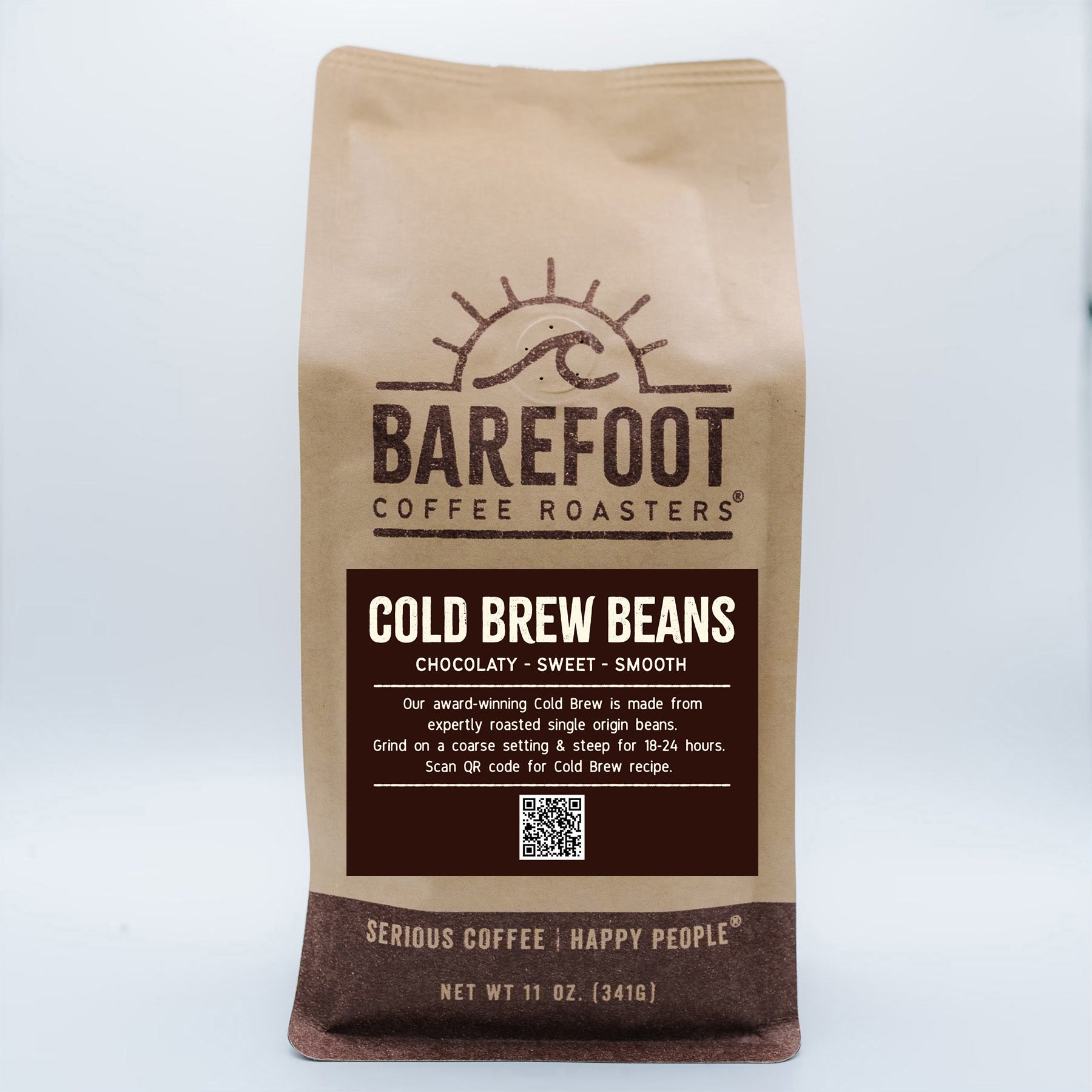
Ethiopian Coffees: Floral & Bright
Ethiopia is widely considered the birthplace of coffee, and its coffees are renowned for their incredible diversity and complex flavors. The country boasts a wide range of growing regions, each with its own distinct characteristics. Yirgacheffe, perhaps the most famous, is known for its bright acidity, floral aromas, and tea-like body. Sidamo, another prominent region, offers a slightly heavier body with notes of citrus and bergamot.
Guji, a more recently recognized region, is gaining popularity for its clean and vibrant coffees. These beans often exhibit notes of jasmine, peach, and delicate sweetness. Ethiopian coffees are set apart by heirloom varietals – ancient, unhybridized coffee plants that have evolved over centuries, contributing to unique and often unpredictable flavor profiles.
Processing methods also play a significant role. Washed Ethiopian coffees are clean and bright, emphasizing the floral and citrus notes. Natural processed coffees, where the coffee cherry is dried with the bean inside, offer a fruitier, more wine-like character. Honey processed coffees fall somewhere in between, with a balance of sweetness and acidity. For cold brew, natural processed Ethiopian beans can be particularly exciting, as the fruity notes really bloom during the long steeping process.
Ethiopian coffees offer a lighter, more refreshing cold brew experience. They provide delicate complexity, perfect for a hot day. Expect a bright, clean cup with pronounced floral and fruity aromas, and a smooth finish. They're excellent served black or with light pastries or fruit-forward desserts.
Lighter roasts unlock the potential of Ethiopian beans for cold brew. A medium-light roast preserves delicate floral notes, while a darker roast can mask them with bitterness. Look for beans roasted within the last month for optimal freshness; flavor degradation is noticeable with older beans.
- Yirgacheffe: Bright acidity, floral aromas, tea-like body
- Sidamo: Heavier body, notes of citrus and bergamot
- Guji: Clean and vibrant, notes of jasmine and peach
Featured Products

Single-origin Ethiopian Yirgacheffe beans · USDA Organic certified · Whole bean format for optimal freshness
These carefully selected Ethiopian Yirgacheffe beans offer distinct flavor profiles and roast levels, perfect for enthusiasts seeking to elevate their 2026 cold brew experience.
Single-origin Ethiopian Yirgacheffe beans · USDA Organic certified · Ground format for convenience
These carefully selected Ethiopian Yirgacheffe beans offer distinct flavor profiles and roast levels, perfect for enthusiasts seeking to elevate their 2026 cold brew experience.
Single-origin Ethiopian Yirgacheffe beans · USDA Organic certified · Whole bean format for optimal freshness
These carefully selected Ethiopian Yirgacheffe beans offer distinct flavor profiles and roast levels, perfect for enthusiasts seeking to elevate their 2026 cold brew experience.

Single-origin Ethiopian Yirgacheffe beans · USDA Organic certified · Light roast
These carefully selected Ethiopian Yirgacheffe beans offer distinct flavor profiles and roast levels, perfect for enthusiasts seeking to elevate their 2026 cold brew experience.
Single-origin Ethiopian Yirgacheffe beans · USDA Organic certified · Whole bean format for optimal freshness
These carefully selected Ethiopian Yirgacheffe beans offer distinct flavor profiles and roast levels, perfect for enthusiasts seeking to elevate their 2026 cold brew experience.
As an Amazon Associate I earn from qualifying purchases. Prices may vary.
Colombian Coffees: Balanced & Smooth
Colombian coffee is synonymous with quality and consistency, and for good reason. Grown in the Andes Mountains, Colombian beans benefit from ideal growing conditions – high altitude, consistent rainfall, and fertile volcanic soil. The three main growing regions – Medellin, Armenia, and Manizales – each contribute to the overall character of Colombian coffee, though they share a common thread of balance and smoothness.
Compared to Ethiopian coffees, Colombian beans have a more balanced flavor profile, with medium body, moderate acidity, and notes of chocolate, caramel, and nuts. They lack the intense floral aromas of Ethiopian beans but offer a comforting, familiar flavor. This makes them a good entry point into single-origin cold brew.
The vast majority of Colombian coffee is washed processed, which contributes to its clean and consistent flavor. Washing removes the fruit from the bean before drying, resulting in a brighter, more acidic cup. This process also helps to remove any potential defects, ensuring a high-quality product. The resulting coffee lends itself well to cold brew, ensuring a smooth and clean cup.
Colombian coffees offer a satisfying and approachable cold brew experience. They provide a rich and balanced flavor, perfect for everyday enjoyment. They pair well with milk, sugar, or a splash of liqueur. The chocolate and nutty notes are particularly prominent in a cold brew preparation.
Colombian beans are recommended for those new to single-origin coffee. Their approachable flavor profile makes them a safe bet, and their consistent quality ensures a satisfying cup. A medium roast is generally ideal for Colombian beans in cold brew, preserving the balance of flavor and acidity.
Featured Products
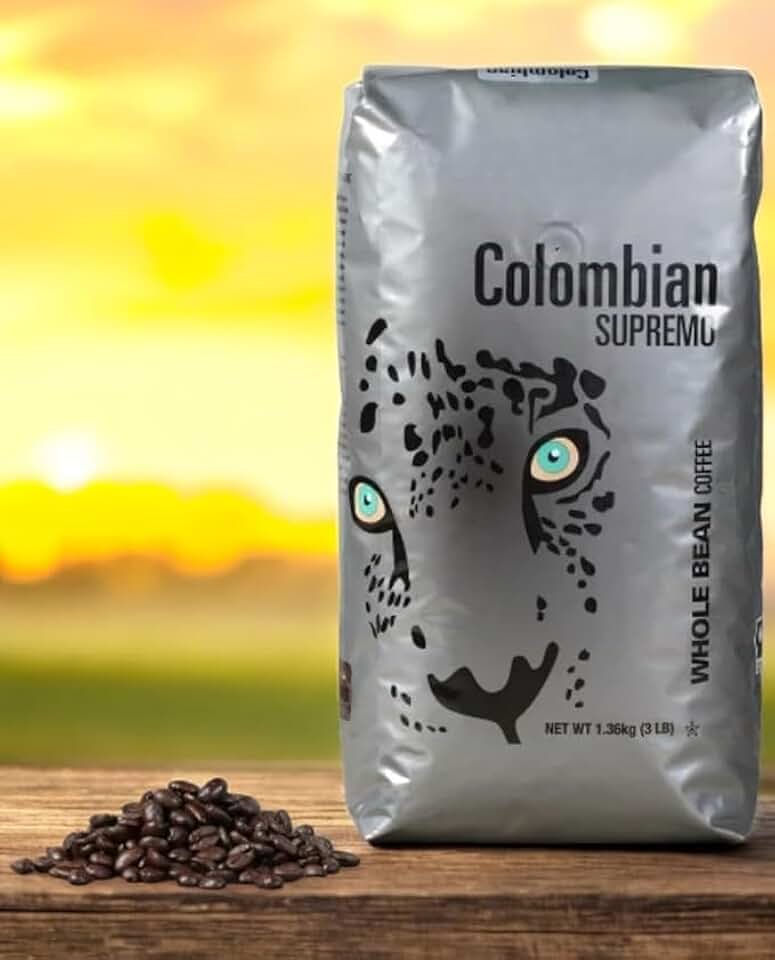
Whole Bean, Medium Roast · Kosher Certified · 3 lbs Bag
These Colombian Supremo beans are expertly selected to enhance the smooth, rich flavors characteristic of cold brew.

Ground Coffee · Fair Trade Certified · Fresh Roasted
These Colombian Supremo beans are expertly selected to enhance the smooth, rich flavors characteristic of cold brew.

Organic, Whole Bean Coffee · Dark Roast · Specifically for Cold Brewing
These Colombian Supremo beans are expertly selected to enhance the smooth, rich flavors characteristic of cold brew.
Whole Bean, Fresh Roasted · Fair Trade Certified · 16-ounce Bag
These Colombian Supremo beans are expertly selected to enhance the smooth, rich flavors characteristic of cold brew.
As an Amazon Associate I earn from qualifying purchases. Prices may vary.
Brewing Ratios: Dialing It In
The right coffee-to-water ratio is essential for perfect cold brew. For Ethiopian coffees, start with a ratio of 1:8 – one part coffee to eight parts water. Their brighter acidity means a slightly lower ratio can prevent the brew from becoming too tart. For Colombian coffees, a ratio of 1:10 is a good starting point, as their more balanced flavor can handle more dilution.
These ratios are for making a cold brew concentrate, which you’ll dilute with water or milk to your desired strength. For ready-to-drink cold brew (less concentrated), increase the water ratio to 1:12 or 1:15. Experimentation is key, as personal preference and roast level influence the ideal ratio.
Grind size is also crucial. A medium-coarse grind is best for cold brew. Too fine a grind leads to over-extraction and bitterness. Too coarse results in under-extraction and weakness. Aim for the consistency of coarse sand. This provides enough surface area for extraction without creating excessive sediment.
Adjust these ratios based on your taste. If your cold brew is too weak, use more coffee. If it’s too strong, use less. Keep a brewing journal to track experiments and find what works best for you and your chosen beans. Small changes make a big difference.
Extraction Times: Patience is Key
Cold brew requires patience. Unlike hot brewing, which extracts flavor quickly, cold brew needs a long steeping time to fully develop its flavor. For both Ethiopian and Colombian coffees, a minimum extraction time of 16 hours, up to 24 hours, yields optimal results. Steeping for too short a time results in a weak and underdeveloped brew.
Longer isn’t always better. Beyond 24 hours, over-extraction risks bitterness. The ideal extraction time depends on the brewing method and roast level. Lighter roasts generally require longer extraction times than darker roasts. Slow drip methods, like the Toddy system, often require shorter extraction times than immersion methods.
Water temperature plays a role. Room temperature or cold water is best for cold brew. Warm water accelerates extraction but can lead to bitterness. Filtering is the final step. Paper filters produce a cleaner cup, removing more sediment and oils. Metal filters allow more elements to pass through, resulting in a fuller-bodied brew.
Paper filters create a cleaner cup, but metal filters provide a fuller body and richer flavor. This is a matter of personal preference. Clean metal filters thoroughly after each use to prevent the buildup of coffee oils.
Flavor Pairings & Serving Suggestions
Ethiopian cold brew, with its floral and fruity notes, pairs well with light and delicate flavors. Try it with fruit-forward desserts like berry tarts or peach cobbler, or light pastries like croissants or scones. For a refreshing summer drink, combine Ethiopian cold brew with sparkling water and a slice of orange.
Colombian cold brew, with its balanced flavor and chocolatey undertones, is more versatile. It pairs well with richer desserts like chocolate cake or brownies, nuts, caramels, and other sweet treats. For an indulgent experience, add a splash of milk or cream to your Colombian cold brew.
undefined
Here’s a simple recipe for a Cold Brew White Russian: 2 oz Vodka, 1 oz Coffee Liqueur, 3 oz Cold Brew Concentrate, and 1 oz Cream. Combine ingredients in a glass filled with ice, and stir gently. Garnish with coffee beans. Feel free to experiment with different flavor combinations to find your perfect cold brew cocktail.
Featured Single-Origin Beans
- Yirgacheffe, Ethiopia - Known for its bright acidity, floral aromas, and delicate citrus notes. This bean consistently delivers a clean, refreshing cold brew.
- Sidamo, Ethiopia - Offers a medium body with vibrant berry and lemon flavors. Sidamo beans excel in cold brew, yielding a complex and nuanced cup.
- Guji, Ethiopia - Increasingly popular, Guji beans present a sweet, balanced profile with notes of stone fruit and chocolate, making for a smooth cold brew concentrate.
- Huila, Colombia - A classic choice, Huila beans offer a well-rounded flavor profile with caramel sweetness and a nutty finish, ideal for a traditional cold brew.
- Tolima, Colombia - Tolima beans are celebrated for their bright acidity and notes of red apple and brown sugar, creating a lively and flavorful cold brew.
- Nariño, Colombia - Grown at high altitudes, Nariño beans boast a complex flavor profile with hints of citrus, chocolate, and a subtle winey note, lending itself to a sophisticated cold brew.
- Cauca, Colombia - Cauca beans typically exhibit a full body and flavors of dark chocolate and caramel, resulting in a rich and satisfying cold brew concentrate.
Standout Beans: Our Top Picks
After extensive testing, a few beans consistently stood out for their exceptional performance in cold brew. From Ethiopia, the Worka Kejira Natural from SF Bay Coffee is a standout. This naturally processed coffee boasts intense blueberry and strawberry notes, which really shine through in a cold brew. It's a vibrant and complex coffee that’s perfect for those who enjoy a fruit-forward experience.
Also from Ethiopia, Yirgacheffe Kochere from various roasters (I've had good luck with Trade Coffee's rotating selections) delivers classic floral aromas and a delicate citrus acidity. It’s a clean and refreshing coffee that’s perfect for a hot day. The flavor profile remains remarkably consistent even after a long steep.
On the Colombian side, Tolima El Encanto from Happy Mug Coffee is a real winner. This washed processed coffee offers a balanced flavor profile with notes of chocolate, caramel, and a hint of almond. It’s a smooth and satisfying coffee that’s perfect for everyday enjoyment. It's remarkably consistent, too.
Another excellent Colombian option is Huila La Palma y El Tucan (available through various specialty roasters). This coffee is known for its bright acidity and notes of red apple and toffee. It’s a well-rounded coffee that’s perfect for those who want a bit more complexity in their cold brew. These beans consistently deliver a high-quality cup.
These are just a few examples, of course. The best bean for you will depend on your personal preferences. But these are all excellent starting points for exploring the world of single-origin cold brew.

Kahawa 1893 Whole Bean Coffee Medium Roast Ethiopian Blend 12 Oz - As Seen on Shark Tank, High Antioxidants, Naturally Sweet, Organically Grown, Ethically & Sustainably Sourced
- Medium Roast Ethiopian Blend
- Organically Grown
- Ethically & Sustainably Sourced
- High Antioxidants
- Naturally Sweet
Kahawa 1893 offers an expertly sourced Ethiopian blend, perfect for cold brew enthusiasts seeking a naturally sweet and organically grown option with a commitment to ethical and sustainable practices.
View on Amazon →As an Amazon Associate I earn from qualifying purchases.
Troubleshooting Common Cold Brew Issues
Bitterness is a common complaint with cold brew. This is usually caused by over-extraction, which can be due to a grind that’s too fine, an extraction time that’s too long, or using water that’s too warm. Try using a coarser grind, reducing the extraction time, or using cold water. Weakness in your cold brew is usually due to under-extraction. Try using a finer grind, increasing the extraction time, or using more coffee.
If your cold brew is muddy, it’s likely due to fine particles passing through your filter. Try using a paper filter, or double-filtering your cold brew. Ensure your grind is not too fine. A consistent grind is important for even extraction and clarity. A burr grinder is superior to a blade grinder for this reason.
Here's a quick FAQ: Q: Can I use pre-ground coffee for cold brew? A: While you can, whole bean coffee is always recommended for the freshest flavor. Q: How long does cold brew concentrate last? A: Properly stored in an airtight container in the refrigerator, it can last up to two weeks. Q: Can I reuse coffee grounds for cold brew? A: I don't recommend it. You'll get a significantly weaker and less flavorful brew.



No comments yet. Be the first to share your thoughts!