

Cold brew usually takes 12 to 24 hours. Most of us don't plan our caffeine needs that far in advance. Flash-chilling changes that by delivering the same low-acid profile in about five minutes. It isn't just a shortcut; it's a better way to get a cup without the day-long wait.
The appeal is obvious: speed and convenience. We live in an on-demand world, and waiting a full day for coffee feels… archaic. But it’s more than just about saving time. Early adopters are finding that flash chilling can actually produce a surprisingly nuanced cup, and I think that’s what’s fueling the excitement.
Cafes are already adopting these techniques to avoid running out of cold brew mid-shift. You don't need to replace your overnight carafe, but having a fast alternative means you can have a high-quality iced coffee even when you forgot to prep it the night before.
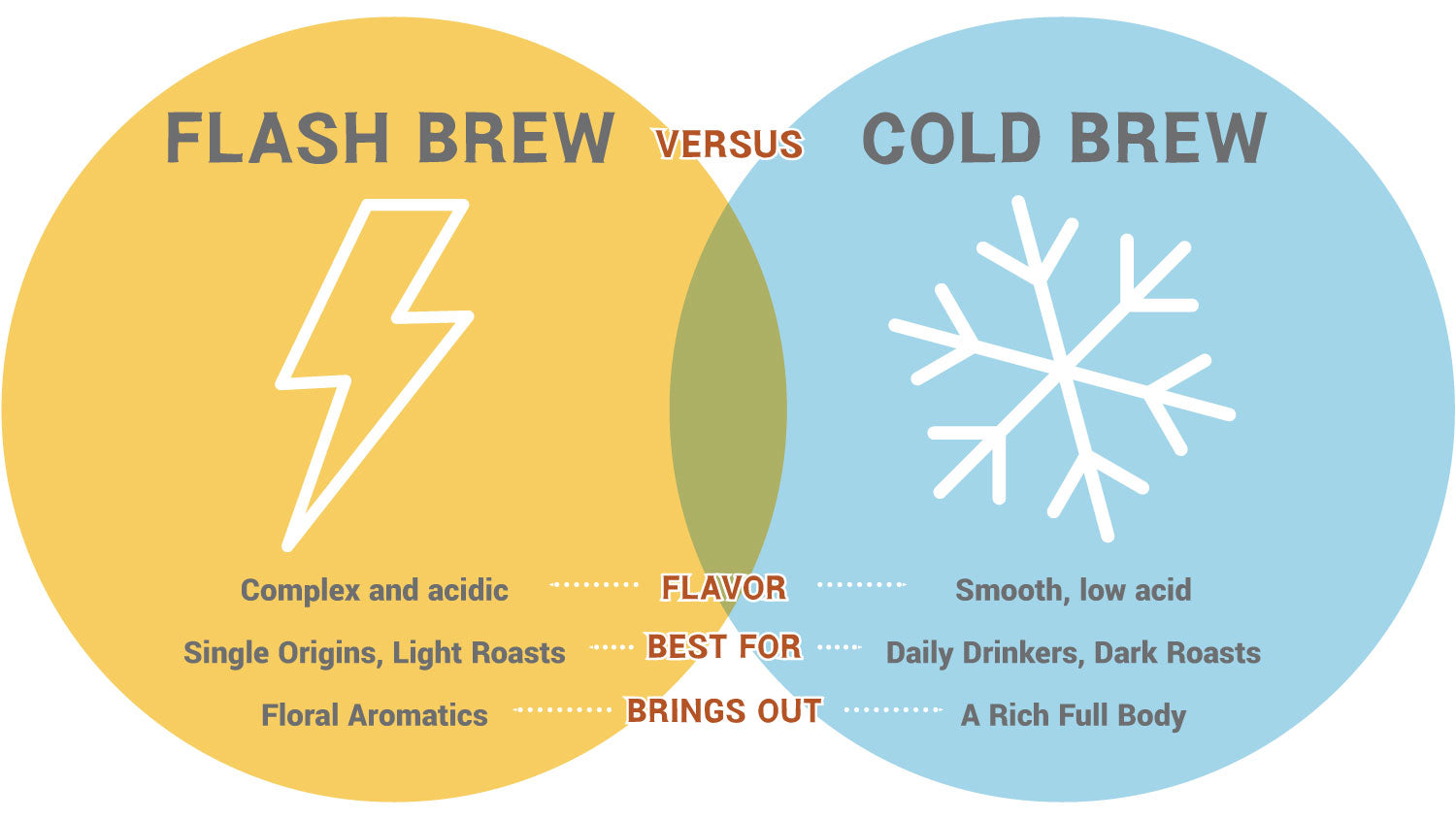
Traditional cold brew relies on extended steeping times to extract flavor compounds from coffee grounds. Time allows water to slowly pull out those desirable flavors, but also some of the less appealing ones that contribute to bitterness. The longer the brew, the more these compounds are extracted.
Flash chilling, on the other hand, aims for rapid extraction. The key is temperature. When you quickly cool the coffee after brewing—or brew directly over ice—you slow down the extraction process. This prevents the over-extraction of bitter compounds, resulting in a smoother, cleaner cup. It’s a delicate balance.
The rapid chilling also impacts acidity. Lower temperatures suppress the release of certain acids, leading to a less acidic final product. This is a major draw for cold brew lovers, and flash chilling seems to enhance that benefit. The science isn’t fully settled, but the consensus is that rapid cooling preserves more of the brighter, more pleasant flavor notes.
Before the term "flash chill’ became popular, Japanese iced coffee was the go-to method for quick, delicious iced coffee. It"s elegantly simple: brew hot coffee directly onto ice. This instantly chills the coffee, preserving its aroma and flavor.
The coffee-to-ice ratio is critical. Typically, you’ll use roughly half the amount of ice as you do coffee. So, if you're brewing 300ml of coffee, use about 150ml of ice. This ensures the coffee is properly chilled without becoming overly diluted. Experimentation is key here – adjust to your taste.
Lighter-roasted beans often work best for Japanese iced coffee. Their inherent brightness and floral notes shine through, and they don't tend to become overly bitter when brewed hot and then chilled. A medium-fine grind is generally recommended for a balanced extraction.
While you can achieve excellent flash-chilled cold brew with basic equipment, a few gadgets are emerging to streamline the process. Rapid chillers, essentially immersion chillers designed for coffee, are becoming more popular. These quickly lower the temperature of the brewed coffee, maximizing flavor preservation.
Specialized ice molds are also gaining traction. Larger, denser ice cubes melt slower, minimizing dilution. Some even have unique shapes designed to maximize surface area for faster chilling. People are also improvising with things like metal pitchers and ice baths.
I’m a bit skeptical about dedicated "flash chill’ machines at this point. Most seem to be solving a problem that can be adequately addressed with existing tools and techniques, but it"s a space to watch. The focus should be on technique, not necessarily expensive equipment.
The coffee beans you choose will significantly impact your flash-chilled cold brew. Medium-dark roasts generally perform best. They offer a balance of flavor and body, and they’re less prone to bitterness when brewed quickly. Lighter roasts can work, but require careful attention to grind size and brew time.
Single-origin beans highlight specific notes like citrus or chocolate, but blends are more reliable for a balanced cup. I prefer Sumatran beans for their earthiness, though Ethiopian beans work if you like a tea-like brightness. Try both to see which handles the rapid temperature drop better.
Grind size is crucial. A medium-coarse grind is typically recommended. Too fine, and the coffee will be over-extracted and bitter; too coarse, and it will be weak and under-extracted. Adjust based on your brewing method and desired strength.
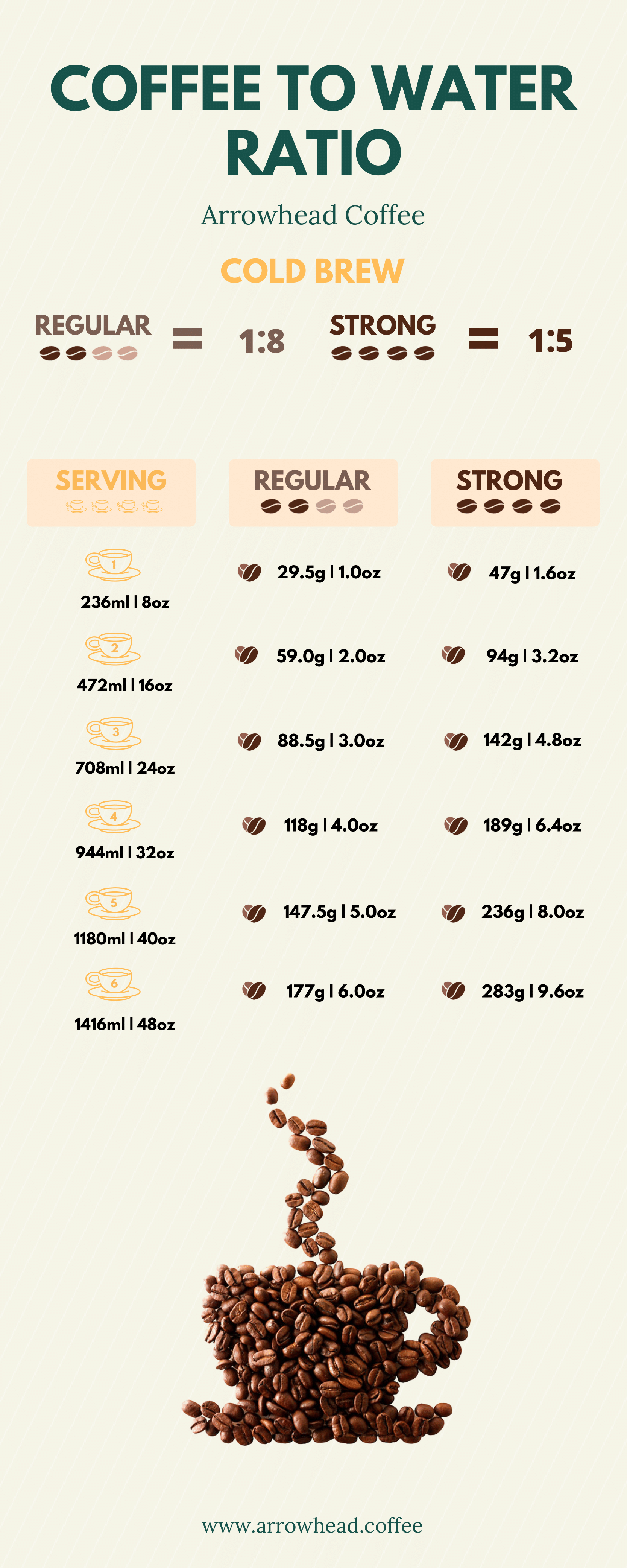
Weak coffee is a common complaint. This usually indicates an insufficient coffee-to-water ratio or a grind that’s too coarse. Increase the amount of coffee you use, or grind finer. A good starting point is a 1:8 coffee-to-water ratio, but adjust to your taste.
Overly bitter coffee often results from over-extraction. Reduce your brewing time, use a coarser grind, or ensure your water temperature isn’t too high. Rapid chilling is meant to prevent bitterness, so if you’re still experiencing it, something’s off.
Uneven chilling can lead to a diluted or inconsistent brew. Make sure your ice is fully submerged in the coffee, and use enough ice to rapidly bring the temperature down. Stirring can also help ensure even cooling. Don't be afraid to experiment to find what works best for your setup.
- If the coffee is weak, use more grounds or a finer grind.
- If it's bitter, shorten the brew time or use a coarser grind.
- Problem: Uneven Chilling. Solution: Ensure full ice submersion, use enough ice, stir well.
No comments yet. Be the first to share your thoughts!