

The rise of flash brew
I was skeptical when I first heard about flash brew. It’s hard to believe a five-minute process can compete with a 24-hour steep. But as more people ditch the overnight wait for immediate results, the technique is proving it can hold its own against the traditional concentrate.
The speed is the obvious draw. If you forgot to set a batch of cold brew last night, this is your only real path to a cold cup that doesn't taste like watered-down leftovers. It’s less about an 'impatient world' and more about the convenience of making one glass at a time.
The origins aren’t entirely clear, but much of the recent popularization is credited to coffee professionals like Lance Hedrick, who demonstrated effective flash brew techniques on YouTube. He champions a method he calls 'Ultimate Flash Brew,' emphasizing a quick bloom and controlled ice dilution. It’s taken the specialty coffee world by storm, and now it's creeping into everyday kitchens.
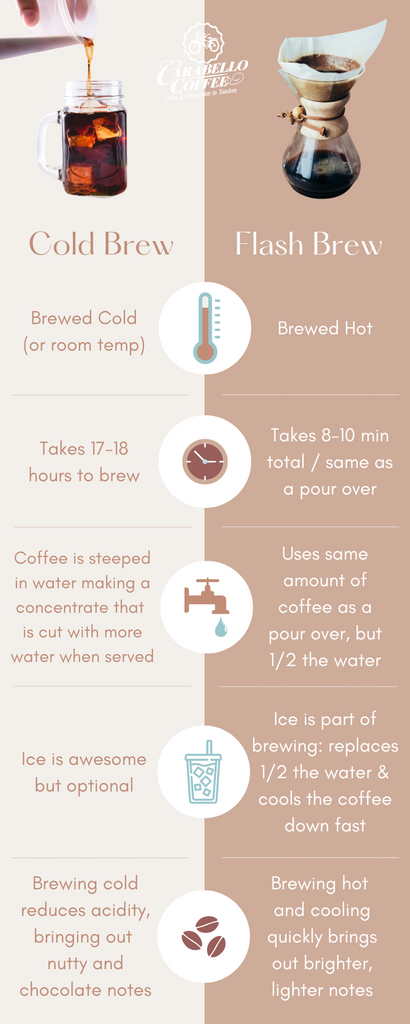
Traditional cold brew: the slow immersion method
Let’s start with the classic: traditional cold brew. This is the method most of us picture when we think of cold brew – a long, slow immersion in cold water. The process is beautifully simple, but requires patience. You begin with a coarse grind, significantly coarser than what you’d use for drip coffee. This is essential; finer grinds lead to over-extraction and a muddy flavor.
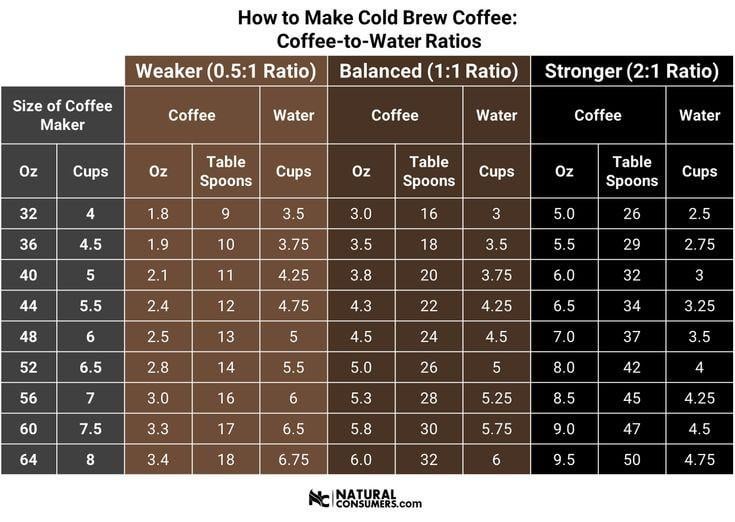
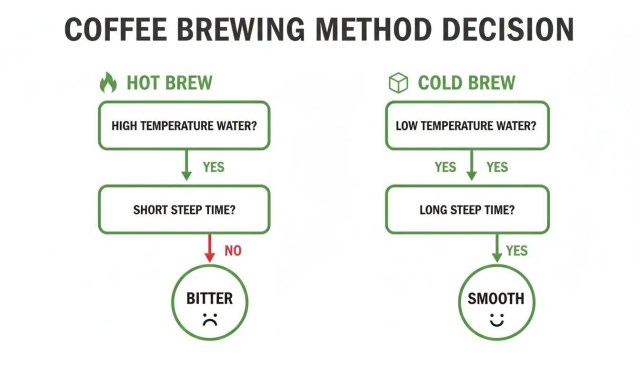
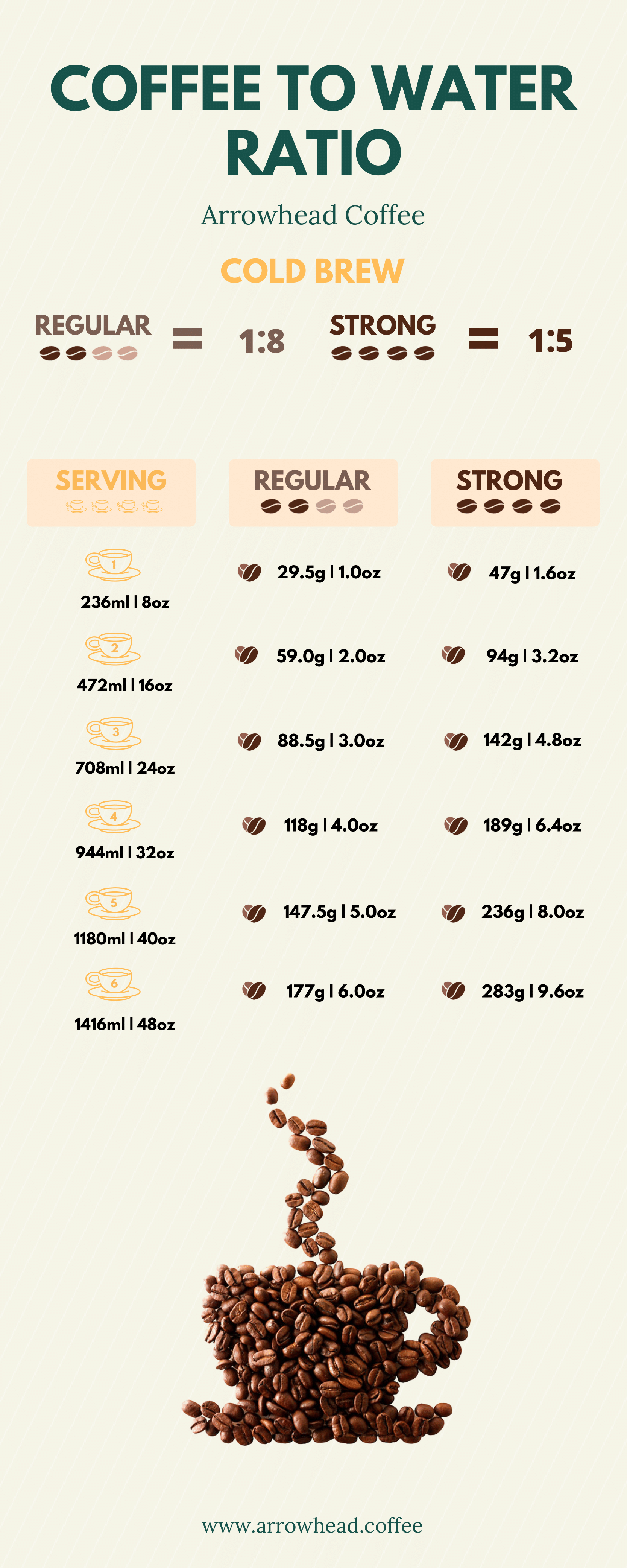
The coffee grounds steep in cold, filtered water for anywhere between 12 and 24 hours, though 18 hours is a sweet spot for many. The coffee-to-water ratio is critical, typically ranging from 1:4 to 1:8, depending on your desired concentration. Water quality matters too—use filtered water to avoid introducing unwanted flavors. The longer steep time allows for a gentler extraction, resulting in a concentrate.
After steeping, the mixture is filtered, often using a Toddy cold brew system, a French press, or even just a cheesecloth-lined mason jar. The resulting concentrate is incredibly versatile. It’s smooth, low in acidity, and naturally sweet. It’s also a bit of a project. It demands forethought and a willingness to wait.
Different brewing methods yield slightly different results. A Toddy system generally produces a cleaner, brighter brew. A French press may leave some sediment, adding a bit of body. Even the type of filter – paper versus metal – impacts the final flavor profile. It’s a method that rewards attention to detail, but it isn’t exactly quick.
- Ratio: 1:4 to 1:8 depending on how strong you want the concentrate.
- Steep Time: 12-24 hours
- Grind Size: Coarse
- Water Quality: Filtered
Flash brew: hot extraction over ice
Flash brew, also sometimes called Japanese-style iced coffee, is all about speed. The core principle is brewing hot coffee directly over ice, instantly chilling it and preserving some of the brighter aromatics that can be lost in traditional cold brew. It’s a fascinating technique that bridges the gap between hot and cold coffee.
The key is the volume of ice. You need a lot of ice—typically around 50-75% of the final volume. This dilution is crucial. It's not just about cooling the coffee; it’s about controlling the concentration. Without enough ice, the brew will be weak and watery. Too much, and it will be overly diluted.
There are variations in technique. Some brewers use a bloom phase, similar to pourover, before adding the remaining water. Others advocate for a continuous pour over the ice. Ultimately, it's essentially a hot bloom over ice, and that impacts the extraction process. It extracts different compounds than a long, cold steep.
The speed is the obvious advantage – you can have a delicious cold brew in just a few minutes. It requires a bit more active involvement than traditional cold brew, but the turnaround time is significantly faster.
Flavor Profiles: A Head-to-Head Comparison
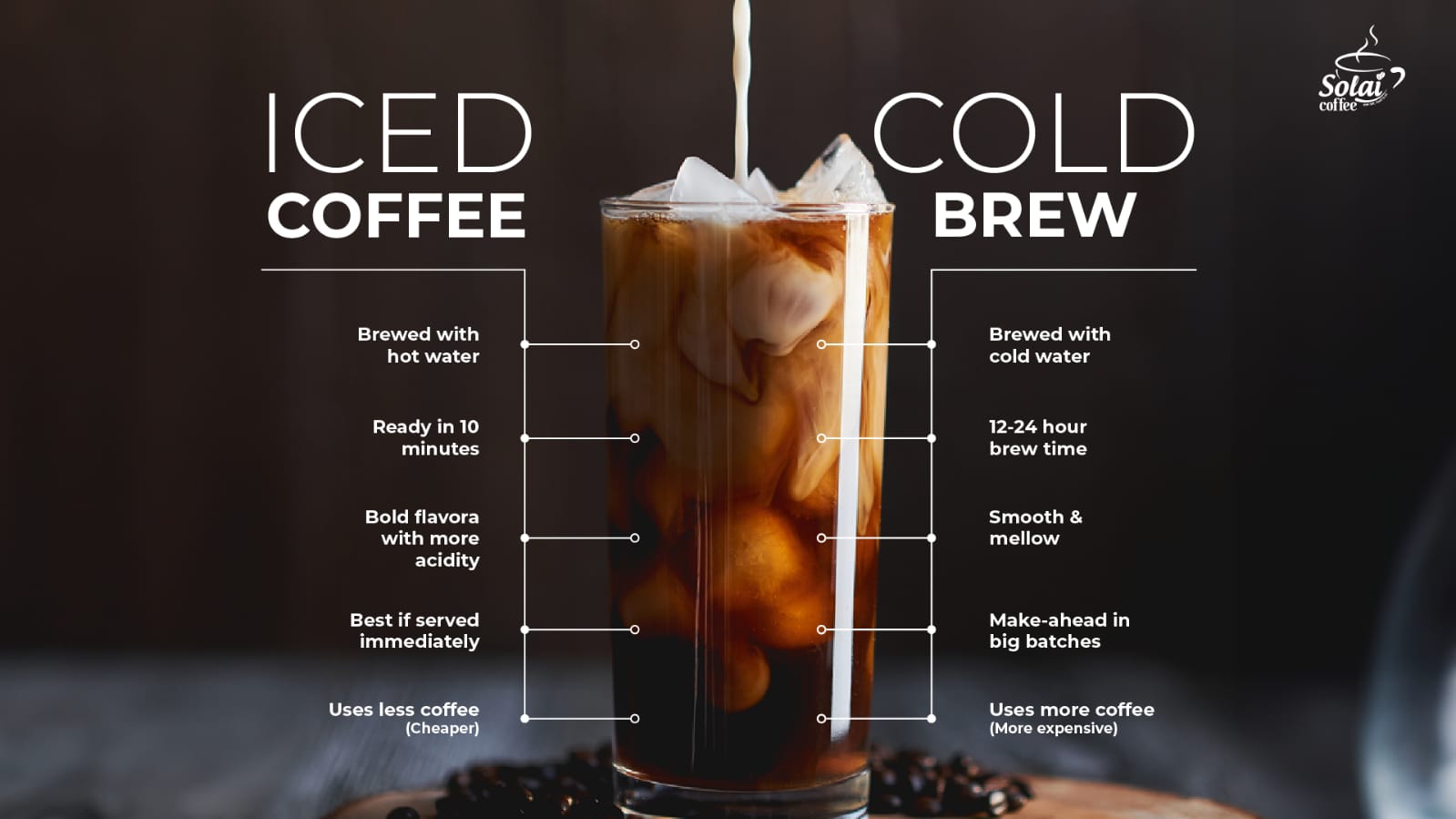
This is where things get subjective. The flavor profiles of traditional cold brew and flash brew are distinctly different. Traditional cold brew, with its long steeping time, tends to be exceptionally smooth, incredibly sweet, and notably low in acidity. It often masks some of the more delicate nuances of the bean, resulting in a more rounded, approachable flavor.
Flash brew keeps the acidity and origin notes that cold immersion usually kills. You get the brightness of a hot pourover but at a lower temperature. It is less forgiving, though; if your beans are stale or your grind is off, the ice won't hide those flaws.
I don't believe one is inherently better than the other. It depends entirely on your preference. If you prefer a super-smooth, low-acid brew, traditional cold brew is the way to go. If you enjoy a brighter, more nuanced cup, flash brew might be your new favorite. It really is a matter of taste.
Bean origin plays a huge role. For traditional cold brew, darker roasts tend to shine, as their inherent sweetness is amplified during the long steep. For flash brew, lighter roasts can showcase more delicate floral or fruity notes. A bright, Ethiopian Yirgacheffe, for example, might be stunning as flash brew but a bit too acidic for a traditional cold brew.
Flash Cold Brew vs. Traditional Cold Brew: Flavor Profile Comparison
| Flavor Dimension | Traditional Cold Brew (12-24 Hour Steep) | Flash Cold Brew (Seconds-Minute Steep) | Typical Description |
|---|---|---|---|
| Acidity | Low to Medium | Medium to High | Refers to the bright, tart sensation on the tongue. Lower acidity feels smoother, while higher acidity is more vibrant. |
| Body | Full | Medium | Describes the perceived weight and texture of the coffee in your mouth. Full-bodied feels heavier, while medium-bodied feels lighter. |
| Sweetness | Medium | Medium to High | The natural sugar content perceived in the coffee. Can be influenced by bean origin and roast level. |
| Complexity | High | Medium | The range of discernible flavors present in the coffee. Higher complexity offers more nuanced tasting notes. |
| Clarity | Medium | High | Relates to the cleanliness of the flavor – how easily individual notes can be distinguished. Higher clarity means fewer muddy or lingering flavors. |
| Brew Time Impact | Extended (12-24 hours) | Rapid (Seconds to Minutes) | The significant difference in brew time directly impacts the extraction of different compounds, leading to the flavor variations. |
| Caffeine Level | Generally Higher | Generally Lower | Due to the longer steep time, traditional cold brew often extracts more caffeine, though this varies by coffee-to-water ratio. |
| Flavor Consistency | More Consistent with Time | More Sensitive to Variables | Traditional cold brew, once brewed, remains relatively stable in flavor. Flash brew is more impacted by minor changes in water temperature and brew time. |
Illustrative comparison based on the article research brief. Verify current pricing, limits, and product details in the official docs before relying on it.
Which beans to buy
Choosing the right beans is crucial for both methods, but the ideal choices differ slightly. As mentioned, darker roasts generally excel in traditional cold brew. The extended steeping time pulls out the sugars and minimizes acidity, making the darker flavors more prominent and enjoyable. Think chocolatey, nutty profiles.
For flash brew, lighter roasts can really sing. Their more delicate flavors aren’t lost in the process, and the quick chill helps preserve their brightness. Single-origin beans are particularly well-suited to flash brew, allowing you to fully appreciate their unique characteristics. Look for beans with floral, fruity, or citrusy notes.
I usually stick to Ethiopian Yirgacheffe for flash brew to keep those citrus notes sharp. For the traditional method, a heavy Sumatra or a dark roast blend handles the long oxidation much better without turning sour.
Ultimately, experimentation is key. Don't be afraid to try different beans and see what works best for your palate. Both single-origin and blends can work well, but I tend to prefer single-origins for flash brew to really highlight the unique flavors.
Featured Products

USDA Organic · Fair Trade Certified · Dark Roast Whole Bean
This intensely bold dark roast provides a robust base for cold brew, offering a powerful flavor profile that stands up well to dilution.

Single Origin: Yirgacheffe, Ethiopia · USDA Organic · Fresh Roasted Whole Bean
Known for its bright, floral, and citrusy notes, this Ethiopian coffee offers a complex and nuanced flavor that can be beautifully highlighted in cold brew.

Medium Roast · Flavor Notes: Citrus and Dark Chocolate · 100% Arabica Coffee
The balanced profile of this medium roast, with its hints of citrus and chocolate, makes it versatile for exploring subtle flavor differences between brewing methods.

Certified Organic · Fairtrade Certified · Medium Roast Whole Bean
This large-format bag of medium roast beans offers a smooth and balanced taste, ideal for consistent cold brew experimentation over time.
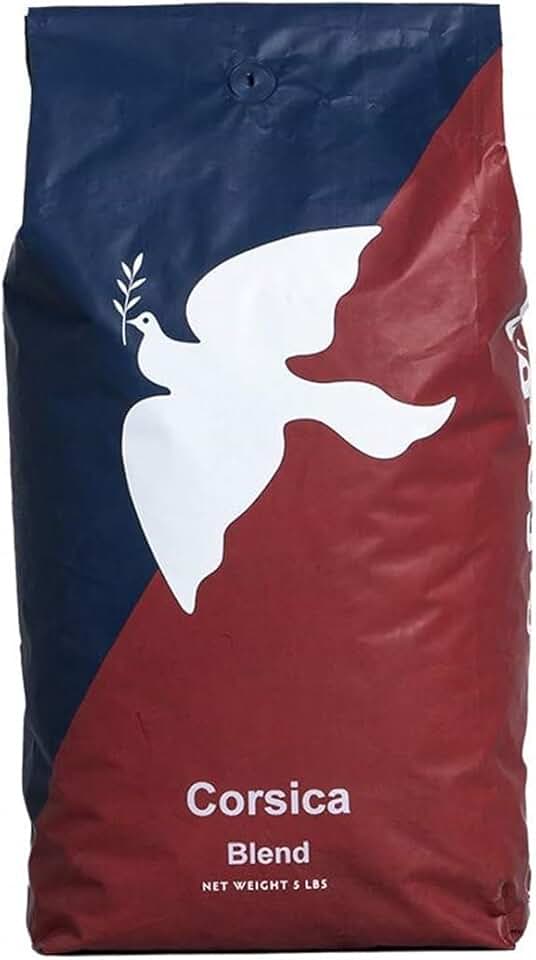
Dark Roast · Flavor Notes: Baker's Chocolate, Red Wine & Spices · 5 Pound Bag
With its rich, complex notes of chocolate, wine, and spice, this dark roast is perfect for creating a decadent and full-bodied cold brew concentrate.
As an Amazon Associate I earn from qualifying purchases. Prices may vary.
Equipment Needs: Cost and Convenience
The equipment needed for each method varies in both cost and complexity. Traditional cold brew can be surprisingly affordable. You can get started with a mason jar, a filter (cheesecloth or a paper filter), and some coffee grounds. It’s a very accessible method.
Flash brew typically requires a pourover device (like a Hario V60 or Chemex) and a scale for precise measurements. While not prohibitively expensive, it's a bit more of an initial investment. You’ll also need a good supply of ice, of course.
Flash brew can be more convenient for a single serving. You can brew a cup on demand in just a few minutes. Traditional cold brew is better suited for batch brewing – making a large concentrate that you can store in the fridge for several days. It's more efficient for larger quantities.
Cleaning is also a consideration. Traditional cold brew requires cleaning the brewing vessel and filter. Flash brew involves cleaning the pourover device and disposing of the used grounds. Both are relatively straightforward, but the pourover setup might require a bit more attention to detail.
No comments yet. Be the first to share your thoughts!