

How time changes extraction
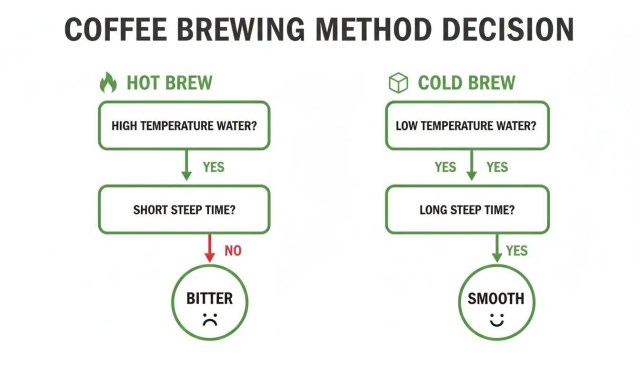
Brewing, at its heart, is extraction. We’re pulling compounds from coffee grounds into water. The amount of time, and the temperature of the water, dictate what gets extracted, and in what order. Hot brewing is fast and furious, grabbing everything quickly, including more of the acids that contribute to bitterness.
Cold brew, because of the lower temperature, is much slower. This selective extraction is the key. Initially, you pull out the brighter acids and sugars. As time goes on, you start to extract more oils, and then eventually, the more bitter compounds. The goal is to stop the extraction at the sweet spot, before things get unpleasantly bitter.
Temperature plays a huge role because it influences the rate of diffusion. Hot water has more energy, so compounds move from the coffee grounds into the water more rapidly. This is why a 12-hour cold brew will extract different compounds, and at different rates, than a 24-hour brew. It’s not just about how long it brews, but how it brews.
Think of it like making tea. Short steep times create a bright, delicate flavor. Longer steep times result in a stronger, sometimes astringent brew. Coffee is similar, though the compounds are more complex.
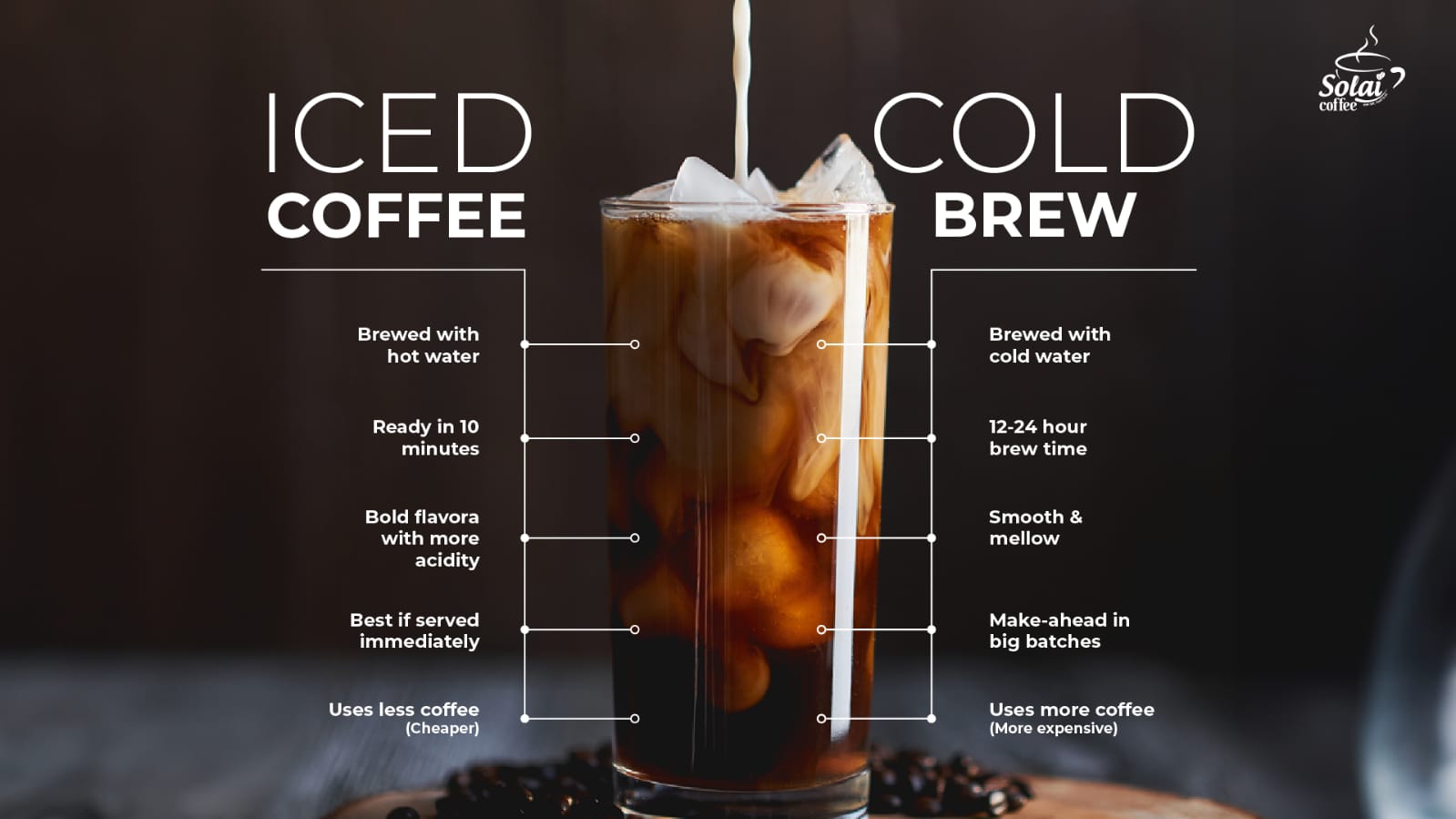
The 12-hour brew: fast and bright
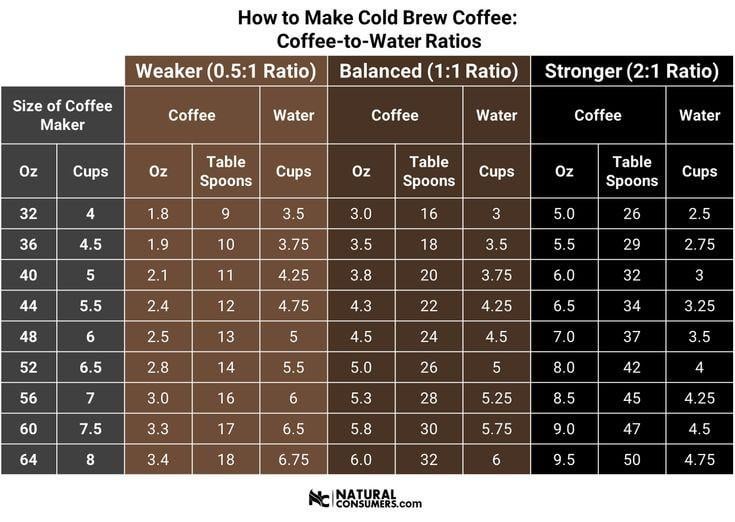
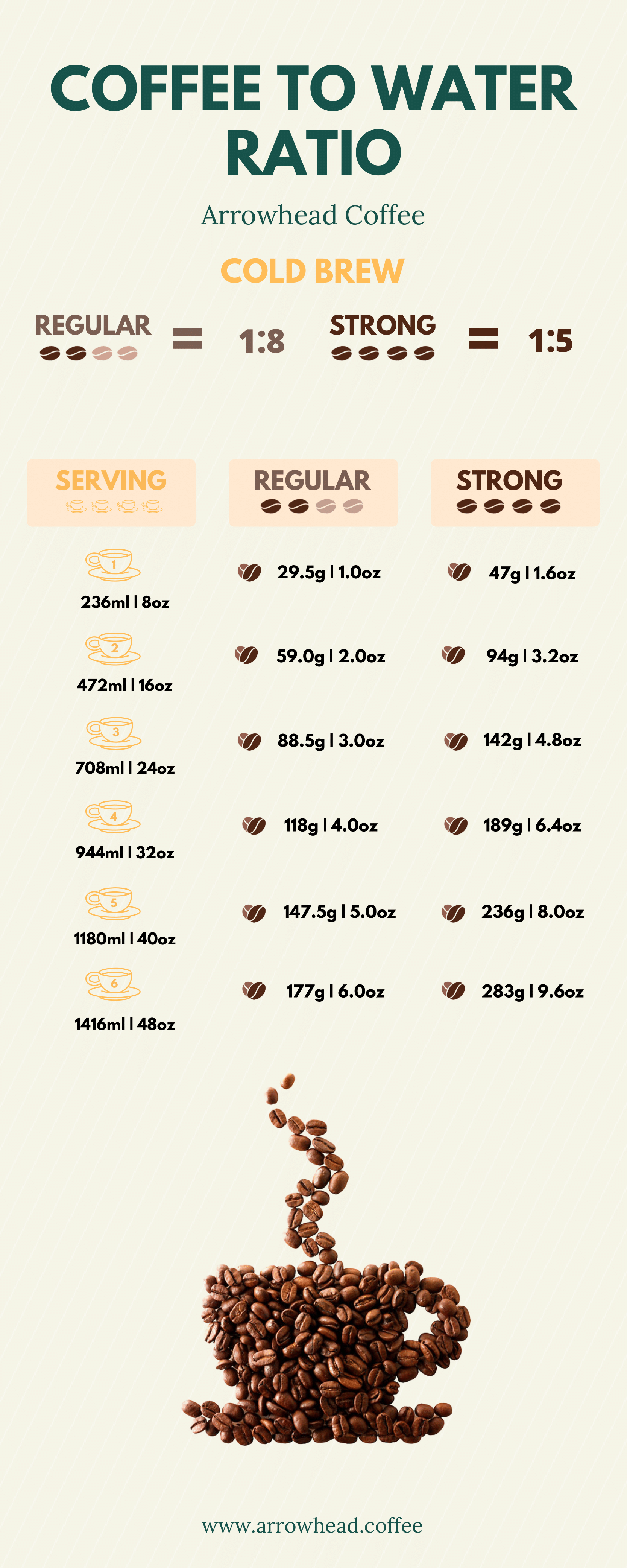
The 12-hour cold brew is often touted as a good compromise for those who want cold brew without the extended wait. A typical ratio is around 1:8 coffee to water – for example, 4 ounces of coffee to 32 ounces of water. Medium-coarse grind is best; something similar to what you’d use for a French press.
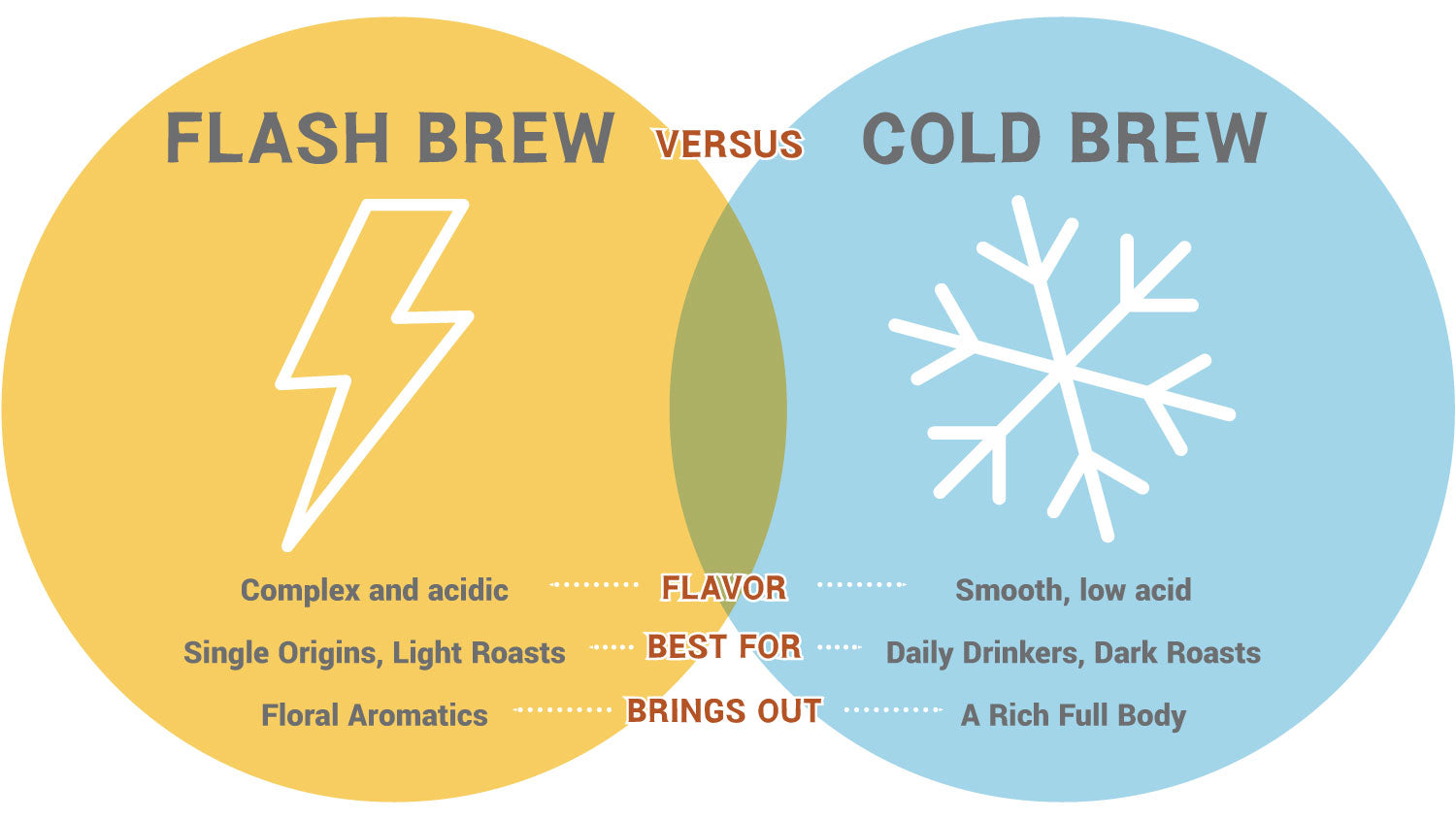
The flavor profile tends to be brighter and more acidic than a 24-hour brew, though still significantly smoother than traditionally brewed iced coffee. It's a good option if you prefer a more lively, nuanced cup. It can also work well with lighter roast coffees, where you want to preserve some of the origin characteristics.
However, there are downsides. 12 hours might not be enough time to fully extract all the desirable flavors from denser, darker roasts. You might find the brew a little weak or lacking in body. There’s a risk of under-extraction, which can result in a sour or grassy taste.
12-hour brews are finicky. If your grind is even slightly too coarse, the water won't penetrate the bean enough in half a day, leaving you with a weak, grassy mess. It works best if you're using a lighter roast and want to keep those floral notes alive.
24-Hour Brews: Patience Rewarded?
The 24-hour method is often considered the "gold standard’ of cold brew. The same 1:8 ratio generally applies, and again, a medium-coarse grind is recommended. However, with a longer brew time, you have a little more leeway with the grind. A slightly finer grind won"t be as detrimental as it would be in a 12-hour brew.
The resulting flavor is typically smoother, richer, and more chocolatey. The extended extraction pulls out more of the oils and sugars, creating a fuller-bodied brew. Darker roasts really shine with this method, as the longer steep time allows for maximum flavor development.
The biggest concern with a 24-hour brew is over-extraction. This can lead to a bitter, astringent taste. To avoid this, stick to the recommended coffee-to-water ratio and don’t exceed 24 hours. Some people even find 20 hours is their sweet spot. It really depends on the beans and your personal preference.
I’ve found that single-origin beans with chocolatey or nutty notes perform exceptionally well with a 24-hour brew. It allows those flavors to really develop and shine. It's not necessarily 'better' than a 12-hour brew, but it offers a different experience. It's about finding what you prefer.
- 12-hour brew: Tastes brighter and more acidic; best for light roasts.
- 24-Hour Brew: Smoother, richer, better for darker roasts.
Pick the right beans
The quality of your beans is paramount. No amount of brewing expertise can salvage stale or low-quality coffee. Freshly roasted beans are essential. Ideally, you want to use beans that have been roasted within the last two weeks.
While darker roasts are often recommended for cold brew, it’s not a hard and fast rule. If you’re doing a shorter 12-hour brew, a lighter roast can work well, preserving more of the origin flavors. For longer brews, a darker roast will typically yield a more satisfying result.
Consider the flavor profile you’re aiming for. Chocolatey and nutty beans work well with both brew times. Fruity or floral beans might be better suited to a 12-hour brew, where their delicate flavors won’t be overwhelmed. Experimentation is key.
Don't overlook blends. A well-crafted blend can offer a balanced flavor profile that's perfect for cold brew. Look for blends that emphasize chocolate, caramel, or nutty notes.
12-Hour vs. 24-Hour Cold Brew Comparison
| Brew Time | Grind Size | Flavor Profile | Acidity | Body | Best Bean Types | Convenience |
|---|---|---|---|---|---|---|
| 12-Hour | Coarse | Displays brighter, more nuanced flavors, often highlighting the bean's origin characteristics. Can have fruity or floral notes. | Bright acidity, often perceived as crisp and lively. | Medium-bodied, offering a smoother mouthfeel. | Lighter roast beans, especially those with fruity or floral profiles (e.g., Ethiopian Yirgacheffe, Kenyan AA). | Faster turnaround, suitable for those wanting cold brew relatively quickly. |
| 24-Hour | Coarse | Produces a richer, more chocolatey and robust flavor profile. The extended brew time draws out more oils and sugars from the coffee grounds. | Lower acidity, resulting in a smoother, less tangy taste. | Fuller-bodied, with a heavier, more syrupy texture. | Darker roast beans, or blends designed for cold brew (e.g., Sumatran Mandheling, Brazilian Santos). | Requires more patience, ideal for those who prefer a bolder, less acidic brew and can plan ahead. |
Illustrative comparison based on the article research brief. Verify current pricing, limits, and product details in the official docs before relying on it.
Filtration: From Sludge to Smooth
Filtration is a critical step. You want to remove the coffee grounds without stripping away all the flavor and oils. Cheesecloth is the simplest option, but it requires multiple layers and can be messy. Paper filters provide a cleaner brew, but they can also remove some of the desirable oils.
Specialized cold brew systems, like those from Toddy, often use a felt filter. These filters strike a good balance between clarity and flavor retention. They’re also reusable, which is a plus. The downside is the initial cost.
I generally recommend filtering twice – once with a coarser filter to remove the bulk of the grounds, and then again with a finer filter for extra clarity. The level of sediment is a matter of personal preference, but most people prefer a clean, smooth brew.
Don't be afraid to experiment with different filtration methods to find what works best for you. Some people even use a French press for filtration, though this can result in a slightly cloudy brew.
Gear Up: Essential Cold Brew Tools
You don’t need a lot of fancy equipment to make great cold brew. A large mason jar is a great starting point. It's affordable and versatile. A French press can also be used for both brewing and filtration.
If you’re serious about cold brew, a dedicated cold brew maker can be a worthwhile investment. Brands like Oxo and Toddy offer excellent systems. These systems typically include a filter and a brewing container.
A good burr grinder is essential for consistent results. Blade grinders produce an uneven grind, which can lead to uneven extraction. A burr grinder ensures that all the coffee grounds are the same size.
Beyond that, a scale for measuring coffee and water is helpful, and a timer is crucial for keeping track of your brew time. You can get started with minimal investment and upgrade as you go.
- You only really need a mason jar, a burr grinder, a scale, and a timer.
- Optional: Dedicated cold brew maker.
Fixing common mistakes
Weak brew: Increase the coffee-to-water ratio, use a finer grind, or extend the brew time. Make sure your coffee is fresh. If you're using a 12-hour brew, consider switching to a 24-hour brew.
Bitter brew: Reduce the brew time, use a coarser grind, or try a lighter roast. Over-extraction is the most common cause of bitterness. Ensure you're not exceeding 24 hours.
Cloudy brew: Use a finer filter or filter the brew twice. Some sediment is normal, but excessive cloudiness can be reduced with better filtration. A paper filter will generally produce the clearest brew.
Essential Gear for Your Perfect 2026 Cold Brew at Home
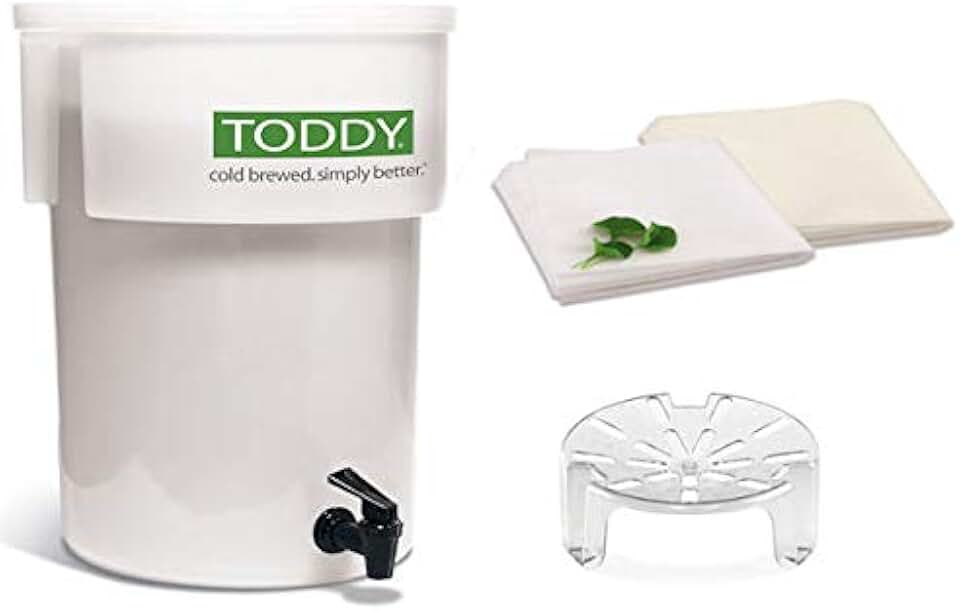
Includes Toddy Cold Brew System, 2 paper filters, 1 felt filter, 1 Toddy Lift, and 1 recipe book · Produces a smooth, rich, low-acid coffee concentrate · Simple to use for both beginners and experienced brewers
This comprehensive set provides everything needed to start making high-quality cold brew concentrate at home.

Features a fine mesh filter to keep grounds out of the coffee · Compact 600ml capacity is ideal for single servings or small batches · Durable glass carafe with a stylish black lid and handle
A compact and affordable option for brewing smooth cold brew coffee with minimal sediment.
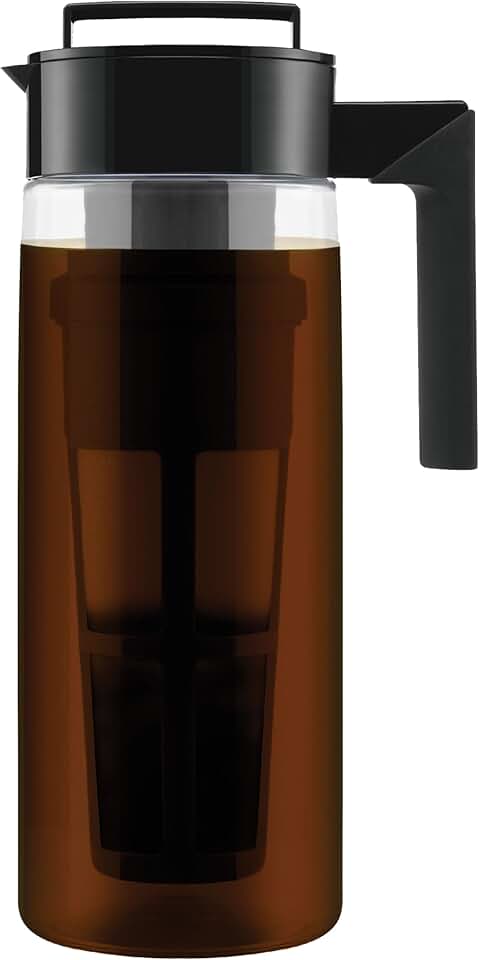
BPA-free Tritan pitcher designed for durability and flavor neutrality · Fine-mesh filter creates a smooth, sediment-free brew · Airtight, leak-proof lid for storing concentrate in the refrigerator
This pitcher offers a user-friendly and durable solution for brewing and storing cold brew concentrate.

Large 20" x 20" size designed for commercial-grade cold brew systems · Durable filter material effectively separates coffee grounds · Pack of 50 filters for continuous brewing needs
Essential for those using larger, commercial-style cold brew makers, ensuring clean and efficient filtration.
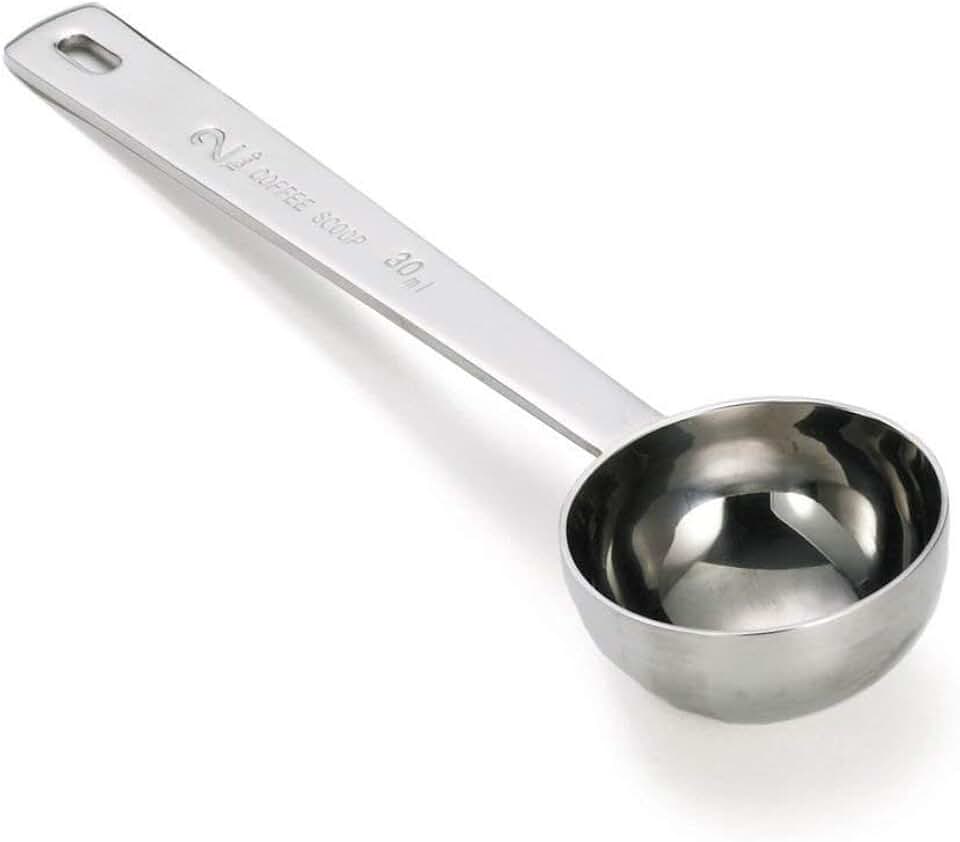
Made from durable stainless steel · Precisely measures 2 tablespoons (30ml) of coffee grounds · Long handle provides a comfortable grip and reach
A simple yet crucial tool for accurately measuring coffee grounds for consistent cold brew results.
As an Amazon Associate I earn from qualifying purchases. Prices may vary.
No comments yet. Be the first to share your thoughts!