

Cold Brew Ratios: A Visual Guide
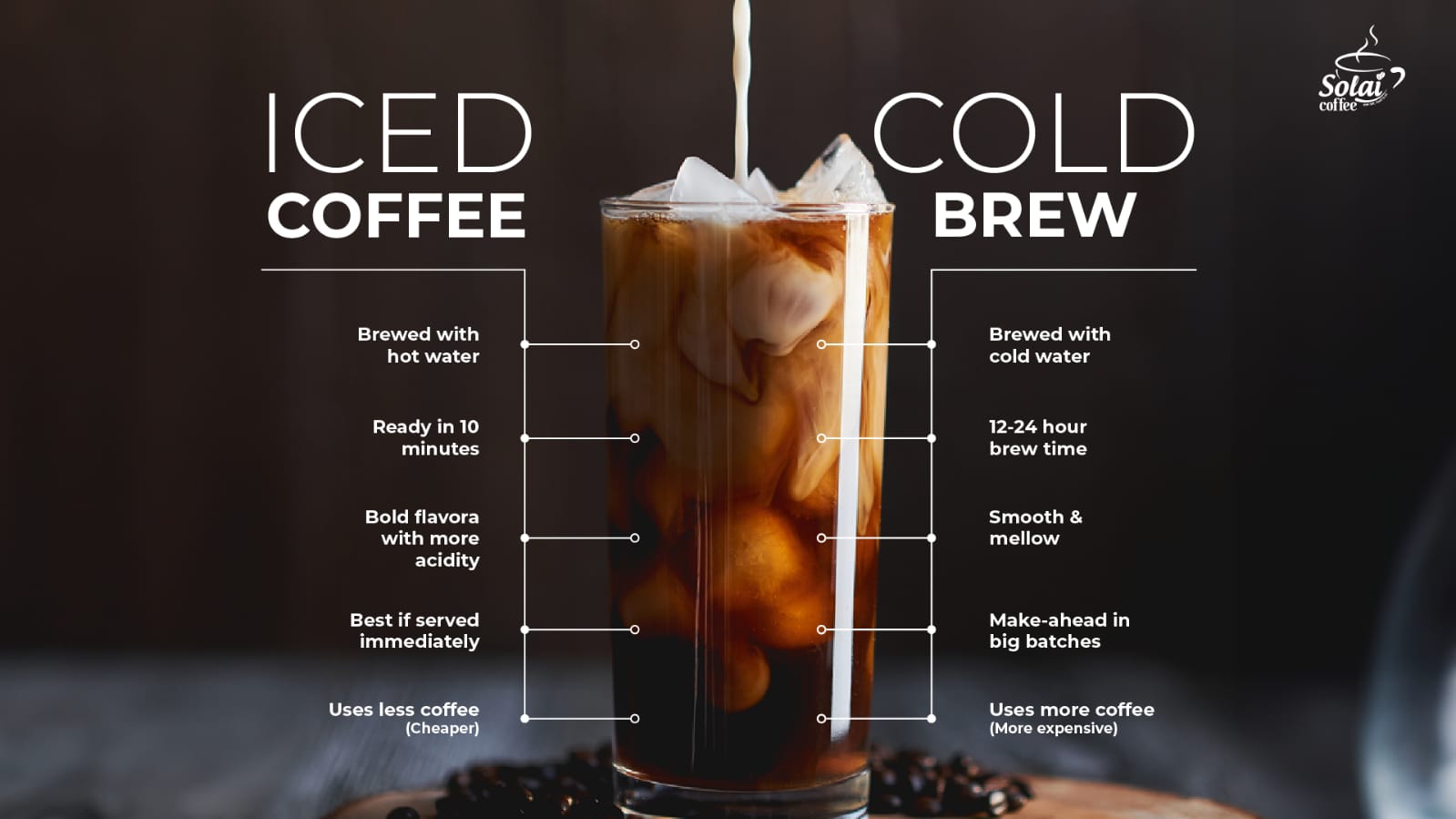
Cold brew's simplicity belies its nuance. The core is the coffee-to-water ratio, but there's no single perfect formula. This guide covers the common ratios—1:4, 1:8, and 1:12—and their strengths and weaknesses to help you find what suits your taste and brewing style.
Each ratio creates a different concentration, affecting flavor and body. A lower number (1:4) yields a strong concentrate needing more dilution, while a higher number (1:12) produces a lighter one needing less. These ratios impact the final cup and serve as starting points for exploration.
The best ratio is the one you enjoy most. Beyond numbers, bean origin, roast level, and brewing time all play a role. Experiment to craft a cold brew tailored to your palate.
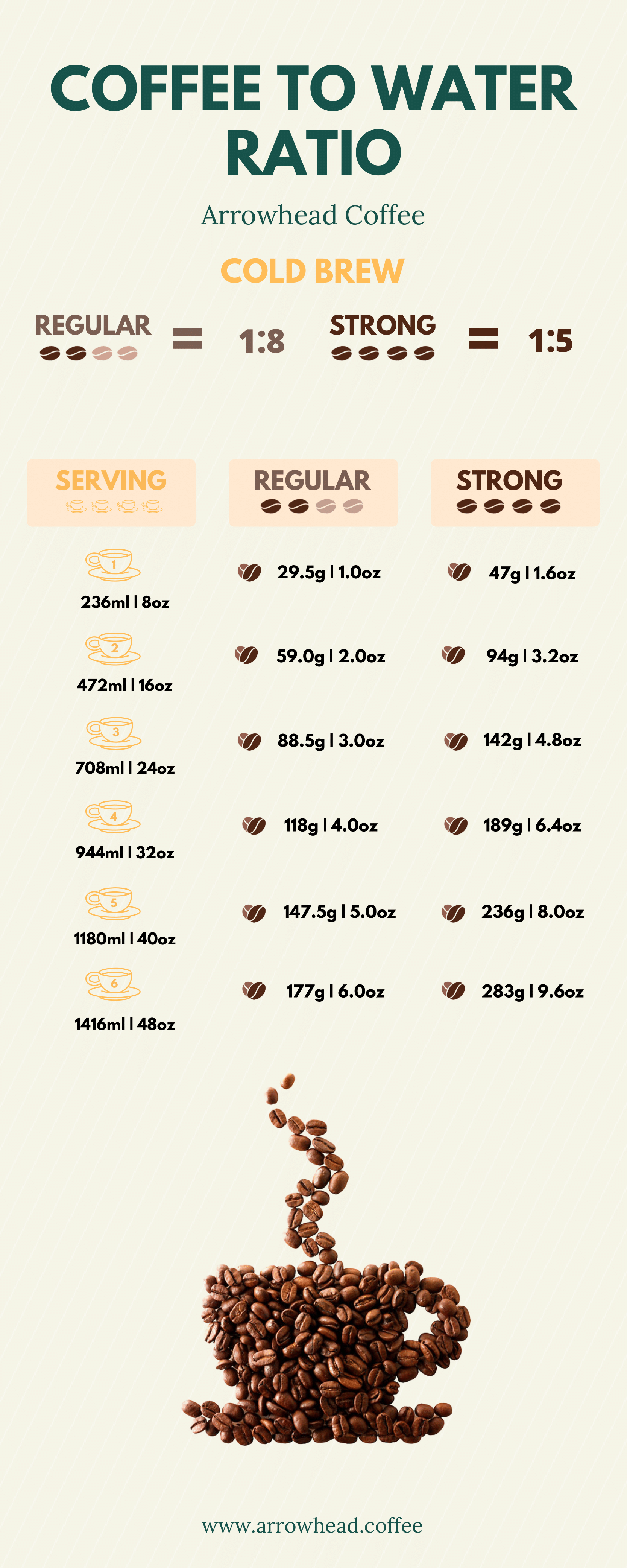
Decoding the 1:4 Ratio
The 1:4 ratio (one part coffee to four parts water) produces a strong concentrate. Professionals often use it for efficiency, as it minimizes the concentrate volume needed for a large batch of finished cold brew. Counter Culture Coffee notes this as a common starting point for commercial operations.
This ratio isn't for everyone. It's easy to brew something too strong, bordering on bitter. The intense concentration means a small miscalculation can unbalance the brew. It demands precision and aggressive dilution. Without careful dilution, it can overwhelm delicate coffee nuances.
Coarser grinds work best with the 1:4 ratio. Finer grinds can lead to over-extraction and an unpleasant flavor. A coarser grind slows extraction, preventing bitterness. Expect longer steep times, typically 18-24 hours, for maximum flavor extraction without harshness.
This ratio suits coffees that can handle intensity, like dark roasts with bold, chocolatey notes or earthy Sumatran coffees. Lighter, floral coffees may get lost. It's a powerful tool requiring a confident hand.
The Popular 1:8 Ratio
The 1:8 ratio is a popular starting point for home cold brewers. It balances strength and ease of use, offering a flavorful but not overwhelming concentrate. It's forgiving, ideal for beginners. Most people are happy with a 1:8 brew immediately.
Compared to 1:4, 1:8 produces a less intense concentrate. Dilution is still needed, but less. Espro.com suggests a 1:10 dilution for a ready-to-drink beverage, meaning the 1:8 concentrate is already close to desired strength. This is convenient for those who don't want to spend much time experimenting with dilution.
Grind size is important with 1:8, but offers more leeway. A medium-coarse grind is generally recommended, but you can experiment with slightly finer grinds without the over-extraction issues seen with 1:4. The 1:8 ratio also scales up or down well, with proportions remaining consistent for single servings or gallons.
This ratio is versatile and works well with many coffees, from bright Ethiopian Yirgacheffe to balanced Central American blends. The 1:8 ratio lets each bean's unique characteristics shine. It's a solid all-around choice for starting your cold brew journey.
Exploring the 1:12 Ratio
The 1:12 ratio is the most diluted, resulting in a lighter, tea-like concentrate. It's a good option for those who prefer less intense coffee flavor or a ready-to-drink brew with minimal dilution. This subtle approach prioritizes smoothness and drinkability.
The resulting concentrate is significantly weaker than 1:4 or 1:8 ratios. You might add very little water, or none, depending on preference. This ratio highlights nuanced coffee flavors, rather than overpowering them with intensity.
This ratio doesn't work well with all beans. It shines with lighter roasts, accentuating floral aromas and delicate fruit notes. With darker roasts, the flavor can seem thin and weak. Experiment with different beans to find what works best.
This ratio is also a good choice for cocktails or other mixed drinks. The milder flavor won’t clash with other ingredients, allowing the coffee to complement, rather than dominate, the overall flavor profile.
Taste Test: How Ratios Change Flavor
Ratio impacts more than strength; it alters the coffee experience. A 1:4 brew is bold and syrupy, with a full-bodied mouthfeel and intense aroma. Acidity is often muted, replaced by lingering sweetness. It's a coffee that demands attention.
Moving to 1:8, the texture becomes smoother and more balanced. Acidity becomes more noticeable, offering a pleasant brightness that cuts through richness. Flavors are concentrated but more refined and approachable. It's a coffee you can savor over a longer period.
undefined subtle and nuanced, encouraging you to pay close attention to the coffee’s inherent characteristics.
These ratios also interact with bean origin. An Ethiopian Yirgacheffe brewed at 1:4 might become overly intense, losing its delicate floral notes. The same bean at 1:12 could be a revelation, showcasing its complex aromas and bright acidity. Conversely, a Sumatran Mandheling brewed at 1:12 might lack the earthy depth it needs to truly shine. Brewing time also plays a role – a longer steep will generally extract more flavor, regardless of the ratio.
- 1:4: Bold, syrupy, intense, muted acidity
- 1:8: Smooth, balanced, refined, noticeable acidity
- 1:12: Light, refreshing, delicate, bright acidity
Cold Brew Ratio Comparison: Flavor Profile Guide
| Ratio | Body | Acidity | Sweetness | Bitterness |
|---|---|---|---|---|
| 1:4 (Coffee:Water) | Full, syrupy | Balanced to muted | Medium to high | Medium |
| 1:8 (Coffee:Water) | Medium, rounded | Bright, noticeable | Medium | Low to medium |
| 1:12 (Coffee:Water) | Light, clean | Bright, crisp | Low to medium | Very low |
| 1:4 - Light Roast | Medium-Full, smooth | Bright, potentially tart | Medium | Low |
| 1:8 - Medium Roast | Medium, well-rounded | Balanced, pleasant | Medium | Low |
| 1:12 - Dark Roast | Light-Medium, delicate | Muted, chocolatey | Medium-High | Medium |
Illustrative comparison based on the article research brief. Verify current pricing, limits, and product details in the official docs before relying on it.
Dilution & Serving Suggestions
Dilution is key to unlocking the full potential of your cold brew concentrate. For a 1:4 concentrate, start with a 1:1 dilution (equal parts concentrate and water) and adjust to taste. For a 1:8 concentrate, a 1:2 or 1:3 dilution is a good starting point. With a 1:12 concentrate, you may only need a splash of water or even enjoy it straight.
Serving methods are endless. Iced coffee is the classic choice, but cold brew lattes are equally delicious. For a latte, combine your diluted cold brew with your milk of choice and a touch of sweetener, if desired. I've found that the 1:4 concentrate is particularly fantastic in coffee cocktails, adding a powerful coffee kick.
Remember, these are just guidelines. Don’t be afraid to experiment with different dilution ratios to find what suits your palate. Some people prefer a stronger brew, while others prefer something lighter and more refreshing. It’s all about personal preference. Adjusting the amount of water or milk is the easiest way to customize your cold brew.
- 1:4 Concentrate: Start with 1:1 dilution, adjust to taste.
- 1:8 Concentrate: Start with 1:2 or 1:3 dilution.
- 1:12 Concentrate: Minimal dilution, or enjoy straight.
Amazon Finds: Cold Brew Essentials
If you’re serious about cold brew, having the right equipment can make all the difference. Amazon offers a wide range of tools to help you brew the perfect batch. A digital kitchen scale is essential for accurately measuring your coffee grounds and water, ensuring consistent results. Look for one that measures in grams for the best precision.
Mason jars are a classic and affordable option for cold brew. Wide-mouth jars are easier to clean and work with. For a more dedicated solution, consider a cold brew maker with built-in ratios. Several models on Amazon offer pre-set ratios, taking the guesswork out of the process. Hario and Toddy are popular brands.
Finally, don’t underestimate the importance of a good filter. Reusable stainless steel filters are a sustainable and cost-effective option. Paper filters provide a cleaner brew, but require more frequent replacement. Consider what's important to you and choose accordingly.
- Digital Kitchen Scale: For accurate measurements.
- Wide-Mouth Mason Jars: Classic and affordable brewing vessels.
- Cold Brew Makers: Pre-set ratios for convenience.
- Reusable Stainless Steel Filters: Sustainable and cost-effective.
Essential Gear for Your Perfect Cold Brew Ratio

Precise 0.1g accuracy for accurate measurements · Built-in auto-timer for brewing consistency · USB-C rechargeable for convenience
This scale provides the precision needed to accurately measure coffee grounds and water for consistent cold brew ratios.

Durable clear glass construction · Airtight lids and bands for freshness · 32 oz capacity, ideal for batch brewing
These versatile jars are perfect for brewing and storing cold brew concentrate, offering an airtight seal to maintain freshness.
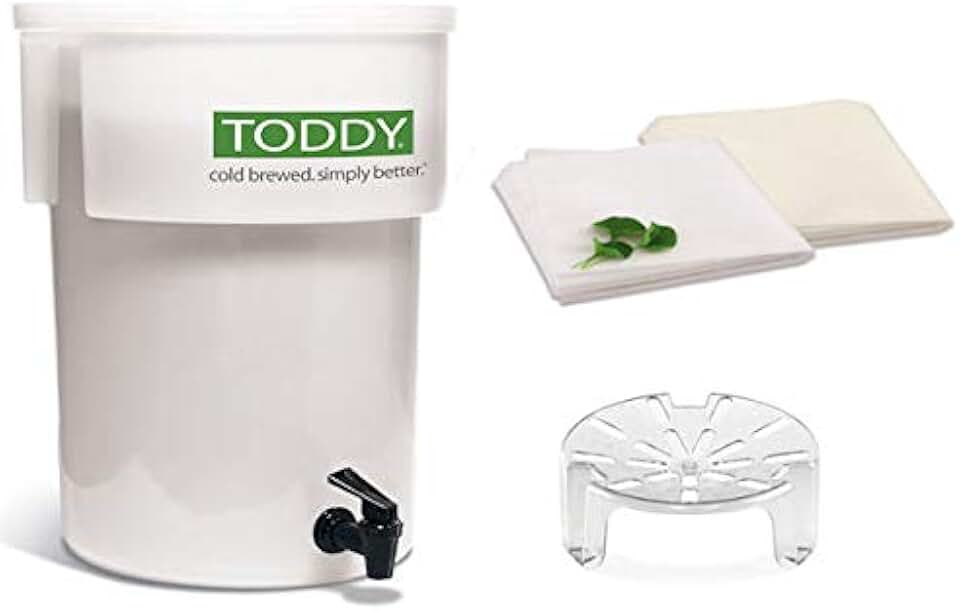
Complete cold brew system · Includes brewing container, lid, and filters · Designed for smooth, full-bodied cold brew
The Toddy system is a classic choice for making smooth, low-acidity cold brew concentrate with its integrated filtration.

Compact 600ml capacity · Features a removable mesh filter · Simple and elegant design for countertop use
This Hario pot offers a user-friendly and compact way to brew cold brew directly in the refrigerator, with an easy-to-clean filter.

Large 20" x 20" size · Commercial-grade filtration · Pack of 50 for frequent use
These commercial-grade filters ensure a clean, sediment-free cold brew when using larger batch systems, essential for clarity.
As an Amazon Associate I earn from qualifying purchases. Prices may vary.
Ratio Tweaks & Experimentation
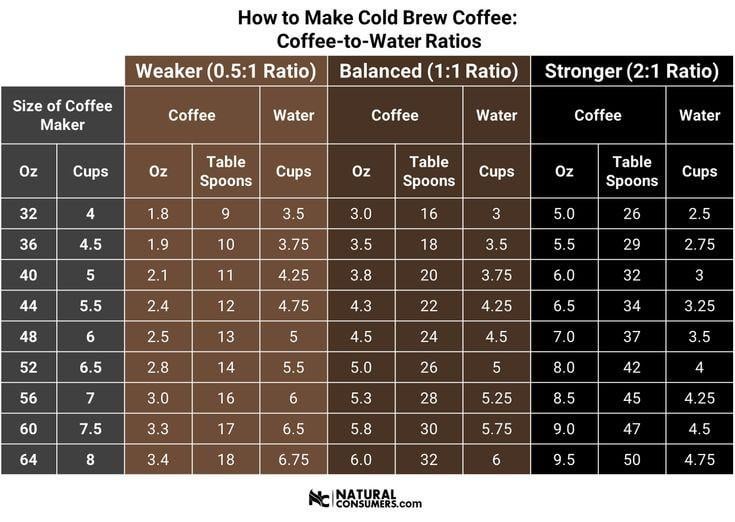
Don’t be afraid to deviate from the standard ratios! Factors like bean type, roast level, and grind size can all influence the ideal ratio for your taste. Lighter roasts might benefit from a slightly lower ratio (closer to 1:8 or 1:10), while darker roasts can handle a stronger ratio (closer to 1:4 or 1:5).
I've found that slightly adjusting the ratio can make a big difference, even if it’s just a matter of a gram or two of coffee. Keeping a brewing journal is a great way to track your experiments and identify what works best. Note the bean origin, roast level, grind size, ratio, steep time, and your overall impression of the final brew.
Start with the 1:8 ratio as your baseline, and then make small adjustments up or down. Pay attention to how each change affects the flavor and body of the cold brew. Experimentation is the key to unlocking your perfect cold brew recipe.
No comments yet. Be the first to share your thoughts!