

Beyond the Filter: Rethinking Cold Brew Waste
It’s easy to think of your morning cold brew as a simple pleasure, but the process can generate a surprising amount of waste. From disposable filters to packaging, a standard batch can contribute more to landfills than many realize. Luckily, a growing number of coffee lovers are embracing zero-waste brewing, and it's not just about environmental responsibility. Reducing waste can also save you money in the long run.
The idea is simple: minimize what ends up in the trash. This approach is gaining traction as consumers become increasingly aware of the environmental impact of their choices. People are actively searching for ways to reduce their carbon footprint, and that extends to their daily coffee ritual. It’s a shift towards mindful consumption, and cold brew, with its slower, more deliberate process, is a natural fit.
This isn’t about radical lifestyle changes, either. Small adjustments to your brewing routine can make a big difference. We’ll explore practical, actionable steps you can take today to enjoy delicious cold brew while minimizing your impact on the planet. It’s about making informed decisions and finding sustainable alternatives to traditional methods.
Coffee Grounds: From Trash to Treasure
Spent coffee grounds are arguably the biggest source of waste in the cold brew process, but they’re far from useless. Instead of tossing them, think of them as a valuable resource. Composting is the most popular option, and it’s incredibly beneficial for your garden. Coffee grounds are rich in nitrogen, making them an excellent addition to your compost pile.
For home composting, aim for a ratio of roughly one part coffee grounds to three parts other compost material (leaves, grass clippings, fruit scraps). If you don’t have space for a home compost, check if your community offers composting programs or drop-off locations. Coffee grounds also make a fantastic fertilizer, especially for acid-loving plants like blueberries, azaleas, and roses. Simply sprinkle a thin layer around the base of your plants.
Beyond gardening, coffee grounds have surprising cleaning abilities. Their mild abrasiveness makes them effective for scrubbing pots and pans, though avoid using them on delicate surfaces. You can even find recipes for DIY coffee scrubs for your skin – just be sure to test a small area first. While less accessible for most home brewers, research is being done on converting coffee grounds into biofuel, though this is still in early stages of development.
Don't underestimate the power of sharing! Offer your used grounds to friends, neighbors, or local gardening groups. Reducing waste is a community effort.
Filter Forward: Reusable Options Compared
Disposable paper filters are convenient, but they contribute significantly to landfill waste. Switching to a reusable filter is one of the most impactful changes you can make. Several materials are available, each with its own pros and cons. Stainless steel filters are popular for their durability and ability to produce a full-bodied brew. They’re relatively inexpensive, typically ranging from $15 to $30 depending on size and quality.
Cloth filters, often made from organic cotton or hemp, offer a different flavor profile – some say they produce a cleaner, brighter cup. They require more maintenance than stainless steel, as they need to be thoroughly cleaned and dried after each use to prevent mold. Nylon filters are another option, known for their fine mesh and ability to filter out even the smallest particles. However, they aren't as environmentally friendly as steel or cloth.
A common concern with stainless steel filters is potential oil buildup, which can affect the flavor of your cold brew. To prevent this, rinse the filter thoroughly with hot water after each use and occasionally deep clean it with a mild detergent. Cloth filters should be boiled periodically to sanitize them. The environmental impact of disposable filters is substantial. Consider that a single person using a paper filter daily for a year could generate over 365 filters of waste.
Reusable Cold Brew Filter Material Comparison
| Material | Cost | Durability | Cleaning Effort | Flavor Influence | Environmental Consideration |
|---|---|---|---|---|---|
| Stainless Steel | Moderate | High | Easy | Neutral | Generally Low (recyclable material, long lifespan) |
| Cloth (Cotton/Hemp) | Low | Medium | Medium | Slight | Low (biodegradable, renewable resource, but potential for wear & tear) |
| Nylon | Low | Medium | Medium | Noticeable | Moderate (plastic-based, less biodegradable, but durable) |
| Polyester | Low | Medium | Easy | Slight | Moderate (plastic-based, less biodegradable, but durable and easy to clean) |
| Bamboo | Moderate | Medium | Medium | Neutral | Moderate (renewable resource, biodegradable, but may require specific care) |
Qualitative comparison based on the article research brief. Confirm current product details in the official docs before making implementation choices.
Brewing Vessels: Glass is Good, But...
Glass containers are an excellent choice for cold brew. They’re non-reactive, meaning they won’t impart any flavors to your coffee, and they’re easy to clean. Plus, you can clearly see the brewing process, which is aesthetically pleasing. However, glass is fragile. Accidents happen, and broken glass is a safety hazard.
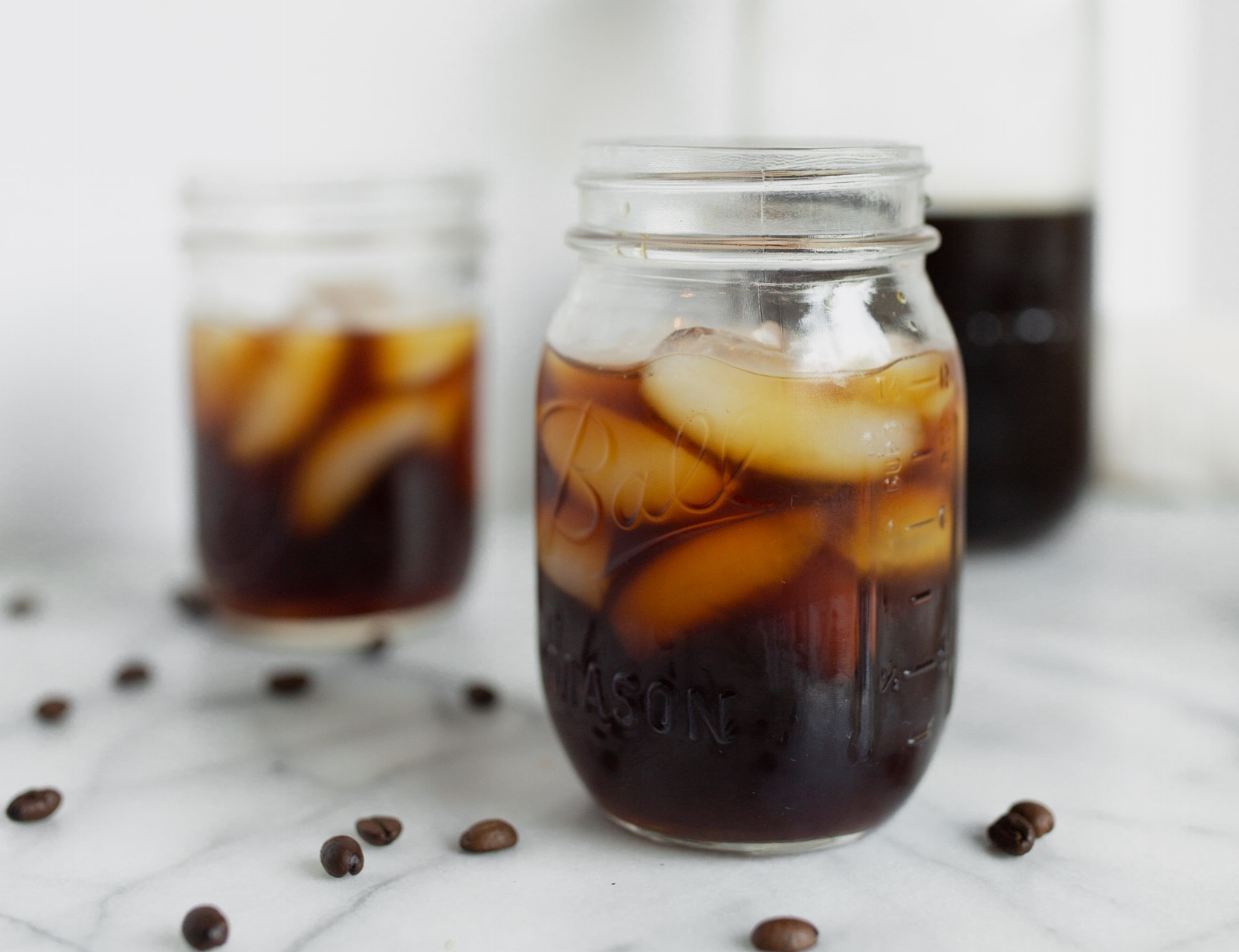
If you’re prone to dropping things, or if you have young children or pets, consider durable, food-grade plastic or stainless steel alternatives. Repurposing containers you already have is the most sustainable option. An old mason jar, a pitcher, or even a large water bottle can work perfectly well. Regardless of the material, ensure your brewing vessel h
Proper storage is also key to minimizing waste. Once brewed, transfer your cold brew concentrate to an airtight glass bottle or jar to keep it fresh in the refrigerator. This will also prevent any odors from being absorbed.
DIY Cold Brew Concentrates: Reducing Packaging
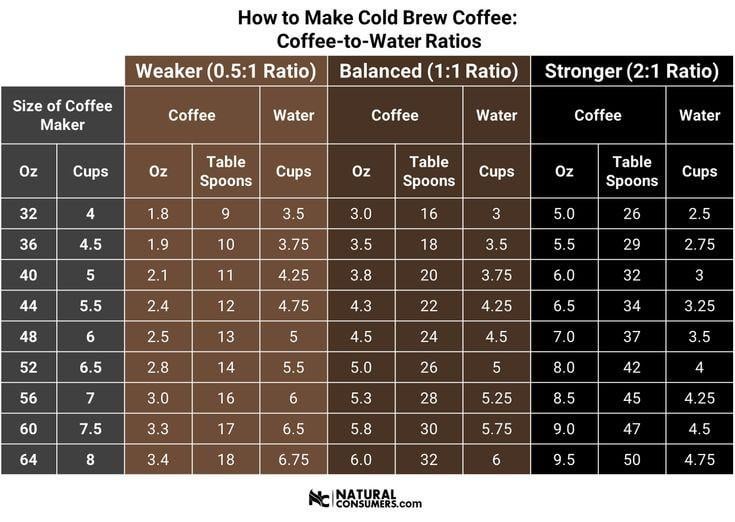
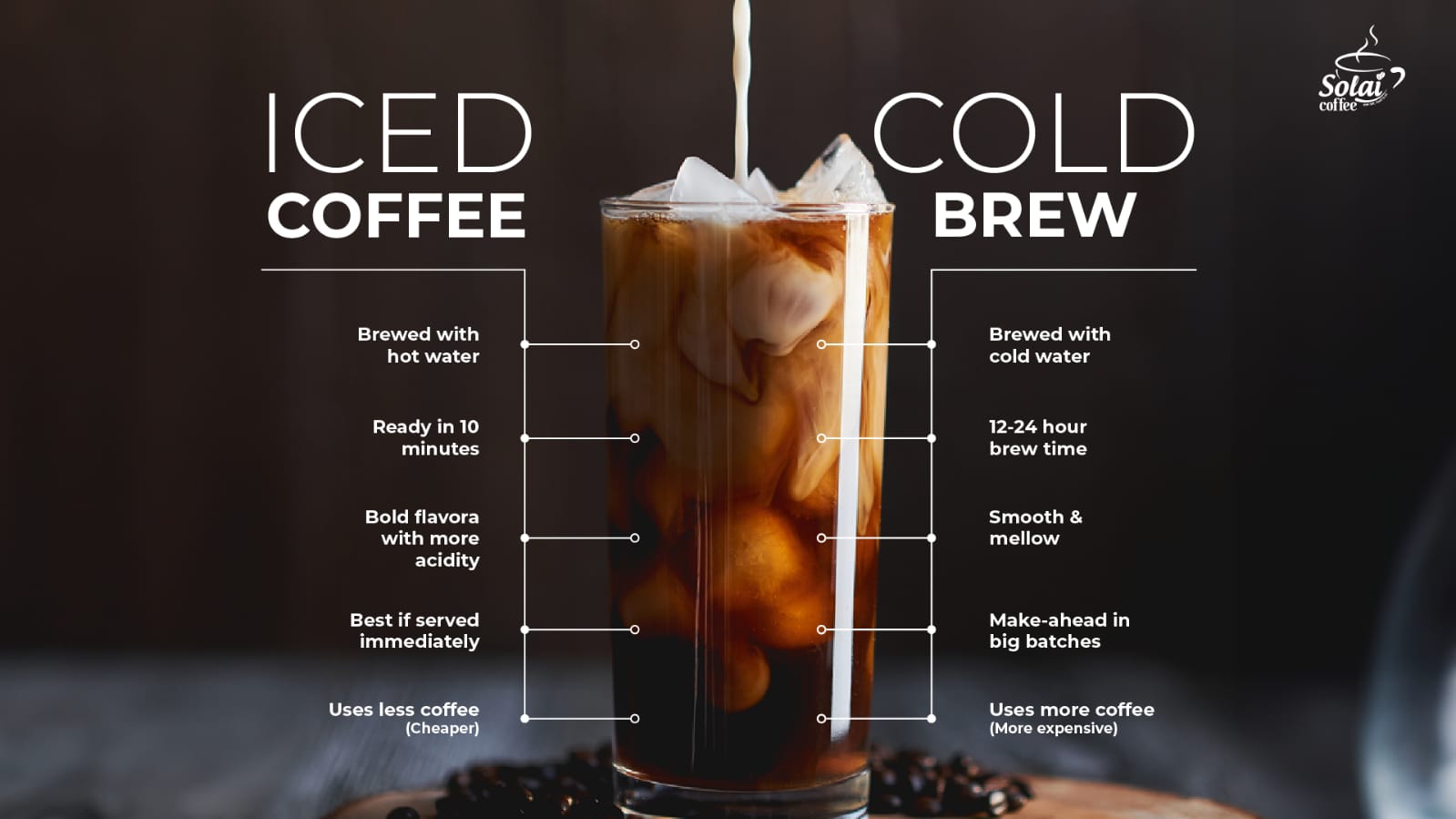
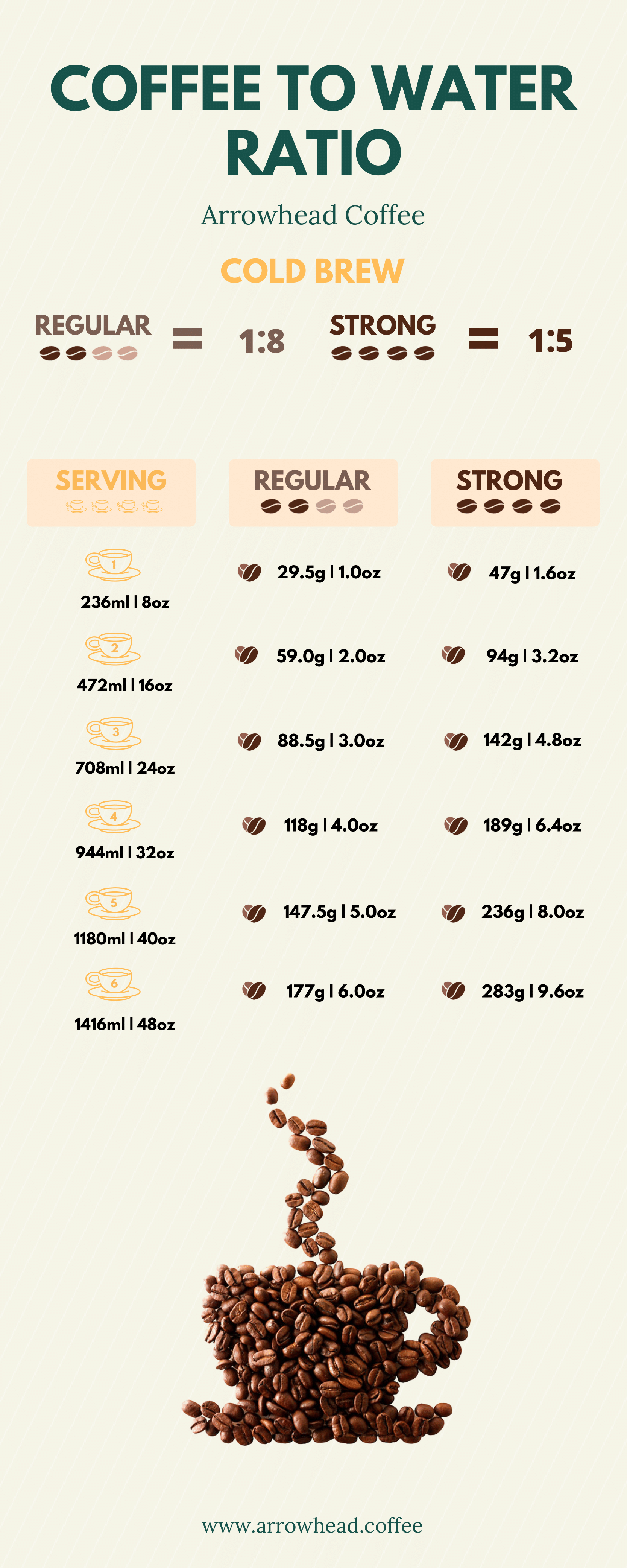
Pre-made cold brew concentrates often come in plastic or glass bottles, contributing to packaging waste. Making your own concentrate is a simple way to reduce this waste significantly. A basic recipe involves steeping coarsely ground coffee in water for 12-24 hours, then filtering out the grounds. Experiment with different coffee-to-water ratios to find your preferred strength – a common starting point is 1:8 (1 part coffee to 8 parts water).
Once you’ve brewed your concentrate, store it in reusable glass bottles or jars. This not only reduces waste but also allows you to control the quality and freshness of your brew. Making your own concentrate is also considerably cheaper than buying pre-made bottles. A pound of whole bean coffee, costing around $15-$20, can yield several batches of concentrate.
Don’t be afraid to get creative with your concentrate! Add spices like cinnamon or cardamom during the brewing process for a unique flavor profile. It's a fun and customizable way to enjoy cold brew while minimizing your environmental impact.
Sourcing Coffee: Ethical and Low-Waste Beans
The sustainability of your cold brew extends beyond the brewing process itself. The way your coffee beans are sourced matters. Look for roasters committed to ethical and environmentally responsible practices. This includes using eco-friendly packaging, supporting fair trade initiatives, and prioritizing transparency in their supply chain.
Many roasters now offer beans in compostable or recyclable packaging. Buying whole bean coffee and grinding it yourself is another excellent step. This reduces packaging waste and ensures maximum freshness. Pre-ground coffee loses its flavor more quickly and often comes in less sustainable packaging. The transportation of coffee beans also has a carbon footprint.
Consider supporting local roasters to reduce transportation distances. While it’s difficult to eliminate the environmental impact of shipping entirely, making informed choices about where you buy your coffee can make a difference. Look for certifications like Fair Trade or Rainforest Alliance, which indicate that the coffee was produced under specific social and environmental standards.
Sustainable Coffee Roasters
- Stumptown Coffee Roasters - Stumptown prioritizes direct trade relationships with farmers, ensuring fair prices and quality. They focus on transparency in their supply chain and invest in long-term partnerships with coffee producers.
- Intelligentsia Coffee - Intelligentsia is committed to direct trade and works closely with farmers to improve coffee quality and sustainability. They actively support initiatives that promote environmental stewardship and community development in coffee-growing regions.
- Counter Culture Coffee - Counter Culture focuses on sustainability throughout its operations, from sourcing to packaging. They are a B Corp certified company and emphasize transparency and ethical sourcing practices, including paying above fair trade prices.
- Allegro Coffee - Allegro, a brand of Whole Foods Market, prioritizes Fair Trade Certified and organic coffees. They are committed to supporting sustainable farming practices and improving the livelihoods of coffee farmers.
- Equal Exchange - Equal Exchange is a worker-owned cooperative that pioneers fair trade. They build direct relationships with small-scale farmer cooperatives, ensuring fair prices and democratic control over the coffee trade.
- Dean's Beans Organic Coffee Co. - Dean's Beans is dedicated to organic, fair trade, and sustainable coffee production. They invest in community development projects in coffee-growing regions and prioritize environmental protection.
- Larry's Coffee - Larry's Coffee focuses on direct trade and organic certifications. They emphasize building lasting relationships with farmers and supporting sustainable agricultural practices.
Cleaning & Maintenance: Gentle is Green
Eco-friendly cleaning is an essential part of zero-waste cold brew. Avoid harsh chemicals and abrasive cleaners, which can harm the environment and leave residue on your equipment. A simple solution of vinegar and water is effective for cleaning glass and stainless steel. Baking soda can be used as a gentle abrasive for stubborn stains.
Properly drying your equipment after cleaning is crucial to prevent mold growth. Allowing everything to air dry completely is the most energy-efficient method. Avoid disposable cleaning wipes and sponges, which often contain microplastics. Opt for reusable cloths or brushes instead. These can be washed and reused repeatedly, reducing waste.
Zero-Waste Cold Brew in 2026: What's Next?
The future of sustainable cold brew looks promising. We can expect to see more innovative reusable filters emerge, potentially made from even more sustainable materials. Compostable packaging for coffee beans is also likely to become more widespread. Closed-loop coffee systems, where coffee waste is collected and repurposed, could become increasingly common.
Technology will likely play a role in optimizing brewing processes and reducing waste. AI-powered brewing devices could potentially adjust brewing parameters to minimize coffee grounds usage and energy consumption. The growing movement towards sustainable coffee consumption is a positive sign. As consumers become more aware of the environmental impact of their choices, demand for sustainable cold brew options will continue to increase.
Ultimately, the goal is to create a more circular system where coffee waste is minimized and resources are used responsibly. It's a continuous journey, but one that's well worth taking for the sake of our planet and our enjoyment of this beloved beverage.
No comments yet. Be the first to share your thoughts!