

Cold brew bean forecast for 2026
Cold brew continues its steady climb in popularity, and 2026 looks to be another strong year for the chilled coffee segment. We've seen a marked shift in consumer preference, moving away from generic coffee and toward single-origin, specialty beans. People are genuinely interested in where their coffee comes from and how it’s processed. This isn’t just a trend; it’s a fundamental change in how people approach coffee consumption.
Looking ahead to 2026, a few key themes are emerging. Sustainability is no longer a niche concern, it's a baseline expectation. Expect to see more demand for coffees grown using regenerative agriculture practices and with full traceability. Flavor-wise, coffees with bright acidity and complex fruit notes are gaining traction, alongside those offering unique floral aromas. I think we’ll also see more exploration of less-common origins, as consumers become more adventurous.
Choosing the right bean is even more important for cold brew than it is for hot coffee. The extended steeping time really pulls out everything – the good and the bad. A poorly chosen bean will result in a muddy, unbalanced brew. A great bean, however, will deliver a cold brew experience that’s unbelievably smooth, nuanced, and satisfying. It’s a difference you can absolutely taste.
The coming year will likely see a greater emphasis on nuanced flavor profiles. Consumers are leaving behind the "burnt" or overly dark roasts, and are gravitating towards lighter roasts that allow the intrinsic characteristics of the bean to shine. This shift in preference directly influences the beans that will perform best in a cold brew setup.
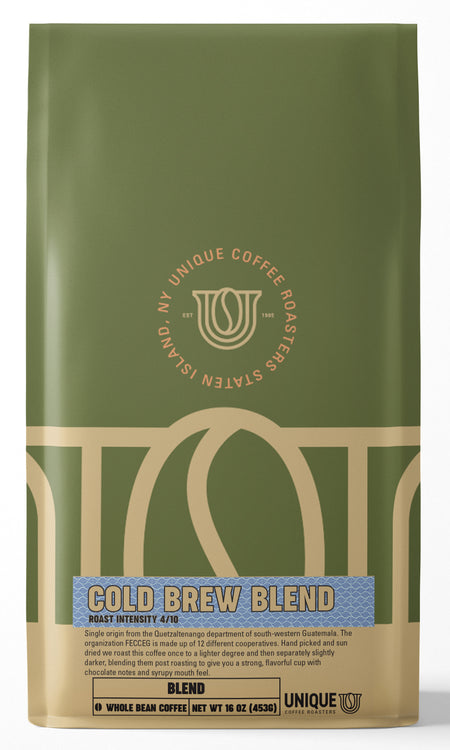
Single-origin beans vs. blends
The magic of cold brew lies in its long, slow extraction. Unlike hot brewing, which relies on heat to quickly pull flavor compounds from the coffee grounds, cold brew gently coaxes them out over 12-24 hours. This extended contact time is incredible for highlighting subtle flavors that would otherwise be lost. This is where single-origin coffees truly shine.
Blends are often formulated to deliver a consistent flavor profile, typically designed for the speed and intensity of hot brewing methods. They prioritize balance and predictability, which isn't necessarily a bad thing, but it often comes at the expense of complexity. The nuances of a specific farm or region get diluted in the mix. I’ve honestly found that many blends produce a somewhat flat, unremarkable cold brew.
Single-origin coffees, on the other hand, are expressions of a specific terroir – the unique combination of soil, climate, and altitude where the coffee is grown. This translates to a more distinctive and layered flavor profile. When you cold brew a single-origin bean, you're not just tasting coffee; you're tasting a place. You're experiencing the unique characteristics of that particular farm and harvest.
A blend is a chord; a single-origin is a solo instrument. You get to hear the individual notes. When I use a Sky Cold Brew system, I want to taste the specific soil of a Huila hillside, not a smoothed-over average of three different continents.
Top 15 Single-Origin Beans for 2026
Here are 15 single-origin beans that I predict will deliver exceptional cold brew in 2026, spanning a range of flavor profiles and price points. I’ve included suggested starting ratios, but remember these are just guidelines – experimentation is key! Tasting notes are compiled from reviews on sites like Coffee Review and direct from roaster descriptions.
- Ethiopia Yirgacheffe Kochere: (Light Roast) This classic Ethiopian offers a bright, floral aroma with notes of bergamot and lemon. Ideal ratio: 1:8. Expect a clean, delicate cup. ($22/12oz)
- Kenya AA Kirinyaga (Medium-Light): This has a sharp black currant flavor that cuts through ice. I use a 1:10 ratio for a punchy morning cup. ($25/12oz)
- Colombia Huila: (Medium Roast) A balanced and approachable coffee with notes of caramel and almond. Ratio: 1:12. A great all-rounder. ($18/12oz)
- Sumatra Mandheling: (Medium-Dark Roast) Earthy and full-bodied, with hints of chocolate and spice. Ratio: 1:8. A bolder, more intense cold brew. ($20/12oz)
- Guatemala Antigua: (Medium Roast) Smoky and chocolatey with a smooth finish. Ratio: 1:10. A well-rounded and satisfying option. ($21/12oz)
- Costa Rica Tarrazu: (Medium-Light Roast) Bright and clean with notes of citrus and honey. Ratio: 1:12. A refreshing and balanced brew. ($23/12oz)
- Panama Geisha (Light): It costs $60 for a small bag because it tastes like jasmine tea and bergamot. Use a 1:15 ratio to keep it light. It is expensive, but the clarity is unmatched.
- Burundi Kayanza: (Medium Roast) Sweet and fruity with notes of red cherry and brown sugar. Ratio: 1:10. A unique and flavorful option. ($24/12oz)
- Rwanda Musasa: (Medium-Light Roast) Bright acidity and notes of grapefruit and black tea. Ratio: 1:12. A refreshing and nuanced brew. ($26/12oz)
- Honduras Copán: (Medium Roast) Chocolatey and nutty with a hint of caramel. Ratio: 1:8. A comforting and familiar flavor profile. ($19/12oz)
- Peru Norte: (Medium-Light Roast) Floral aroma and notes of apple and apricot. Ratio: 1:10. A delicate and flavorful choice. ($20/12oz)
- Tanzania Peaberry: (Medium Roast) Bright acidity and notes of blackcurrant and wine. Ratio: 1:12. A complex and aromatic brew. ($28/12oz)
- Mexico Altura: (Medium Roast) Mild and balanced with notes of chocolate and spice. Ratio: 1:8. A versatile and affordable option. ($16/12oz)
- Bolivia Organic: (Medium-Dark Roast) Full-bodied and chocolatey with a hint of nuttiness. Ratio: 1:10. A rich and satisfying cold brew. ($22/12oz)
- Papua New Guinea: (Medium Roast) Sweet and fruity with notes of pineapple and brown sugar. Ratio: 1:12. A unique and exotic flavor profile. ($27/12oz)
Featured Products

Bold, smooth flavor with a hint of vanilla · High caffeine content for an energizing brew · Fair Trade Certified
This rich, vanilla-infused coffee provides a strong caffeine kick and a smooth flavor profile that complements cold brew.

Bright, complex flavor notes of stone fruit and caramel · Medium-light roast highlights delicate nuances · Single-origin from the renowned Yirgacheffe region of Ethiopia
The vibrant, fruity, and nutty notes of this Ethiopian Yirgacheffe coffee create a sophisticated and refreshing cold brew.

Rich, dark roast with a bold, robust flavor · Certified Organic and Fairtrade · Whole bean for maximum freshness
This dark roast offers a powerful, full-bodied flavor that stands up well to the cold brewing process, delivering an intense coffee experience.

USDA Organic and Kosher certified · Whole bean, fresh roasted for optimal flavor · Distinctive floral and citrus notes characteristic of Yirgacheffe
Experience the pure, aromatic essence of Ethiopian coffee with these organic whole beans, perfect for a clean and bright cold brew.

Medium roast with notes of citrus and dark chocolate · 100% Arabica beans · Balanced and smooth flavor profile
Stumptown's Hair Bender offers a well-rounded, approachable flavor with hints of chocolate and citrus, making it a versatile choice for cold brew.
As an Amazon Associate I earn from qualifying purchases. Prices may vary.
Matching beans to your taste
Understanding flavor profiles is key to choosing a bean you'll love. Floral coffees (like many Ethiopians) offer delicate aromas of jasmine, rose, or bergamot. Fruity coffees (common in Kenya and Rwanda) burst with notes of berries, citrus, or stone fruit. Chocolatey and nutty coffees (often found in Colombia and Guatemala) provide a comforting and familiar taste.
Earthy coffees (like Sumatran Mandheling) have a deeper, more grounding flavor. Acidity is perceived differently in cold brew than in hot coffee. It tends to be smoother, more rounded, and less sharp. This makes even highly acidic coffees enjoyable in cold brew form. You’re less likely to experience that bracing, almost sour sensation.
Don't be afraid to experiment! Try different origins and roast levels to discover what you prefer. Pay attention to how the flavor changes as you adjust the coffee-to-water ratio. A slightly weaker brew can sometimes highlight the more subtle flavors, while a stronger brew will emphasize the body and intensity.
Brew Ratio Experiments
Grind size is critical for cold brew. You want a coarse grind – similar to what you’d use for a French press. A finer grind will result in over-extraction and a bitter, muddy brew. The coffee-to-water ratio is where things get interesting. A 1:4 ratio (1 part coffee to 4 parts water) will produce a strong, concentrated brew that’s perfect for making cold brew concentrate.
A 1:8 ratio is a good starting point for a ready-to-drink cold brew. It's strong enough to be satisfying, but not so strong that it overwhelms the flavors. I’ve found that for brighter, more delicate beans, a 1:12 ratio can really allow the nuances to shine through. It results in a lighter-bodied brew that’s incredibly refreshing.
I’ve spent a lot of time tweaking my ratios, and I’ve learned that there’s no one-size-fits-all answer. It depends on the bean, your personal preference, and how you plan to serve the cold brew. Don’t be afraid to experiment! Start with a 1:8 ratio and adjust from there until you find your sweet spot. Keep a brew journal to track your experiments and results.
Beyond the ratio, water quality matters. Filtered water is always best. I recommend using water that's been filtered to remove chlorine and other impurities, as these can negatively impact the flavor of your cold brew. Remember, cold brew is all about subtlety, so every detail counts.

No comments yet. Be the first to share your thoughts!