

Cold Brew & Nitro: The Visual Difference
When you order cold brew and nitro cold brew side-by-side, the difference is immediately apparent. Cold brew presents as a clear, dark coffee concentrate, often resembling iced coffee but with a deeper color. Nitro cold brew, however, is characterized by its cascading bubbles, similar to a Guinness stout. These tiny bubbles create a creamy, frothy head and a velvety texture that’s distinctly different.
Cold brew itself isn’t a new invention. While its recent surge in popularity is relatively recent, the basic concept of cold extraction has roots stretching back to the 17th century, though its modern form gained traction in Japan with Kyoto-style coffee towers. Nitro cold brew is a much more recent development, really taking off around 2015 with coffee shops like Cuvee Coffee in Austin, Texas, pioneering the technique. It’s an evolution of cold brew, building on the smooth foundation with a textural element.
The visual contrast speaks to the different experiences each drink offers. Cold brew is a straightforward, refreshing coffee experience. Nitro is a bit of a performance, a visually engaging drink that feels more substantial. Ultimately, both start with the same principle – extended coffee steeping – but diverge dramatically in presentation and feel. It's not just about what you taste, but how it looks and feels in your glass.

The Brewing Process: A Deep Dive
Let’s start with cold brew. The process is remarkably simple in theory. You begin with coarsely ground coffee – a medium-dark roast often works well, but we’ll get into bean selection later. This coarse grind is essential; finer grinds can lead to over-extraction and a muddy flavor. The coffee grounds are then steeped in cold or room temperature water for an extended period, typically between 12 and 24 hours. This long steeping time is what differentiates it from iced coffee, which is brewed hot and then chilled.
The ratio of coffee to water varies, but a common starting point is 1:8 – one part coffee to eight parts water. After the steeping period, the coffee concentrate is filtered, usually through a paper filter, a fine-mesh sieve, or a specialized cold brew system like a Toddy. This filtration removes the coffee grounds, leaving you with a smooth, concentrated coffee base. This concentrate is then diluted with water or milk to your desired strength.
Nitro cold brew is cold brew, but with a crucial addition: nitrogen gas. The cold brew concentrate is infused with nitrogen using a specialized system. This typically involves a keg, a nitrogen tank, and a regulator. The nitrogen is forced into the cold brew, creating those signature cascading bubbles and a creamy texture. The equipment is where the complexity lies. You’re not just brewing coffee; you’re managing gas pressure and ensuring proper carbonation.
The key difference is the equipment. You can make cold brew with minimal investment – a jar, a filter, and coffee grounds. Nitro requires a significant upfront cost for the kegging system. Counter Culture Coffee emphasizes the importance of a consistent, coarse grind for optimal cold brew extraction. They also note the flexibility in steep times, allowing for customization based on preference.
The process of infusing nitrogen isn’t simply "adding nitrogen.’ It requires careful control of pressure and temperature to achieve the right level of carbonation and bubble size. Too little nitrogen, and you won"t get the desired effect. Too much, and it can be overly bubbly and disrupt the flavor.
- Grind coffee coarsely.
- Combine coffee and water (1:8 ratio is a good starting point).
- Steep for 12-24 hours.
- Filter the coffee concentrate.
- Dilute to taste.
Flavor & Mouthfeel: What You'll Taste
Cold brew is celebrated for its inherently low acidity. The long, cold extraction process draws out different compounds from the coffee beans than hot brewing, resulting in a smoother, less bitter cup. This makes it easier on the stomach and allows the nuanced flavors of the coffee to shine through. You'll typically experience a clean, sweet flavor profile, often with chocolatey or nutty notes.
Nitro cold brew builds on this foundation, adding a completely unique textural element. The nitrogen infusion creates a cascading effect and a creamy mouthfeel that’s often described as similar to a stout beer. This creaminess isn't from dairy; it's purely a result of the tiny nitrogen bubbles. The perceived sweetness is also enhanced by the texture – the creamy mouthfeel tricks your brain into thinking it’s sweeter than it actually is.
I’m not entirely convinced that nitrogen changes the taste of the coffee itself, but it absolutely alters the perception of taste. It rounds out the flavors, making them feel more integrated and harmonious. Some people report a reduced perception of bitterness, which could be attributed to the smoothing effect of the nitrogen. The choice of bean is still vital to the final result, though.
Different coffee bean origins will also impact the flavor profile of both cold brew and nitro. For example, Ethiopian Yirgacheffe beans often produce a floral, citrusy cold brew, while Sumatran Mandheling beans tend to yield a bolder, earthier brew. The same holds true for nitro – the bean’s characteristics will come through, but they’ll be presented with that signature creamy texture.
Cold Brew vs. Nitro Cold Brew - Flavor Profiles
| Flavor Notes | Acidity | Sweetness | Body |
|---|---|---|---|
| Cold Brew | Often exhibits chocolatey and nutty undertones, sometimes with caramel notes depending on the bean origin. | Generally low, allowing the coffee's natural sweetness to be more prominent. | Medium-bodied, offering a smooth and balanced mouthfeel. |
| Nitro Cold Brew | Similar base flavors to cold brew, but the nitrogen infusion can enhance perceived sweetness and add a creamy texture. | Perceived acidity is often muted due to the nitrogen, resulting in a smoother taste. | Naturally sweeter than traditional cold brew, often reducing the need for added sweeteners. |
| Cold Brew | Flavor complexity can vary significantly based on bean origin and roast level. | Acidity is subdued due to the long, cold brewing process. | Natural sweetness is present, but may require enhancement with simple syrup or other sweeteners for some palates. |
| Nitro Cold Brew | Nitrogen doesn't *add* flavor, but it changes the *perception* of existing flavors, often making them more rounded. | The nitrogen creates a smoother, less acidic experience, but doesn't fundamentally alter the coffee's acidity. | The creamy texture created by nitrogen contributes to a perceived increase in sweetness. |
Illustrative comparison based on the article research brief. Verify current pricing, limits, and product details in the official docs before relying on it.
Bean Selection: What Works Best?
Choosing the right coffee beans is paramount for both cold brew and nitro, but the nuances differ slightly. Generally, medium-dark to dark roasts are preferred for cold brew. The longer extraction time benefits from the developed flavors of a darker roast, bringing out chocolatey, nutty, and caramel notes. However, don’t be afraid to experiment. Lighter roasts can also work, especially if you prefer a brighter, more acidic cold brew.
According to Sky Cold Brew’s guide to best beans, single-origin coffees from Sumatra, Brazil, and Colombia are excellent choices for cold brew. These origins offer a good balance of body, flavor, and sweetness. They also tend to hold up well during the long steeping process. For nitro, I lean towards beans with robust flavor profiles that can stand up to the nitrogen infusion. The texture can sometimes mute delicate flavors.
While darker roasts are common, it isn't a strict rule. A well-executed cold brew with a lighter roast can be incredibly complex and nuanced. The key is to adjust your brewing parameters – steep time and coffee-to-water ratio – to suit the bean. For example, a lighter roast might benefit from a longer steep time to fully extract its flavors.
Consider the origin as well. Central and South American beans often provide a balanced flavor profile suitable for both methods. African beans, like those from Ethiopia and Kenya, can offer brighter, more floral notes that work well in lighter-bodied cold brews. Don't be afraid to blend different beans to create your own signature flavor.
- Sumatra: Earthy, bold, full-bodied.
- Brazil: Nutty, chocolatey, balanced.
- Colombia: Caramel, citrus, well-rounded.
- Ethiopia: Floral, fruity, bright.
Featured Products

100% Arabica Colombian Single Origin · Dark Roast, Whole Bean · Low Acid, Smooth Blend
This gourmet whole bean option provides a strong yet smooth, low-acid profile perfect for experiencing the foundational taste of cold brew.

Mocha Latte Flavor · 8g Protein per serving · Fair Trade Certified
For those seeking a convenient, ready-to-drink option with added protein and a distinct flavor, this pre-made cold brew offers a different approach to enjoying cold coffee.

New Orleans Style with Chicory · Ground for Hot or Cold Brew · 100% Arabica Medium Dark Roast
This ground coffee, featuring the unique addition of chicory, is recommended for its distinctive regional flavor profile that can be adapted for both hot and cold brewing methods.
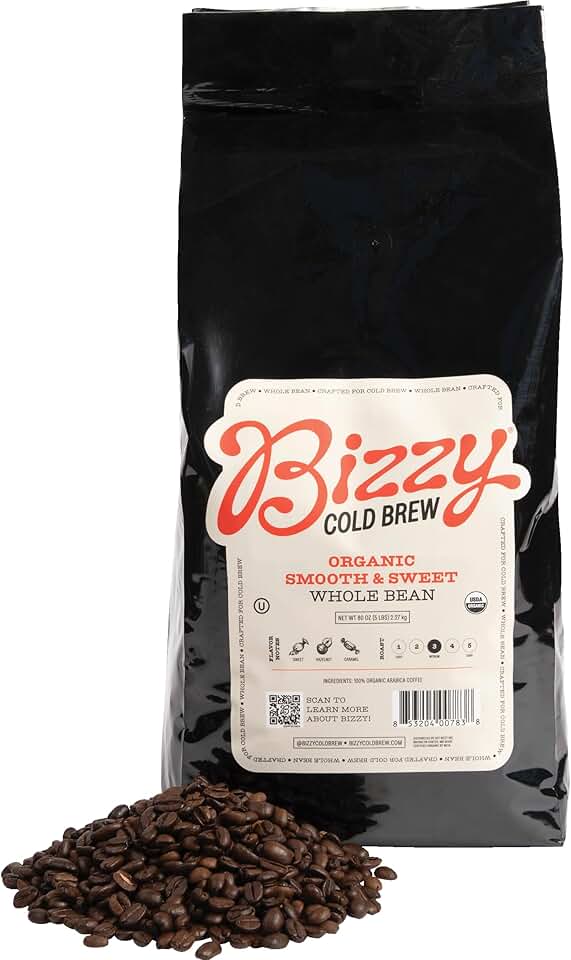
USDA Organic · Smooth & Sweet Blend · Whole Bean, Medium Roast
This large bag of organic, whole bean coffee offers a smooth and naturally sweet medium roast, ideal for home brewers looking for a consistent and high-quality base for their cold brew.

100% Colombian Arabica Freeze Dried Beans · Instant Coffee for Hot or Iced · Medium Roast
While not a traditional cold brew bean, this premium instant coffee is included for its versatility, allowing for quick preparation of both hot and iced coffee, showcasing an alternative to steeped cold brew.
As an Amazon Associate I earn from qualifying purchases. Prices may vary.
Home Nitro Setup: Is It Worth It?
Making nitro cold brew at home is undeniably cool, but it requires a significant investment. The core components are a nitro keg (typically a 5-pound or 10-pound keg), a nitrogen tank, a regulator, and a nitro faucet. These can easily set you back $300 to $600 or more. Then there's the ongoing cost of nitrogen refills.
Is it worth it? That depends on your dedication to coffee and your budget. If you’re a serious coffee enthusiast who enjoys experimenting and appreciates the unique texture of nitro, then it might be a worthwhile investment. However, for the average coffee drinker, the cost and complexity might be prohibitive. There are simpler alternatives, though they won’t replicate the exact experience.
Some people have experimented with using whipped cream dispensers as a makeshift nitro system. While this can create a foamy texture, it doesn’t produce the same cascading bubbles or creamy mouthfeel as a true nitro setup. It's more akin to a coffee with a foamy head. It's a considerably cheaper option, though, if you’re just curious about the effect.
The biggest hurdle isn't just the cost; it's the learning curve. Understanding how to properly regulate the nitrogen pressure and carbonate the cold brew takes practice. You’ll likely go through some trial and error before you achieve the perfect pour. You also need to consider the space required to store the keg and nitrogen tank.

The Original Royal Brew Nitro Cold Brew Coffee Maker - Gift for Coffee Lovers - 64 oz Home Keg, Nitrogen Gas System Coffee Dispenser Kit
- 64 oz home keg capacity
- Includes nitrogen gas system
- Designed for dispensing nitro cold brew coffee
For those looking to replicate the smooth, creamy texture of nitro cold brew at home, the Original Royal Brew Nitro Cold Brew Coffee Maker offers a complete kit to achieve café-quality results right from your kitchen.
View on Amazon →As an Amazon Associate I earn from qualifying purchases.
Cost Breakdown: Cold Brew vs. Nitro
Let's break down the costs. A batch of cold brew, using a pound of coffee at $20, and a gallon of water, might cost around $25-$30, depending on the coffee price. This yields a concentrate that can be diluted to make several servings. The initial investment is minimal – a jar and a filter can cost under $20.
Nitro cold brew is a different story. The initial setup, as mentioned, can range from $300 to $600. Nitrogen refills typically cost around $20-$30 per tank, and you’ll need to replace the tank periodically. Each batch will also consume some nitrogen, adding to the ongoing cost. A single batch of nitro cold brew will likely cost $5-$10 in consumables alone.
Buying cold brew or nitro at a coffee shop is even more expensive. A 16-ounce cold brew typically costs $4-$6, while a 16-ounce nitro cold brew can easily set you back $6-$8 or more. Over time, those coffee shop visits add up. For a frequent consumer, making either at home is almost always more cost-effective.
Beyond the Basics: Variations & Additions
Once you’ve mastered the basics, the possibilities are endless. Flavored cold brews are a popular option. You can add spices like cinnamon or cardamom to the coffee grounds during the steeping process. Vanilla extract or cocoa powder can also be incorporated. Fork in the Kitchen suggests experimenting with different extracts and syrups to create unique flavor combinations.
Cold brew cocktails are another fun way to get creative. Cold brew can be used as a base for coffee-infused cocktails, adding a rich, smooth flavor. Nitro cold brew cocktails are particularly impressive, with the cascading bubbles adding a visual flair. Consider a Cold Brew Old Fashioned or a Nitro Coffee Martini.
Don't forget about additions like sweeteners and milk alternatives. Simple syrup, maple syrup, or agave nectar can be used to sweeten cold brew. Almond milk, oat milk, or coconut milk are popular dairy-free options. You can even create nitro cold brew floats by adding a scoop of ice cream or sorbet.
Different brewing methods also offer unique results. The Toddy cold brew system is a popular choice for its ease of use and consistent results. A French press can also be used for cold brew, but it requires more careful filtration. Slow drip methods, like the Kyoto-style tower, offer a more nuanced extraction.
- Cinnamon
- Cardamom
- Vanilla Extract
- Cocoa Powder
Cold Brew & Nitro Variations
- Vanilla Sweet Cream Cold Brew - Combining cold brew with house-made vanilla sweet cream (heavy cream, vanilla extract, and simple syrup) creates a rich and decadent drink.
- Mocha Nitro Cold Brew - Infusing nitro cold brew with cocoa powder and a touch of sweetener delivers a creamy, chocolatey experience with a cascading nitro effect.
- Cold Brew Old Fashioned - A non-alcoholic twist on the classic cocktail, using cold brew concentrate, orange peel, and a dash of aromatic bitters.
- Spiced Mexican Cold Brew - Cold brew blended with cinnamon, chili powder, and a hint of chocolate for a warming and flavorful beverage.
- Coconut Cream Nitro Cold Brew - Nitro cold brew topped with a generous dollop of coconut cream, offering a tropical and refreshing flavor profile.
- Lavender Vanilla Cold Brew - Infusing cold brew with lavender syrup and vanilla extract creates a floral and aromatic drink.
- Salted Caramel Nitro Cold Brew - A blend of nitro cold brew and salted caramel sauce, offering a sweet and savory combination with a smooth texture.
Troubleshooting: Common Issues & Fixes
Weak cold brew? The most common cause is an insufficient coffee-to-water ratio. Try using more coffee grounds or reducing the amount of water. Another possibility is a short steeping time. Extend the steeping period to 24 hours or even longer. Bitter cold brew usually indicates over-extraction. This can be caused by a too-fine grind or an excessively long steeping time. Try using a coarser grind and reducing the steeping time.
Nitro that won't carbonate? This is usually a problem with the nitrogen system. Check the nitrogen tank to ensure it’s full. Verify that the regulator is properly adjusted and that there are no leaks in the lines. Make sure the cold brew is thoroughly chilled before attempting to carbonate it. Cold brew carbonates much better when it's cold.
Cloudy cold brew can be caused by fine sediment that passes through the filter. Use a finer filter or double-filter the concentrate. If you’re still having problems, let the concentrate settle for a few hours and carefully pour off the clear liquid, leaving the sediment behind. If you are having trouble, check online forums and resources for community solutions.
- Weak Cold Brew: Increase coffee grounds, extend steep time.
- Bitter Cold Brew: Use coarser grind, reduce steep time.
- No Carbonation: Check nitrogen tank, regulator, and temperature.


No comments yet. Be the first to share your thoughts!