

The water quality problem
Most people obsess over beans and grind size, but the water is just as important. I've found that tap water, even from a pitcher, usually tastes like chlorine. On the other end, distilled water is too empty; it leaves the coffee flat because there are no minerals to help the extraction process.
I’ve been experimenting with different filtered waters for months, testing everything from reverse osmosis water to spring water. The results consistently show that water with a moderate mineral content – think around 150-250 ppm – yields the most balanced and flavorful cold brew. Too many minerals and you risk muddying the flavor, too few and you’re left with something thin. It’s a surprisingly delicate balance.
Hard water, common in many regions, can really throw things off. The minerals bind with the coffee’s compounds, leading to a dull and sometimes metallic taste. If you’re unsure about your water, I recommend using a good quality carbon filter, or even better, purchasing filtered water specifically for your cold brew. It’s a small investment that makes a huge difference.
Grind size errors
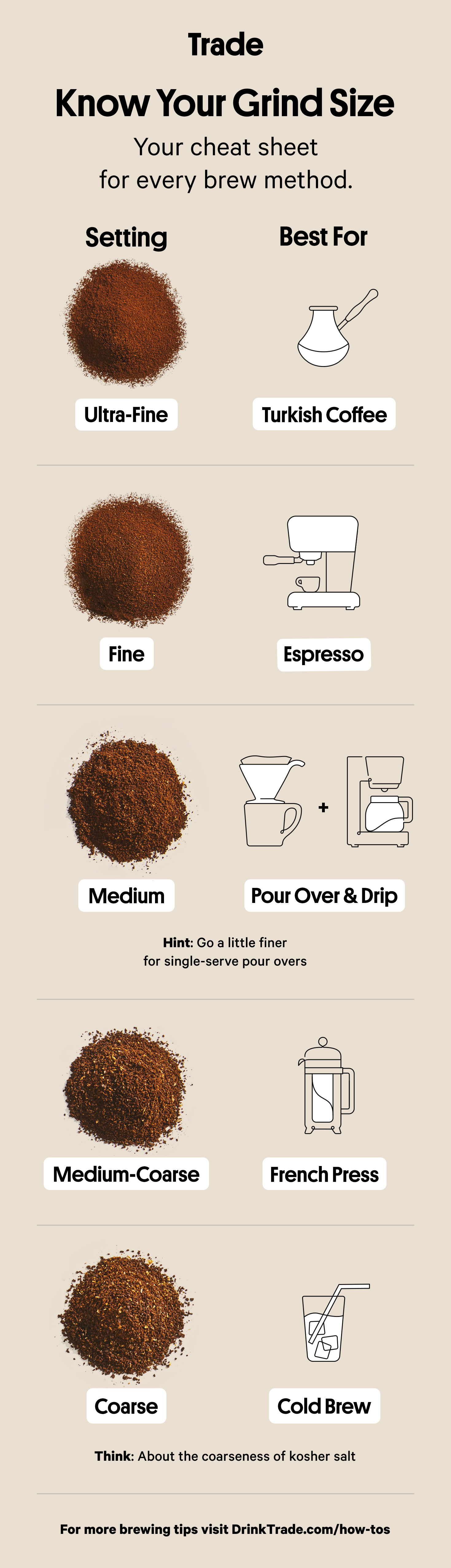
Getting the grind right for cold brew feels simple, but it’s a place where so many people run into trouble. Too fine a grind, and you’re looking at a muddy, over-extracted brew that’s often bitter and sludgy. Too coarse, and you’ll end up with a weak, sour, and under-extracted concentrate. It’s a frustrating situation, but thankfully, avoidable.
The ideal grind size really depends on your brewing method. For a Toddy system, a coarse grind – similar to French press – is best. For a French press cold brew, slightly finer than that. If you’re using a paper filter, you can go a little finer still, but avoid anything resembling espresso-level fineness. I've found a grind that resembles coarse sea salt works well across most methods.
Investing in a burr grinder is non-negotiable. Blade grinders produce an inconsistent grind, with a mix of fine dust and large chunks. This leads to uneven extraction and a less-than-ideal final product. A quality burr grinder, even a hand grinder, will provide a consistent grind and unlock the full potential of your beans.
Bean Choice: Beyond ‘Dark Roast’
The assumption that dark roasts are always best for cold brew is a common one, but it’s not necessarily true. While dark roasts can deliver a bold and chocolatey cold brew, they often lack the nuance and complexity that other roasts can offer. It really depends on your personal preference, but I’m seeing a shift towards lighter, more vibrant beans.
Different bean origins also play a huge role. Ethiopian Yirgacheffe, with its floral and citrus notes, makes a fantastic, bright cold brew. Sumatran Mandheling, with its earthy and full-bodied profile, is another excellent choice. Experimenting is key! Don’t be afraid to try single-origin beans to really understand how different flavors translate to cold brew.
I’m noticing a trend towards lighter, fruitier beans for cold brew in 2026, and I think it's a good one. These beans can create a surprisingly refreshing and complex cold brew that’s perfect for summer. According to Sky Cold Brew’s 2026 Best Beans Guide, Kenyan AA and Colombian Supremo are standout choices for a brighter, more nuanced cold brew.
Here's a quick look at some beans and their cold brew potential:
- Ethiopian Yirgacheffe: Floral and citrus notes that stay sharp even when cold.
- Sumatran Mandheling: Earthy, full-bodied, chocolatey
- Kenyan AA: Black currant, winey, complex
- Colombian Supremo: Balanced, nutty, caramel
Coffee Bean Origins for Optimal Cold Brew (2026)
| Origin | Acidity | Body | Flavor Notes | Recommended Roast Level |
|---|---|---|---|---|
| Ethiopian Yirgacheffe | High | Light-Medium | Floral, Citrus, Berry | Light to Medium |
| Colombian Supremo | Medium | Medium | Nutty, Chocolate, Caramel | Medium |
| Sumatran Mandheling | Low | Full | Earthy, Herbal, Chocolate | Medium-Dark |
| Brazilian Santos | Medium-Low | Medium | Chocolate, Nutty, Low Acidity | Medium |
| Kenyan AA | High | Medium-Full | Bright, Black Currant, Tomato | Light to Medium |
| Guatemalan Antigua | Medium | Medium-Full | Chocolate, Spice, Smoky | Medium-Dark |
| Peruvian Organic | Medium | Medium | Mild, Nutty, Chocolate | Light-Medium |
Illustrative comparison based on the article research brief. Verify current pricing, limits, and product details in the official docs before relying on it.
Fixing your brew ratio
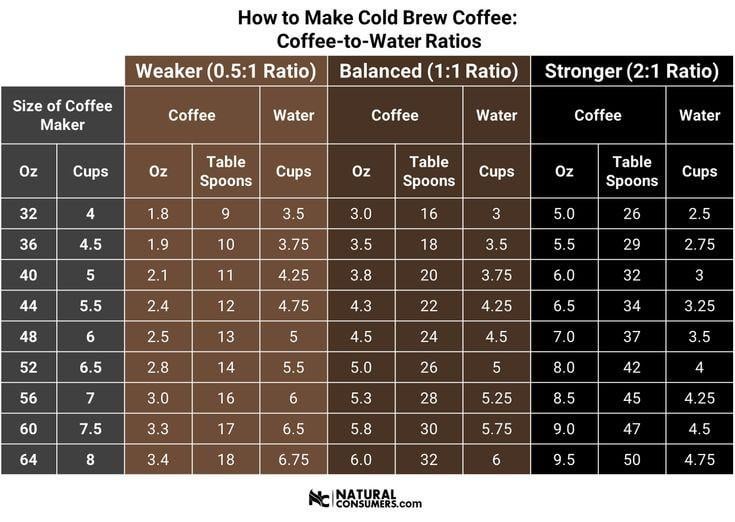
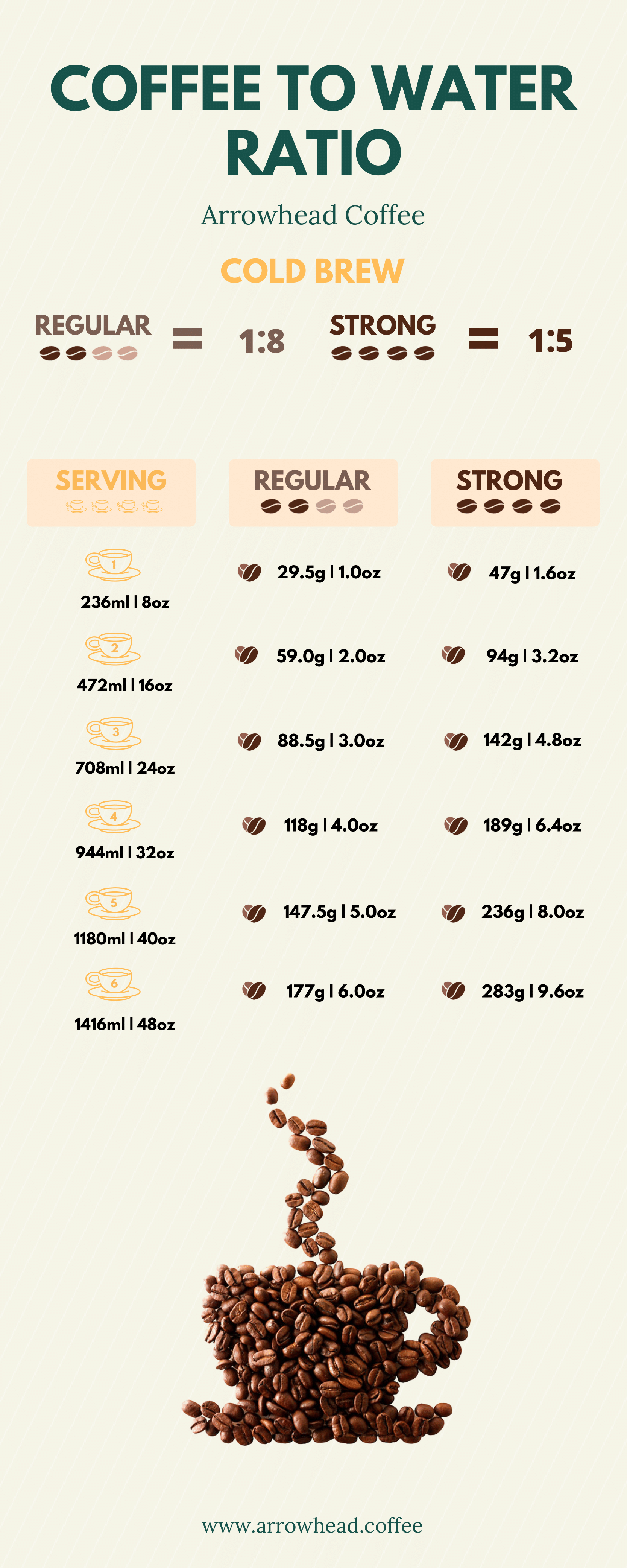
If you eyeball your coffee-to-water ratio, you're going to get inconsistent results. Too little coffee makes it watery; too much makes it bitter. I use a scale every time because guessing usually leads to a waste of expensive beans.
A good starting point is a 1:8 ratio – that’s one part coffee to eight parts water. For a stronger concentrate, you can go as low as 1:4. For a more mellow brew, try 1:10 or 1:12. I’ve found my personal 'sweet spot' is around 1:7.5, but it really depends on the bean.
Bean density also affects the ideal ratio. Denser beans require more water, while less dense beans require less. It’s something to consider when experimenting with different beans. Adjusting the ratio is a great way to fine-tune the flavor to your liking. Don't be afraid to experiment!
Steep Time: Patience is Rewarded (But There's a Limit)
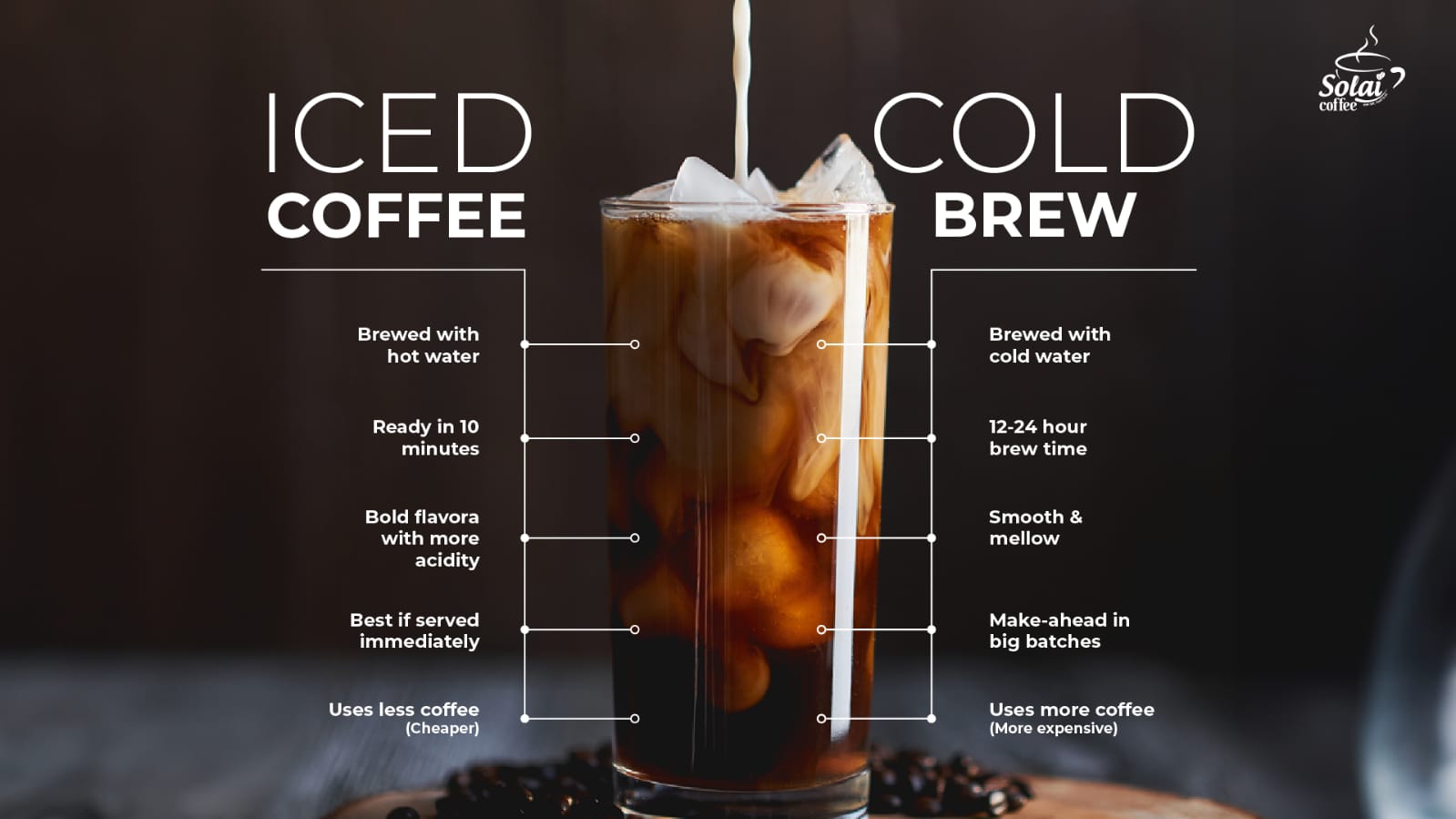
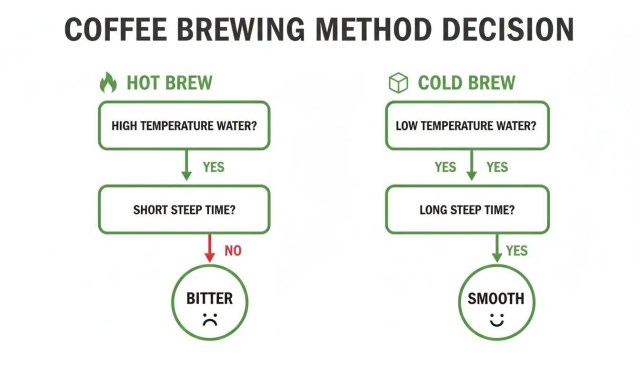
The conventional wisdom is that 12-24 hours is the sweet spot for cold brew steeping, but longer isn’t always better. Over-steeping can lead to an unpleasant bitterness and a muddy flavor profile. It's a matter of finding the optimal extraction point for your specific beans and method.
Steep time affects flavor extraction in a complex way. Initially, you get bright, acidic flavors. As time progresses, you extract more sugars and body. Eventually, you start pulling out bitter compounds. The key is to stop the extraction before those bitter flavors become dominant.
I’ve found that some beans reach peak flavor at 16 hours, while others need a full 20. Lighter roasts often benefit from a longer steep time, while darker roasts can become bitter more quickly. I recommend starting with 18 hours and then adjusting based on your taste preferences.
- 12-16 Hours: Lighter roasts, brighter flavor
- 18-20 Hours: Medium roasts, balanced flavor
- 20-24 Hours: Darker roasts, bold flavor (watch for bitterness)
No comments yet. Be the first to share your thoughts!