
upfront costs: concentrate vs. rtd
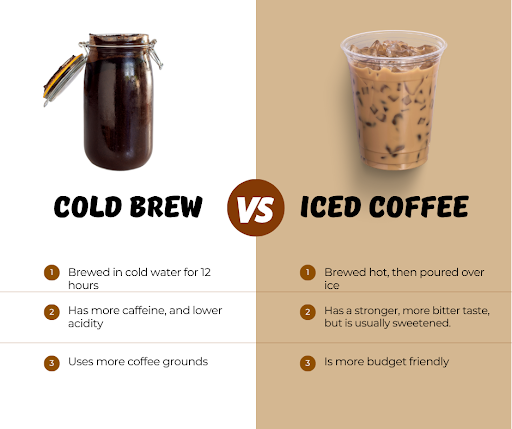
Ready-to-drink (RTD) cold brew is fast, but you pay for that speed. A 12oz bottle currently averages $4.00. Concentrate is cheaper upfront if you buy it pre-made, and even cheaper if you brew it yourself. It takes more work, but the math usually favors the DIY route.
Looking ahead to 2026, I expect to see a modest increase in RTD prices, likely between 5-10% due to inflation and potential supply chain disruptions. Concentrate, however, has more variables. A pre-made concentrate, like those from several smaller brands, typically runs $20-$30 for a 32oz bottle. Making your own concentrate is the cheapest route initially, but requires purchasing coffee beans and potentially some equipment.
The cost of beans depends heavily on the type, but a 12oz bag of whole bean coffee suitable for cold brew will set you back $15-$25. The range is wide, and quality matters, but we’ll get into bean specifics later. Considering these initial costs, concentrate generally requires a higher upfront investment if you don't already have the necessary equipment, but that investment can pay off quickly with consistent use. It's a tradeoff between immediate cost and long-term potential savings.
the cost per serving
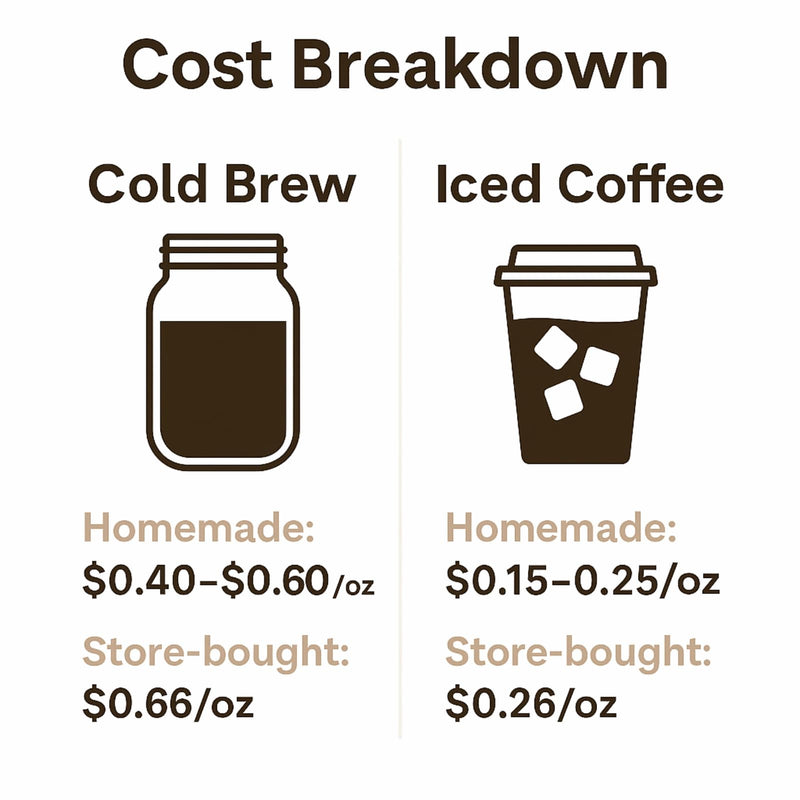
The initial price tag is only half the battle. To truly understand which option saves you money, we need to calculate the cost per serving. Let’s establish a standard serving size of 8oz. For RTD, this is straightforward: $4.00 for 12oz means each 8oz serving costs roughly $2.67. Now, let's tackle concentrate. A 32oz bottle of pre-made concentrate at $25 equates to about $0.78 per 8oz serving when diluted according to the package instructions.
However, that’s just pre-made concentrate. If you’re making your own, the calculation gets a little more involved. Let’s say you use 1 cup (approximately 85g) of coffee grounds to make 32oz of concentrate. Using an average bean price of $20/lb, that cup of grounds costs around $1.15. Diluting that 32oz of concentrate to make 64oz of cold brew (assuming a 1:1 ratio) brings the cost per 8oz serving down to around $0.36. But people like different strengths! Using a 1:2 concentrate-to-water ratio will reduce the cost per serving further.
If you drink one glass a day, RTD costs about $97.50 a month. Making it yourself costs less than $11. I've saved over $60 a month just by switching to home brewing. For daily drinkers, the price gap is too big to ignore.
It's also worth factoring in that some people add milk, sweeteners, or other additions to their cold brew. This will, of course, increase the cost per serving for both RTD and concentrate options.
DIY Concentrate: Bean Costs and Brewing
Beans are your main cost. Light roasts usually run $18-$28 per pound, while dark roasts are cheaper at $12-$20. Sky Cold Brew’s 2024 guide shows people are moving toward medium-dark roasts, so expect those prices to tick up by 2026 as demand grows.
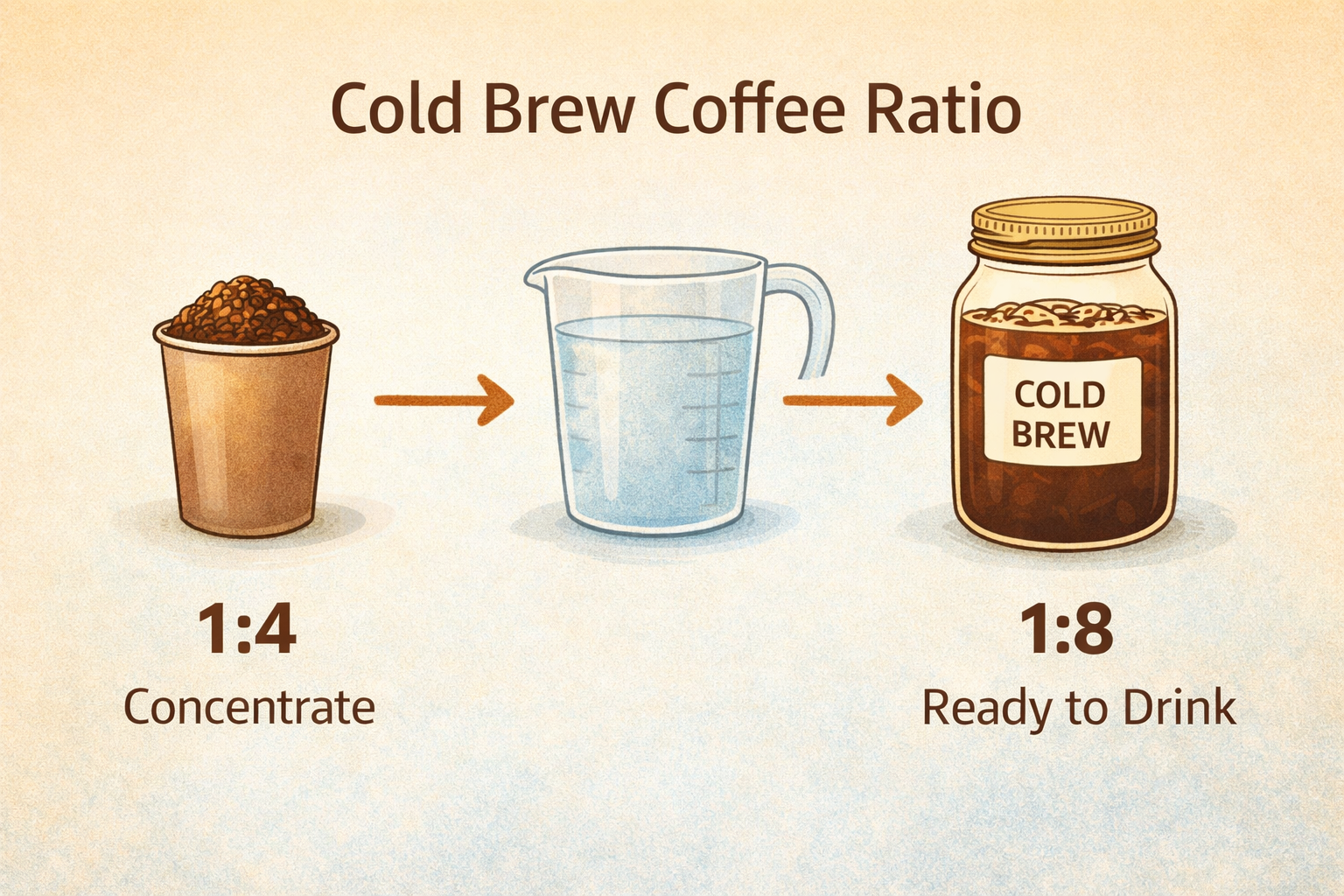
The amount of coffee you use per batch is also crucial. A common ratio is 1:8 coffee to water, but you can adjust this to your preference. Using 1 cup of coffee grounds (around 85g) for 64oz of cold brew is a good starting point. Experimenting with ratios is encouraged, but remember that using more coffee will increase the cost per batch. I’m honestly not convinced that the most expensive beans are essential for fantastic concentrate.
I’ve made excellent concentrate with beans in the $15/lb range, focusing more on freshness and grind size. A coarse grind is vital for cold brew, as it prevents over-extraction and bitterness. Investing in a good burr grinder is worth it if you plan to make concentrate regularly. It’s a one-time cost that will improve the quality and consistency of your brew.
Featured Products

USDA Organic · Fair Trade Certified · Dark Roast Whole Bean
This dark roast whole bean coffee is a popular choice for those seeking a bold flavor profile in their homemade cold brew.
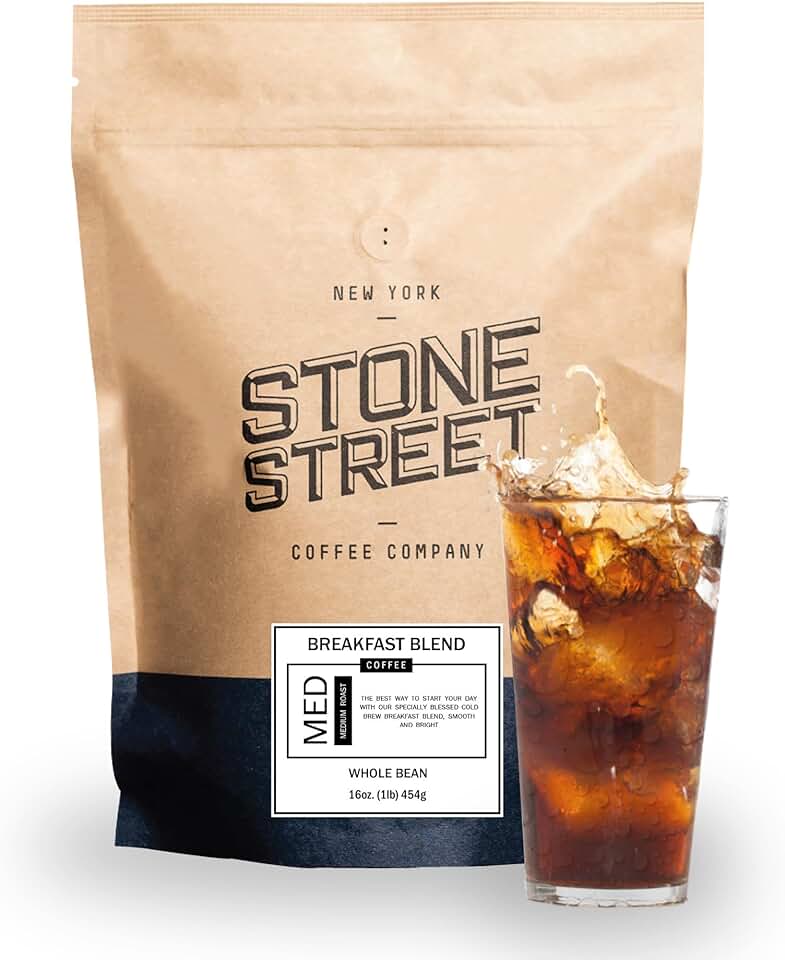
Low Acid · 100% Arabica Beans · Medium Roast Whole Bean
Specially formulated for cold brewing, this low-acid, medium-roast whole bean coffee is ideal for a smooth, rich concentrate.

New Orleans Style · Ground Coffee & Chicory · Easy-to-Brew Bean Bags
For a convenient New Orleans-style cold brew, these pre-portioned ground coffee and chicory pouches offer a unique flavor and ease of use.
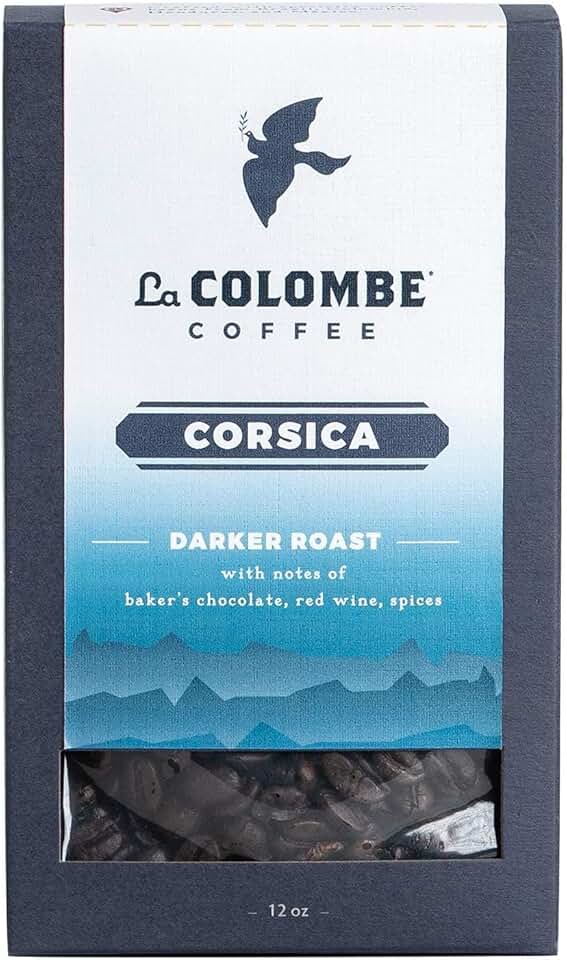
Dark Roast Whole Bean · Notes of Baker's Chocolate, Red Wine & Spices · Full-Bodied, Chocolatey, Roasty
This full-bodied dark roast offers complex flavor notes, making it a sophisticated choice for a homemade cold brew concentrate.

Certified Organic · Fairtrade International · Large 2.2 Lb Bag
This large bag of organic and fairtrade dark roast whole beans provides excellent value for frequent cold brew makers.
As an Amazon Associate I earn from qualifying purchases. Prices may vary.
Equipment Costs: Beyond the Beans
Making concentrate isn’t solely about the beans. You'll need some equipment to get started. A French press is the most common and affordable entry point, with prices ranging from $20 to $50 depending on size and quality. Dedicated cold brew makers, like the Toddy Cold Brew System ($40-$60), offer a more streamlined brewing process. These systems often include filters and are designed specifically for cold brew.
Beyond the main brewing vessel, you’ll need filters. French presses use metal filters, which are reusable and require minimal upkeep. Toddy systems and some other cold brew makers use paper filters, which need to be replaced regularly. A good set of large mason jars for storing your concentrate is also a worthwhile investment – expect to spend around $15-$30 for a set. It’s easy to get carried away and buy every gadget imaginable, but focusing on the essentials will keep costs down.
the hidden price of convenience
RTD cold brew is undeniably convenient. That grab-and-go factor is a major selling point. However, that convenience isn’t entirely free. The environmental impact of single-use plastic bottles and aluminum cans is a significant concern. While recycling is an option, it’s not always effective, and many bottles end up in landfills.
Beyond the environmental cost, there’s the potential for impulse purchases. It’s easy to grab an extra RTD when you’re at the store, even if you don’t particularly need it. These small, unplanned purchases can add up over time. I suspect these 'hidden' costs contribute significantly to the overall expense of RTD cold brew.
Subscription Services: A Middle Ground?
Cold brew subscriptions are gaining popularity, offering a compromise between the convenience of RTD and the cost savings of DIY concentrate. Several companies, like Trade Coffee and Atlas Coffee Club, now offer cold brew concentrate subscriptions. Pricing varies depending on the amount of concentrate and frequency of delivery. A typical subscription might cost $30-$50 per month for a regular supply.
When evaluating a subscription, consider its flexibility. Can you easily pause or cancel your subscription if you’re going on vacation or simply want to try something different? Are there different size options available to suit your consumption habits? Some subscriptions offer curated selections of beans, while others allow you to choose your own. I find that the convenience of a regular delivery is appealing, but it’s important to ensure the subscription aligns with your needs and preferences.
Comparing the cost of a subscription to both RTD and DIY concentrate is essential. A well-chosen subscription can offer significant savings compared to RTD, while still providing the convenience of having cold brew delivered to your door. However, it may not be as cost-effective as making your own concentrate from scratch.
Cold Brew Options: A Comparative Analysis (Projected for 2026)
| Criteria | Ready-to-Drink (RTD) | Cold Brew Concentrate | Subscription Services |
|---|---|---|---|
| Cost | Medium | Medium | Medium |
| Convenience | High | Medium | Medium |
| Environmental Impact | Medium | Low | Medium |
| Customization | Low | High | Medium |
| Taste Control | Low | Medium | Medium |
| Initial Investment | Low | Medium | Low |
| Long-Term Cost | Medium | Low | Medium |
| Waste Generation | High | Low | Medium |
Illustrative comparison based on the article research brief. Verify current pricing, limits, and product details in the official docs before relying on it.
No comments yet. Be the first to share your thoughts!