

The rise of cold brew
Cold brew isn’t just another coffee trend; it’s a full-blown shift in how people enjoy their caffeine. You see it everywhere now—from the corner coffee shop to the grocery store shelves—and the growth shows no signs of slowing. It feels like 2026 will be a peak year for cold brew’s popularity, and for good reason.
While the roots of cold brew stretch back to the mid-19th century and Kyoto, Japan, its modern explosion is a recent phenomenon. For years, iced coffee was the go-to for a chilled caffeine fix, but something changed. People started demanding better quality, more convenience, and a smoother taste. Cold brew delivers on all fronts.
The rise of social media and dedicated coffee culture absolutely played a role. Instagrammable coffee creations and a broader appreciation for specialty coffee fueled the demand. But beyond aesthetics, the inherent qualities of cold brew—its lower acidity, naturally sweet flavor, and versatility—have cemented its place in the market. People are realizing this isn't just a summer drink; it's an all-year-round option.
Improvements in at-home brewing methods have also been key. It used to be that getting a truly great cold brew meant a trip to a cafe. Now, with accessible and affordable tools, anyone can create a perfect batch in their own kitchen. That convenience is a huge draw, and it’s likely to continue driving growth in the coming years.
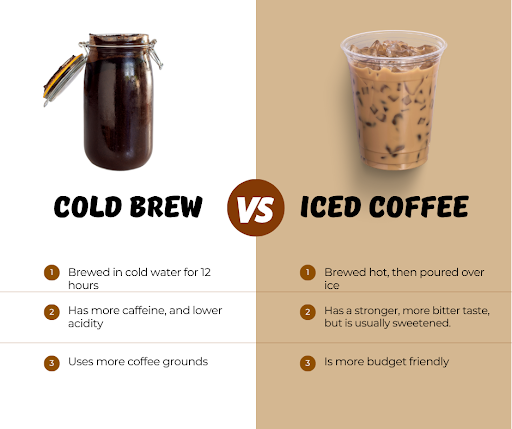
How cold brew and iced coffee are made
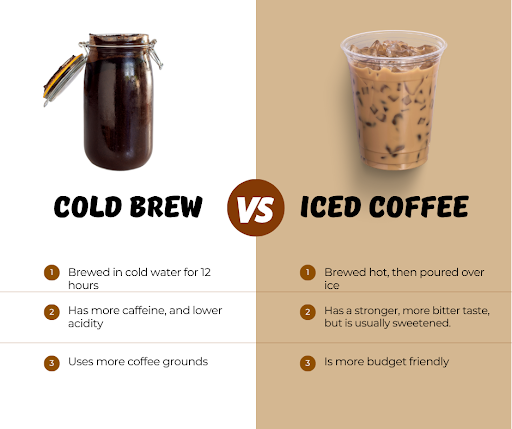
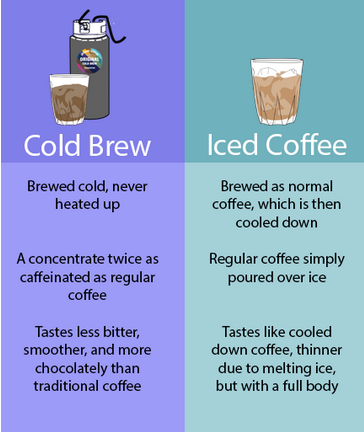
The fundamental difference between cold brew and iced coffee isn't just temperature; it's the method of extraction. Iced coffee is typically brewed hot and then chilled, often by pouring it over ice. Cold brew, on the other hand, relies on time and cold (or room temperature) water to extract flavor.
Heat dramatically impacts the compounds extracted from coffee grounds. High temperatures accelerate the extraction process, pulling out acids and oils quickly. This results in a brighter, more acidic cup—which isn't always desirable. It also encourages the Maillard reaction, creating some of those darker, sometimes burnt, flavors.
Cold brewing is a much slower process, typically taking 12-24 hours. During this extended immersion, different compounds are extracted at a different rate. It prioritizes the solubles that dissolve well in cold water: sugars, lipids, and some proteins. This creates a smoother, naturally sweeter concentrate.
Think of it like this: hot brewing is an aggressive extraction, while cold brewing is a patient one. It's not that hot brewing is bad, but it yields a different profile. The slower, colder process results in a coffee that’s less acidic, less bitter, and showcases a different range of flavors.
Acidity and stomach comfort
That difference in extraction directly impacts acidity levels. Hot-brewed coffee generally has a higher acidity, which can be problematic for some people. It can trigger heartburn, acid reflux, or simply cause stomach upset.
Cold brew, with its lower acidity, is often a more palatable option for those with sensitive stomachs. While it still contains caffeine, the reduced acidity can make it easier to digest. Many people who can't tolerate hot coffee find they can enjoy cold brew without any negative side effects.
Proper handling is crucial when making cold brew. According to the Wisconsin Food Code Fact Sheet, cold brew coffee prepared without a heat step is considered a Time/Temperature Control for Safety (TCS) food and requires refrigeration to prevent microbial growth. Maintaining temperature controls is essential for safety.
While I'm not making medical claims, anecdotal evidence suggests many people feel better after drinking cold brew. The lower acidity offers a scientifically-backed explanation for this.
Taste differences
Iced coffee, especially when made with lower-quality beans, can often taste bright and acidic, sometimes even bordering on sour. If the brew isn’t carefully controlled, you might detect a slightly burnt or bitter note. It’s a flavor profile that's familiar to many, but not always the most refined.
Cold brew, in contrast, is typically characterized by a remarkably smooth and mellow flavor. It's often described as naturally sweet, with prominent notes of chocolate, caramel, or even nuts. The lack of harsh acidity allows these subtler flavors to shine through.
The origin of the coffee beans plays a role in both brewing methods, of course. A bright, floral Ethiopian Yirgacheffe will taste different whether brewed hot or cold. However, cold brew seems to highlight different characteristics, often emphasizing the sweetness and body of the bean.
For example, a Sumatran Mandheling, known for its earthy tones, will become even more deeply chocolatey and full-bodied when cold brewed. You’ll find that the nuances are more pronounced. Expect notes of dark chocolate, brown sugar, and a lingering, satisfying finish.
Cold Brew vs. Iced Coffee: A Flavor Profile Comparison (2026)
| Flavor Dimension | Cold Brew | Iced Coffee |
|---|---|---|
| Acidity | Low | Medium to High |
| Bitterness | Low | Medium to High |
| Sweetness | Subtle, naturally occurring | Often requires added sweetener |
| Body | Full, Smooth | Lighter, can be watery |
| Complexity | High, nuanced flavors | Simpler, more direct flavor |
| Brewing Time | 12-24 hours | Minutes |
| Temperature | Typically served cold | Served over ice, temperature fluctuates |
| Perceived Smoothness | Very Smooth | Can be harsh if not properly brewed |
Illustrative comparison based on the article research brief. Verify current pricing, limits, and product details in the official docs before relying on it.
Consistency in brewing
One of the biggest drawbacks of iced coffee is its inherent inconsistency. The amount of ice used, the temperature of the coffee when it's poured over ice, and the time it sits all impact the final strength and flavor. It’s easy to end up with a weak, watery drink.
Cold brew offers a level of control that’s simply not possible with iced coffee. Because the brewing process is so much slower and more deliberate, you can precisely control the coffee-to-water ratio, the grind size, and the steep time. This leads to a much more consistent and repeatable result.
There are several popular cold brew methods. The Toddy system is a classic, utilizing a felt filter for a clean, sediment-free concentrate. Immersion brewing, where coffee grounds are steeped directly in water, is simple and effective. Slow drip systems, like the Yama Cold Drip Tower, offer a more visually appealing and controlled process.
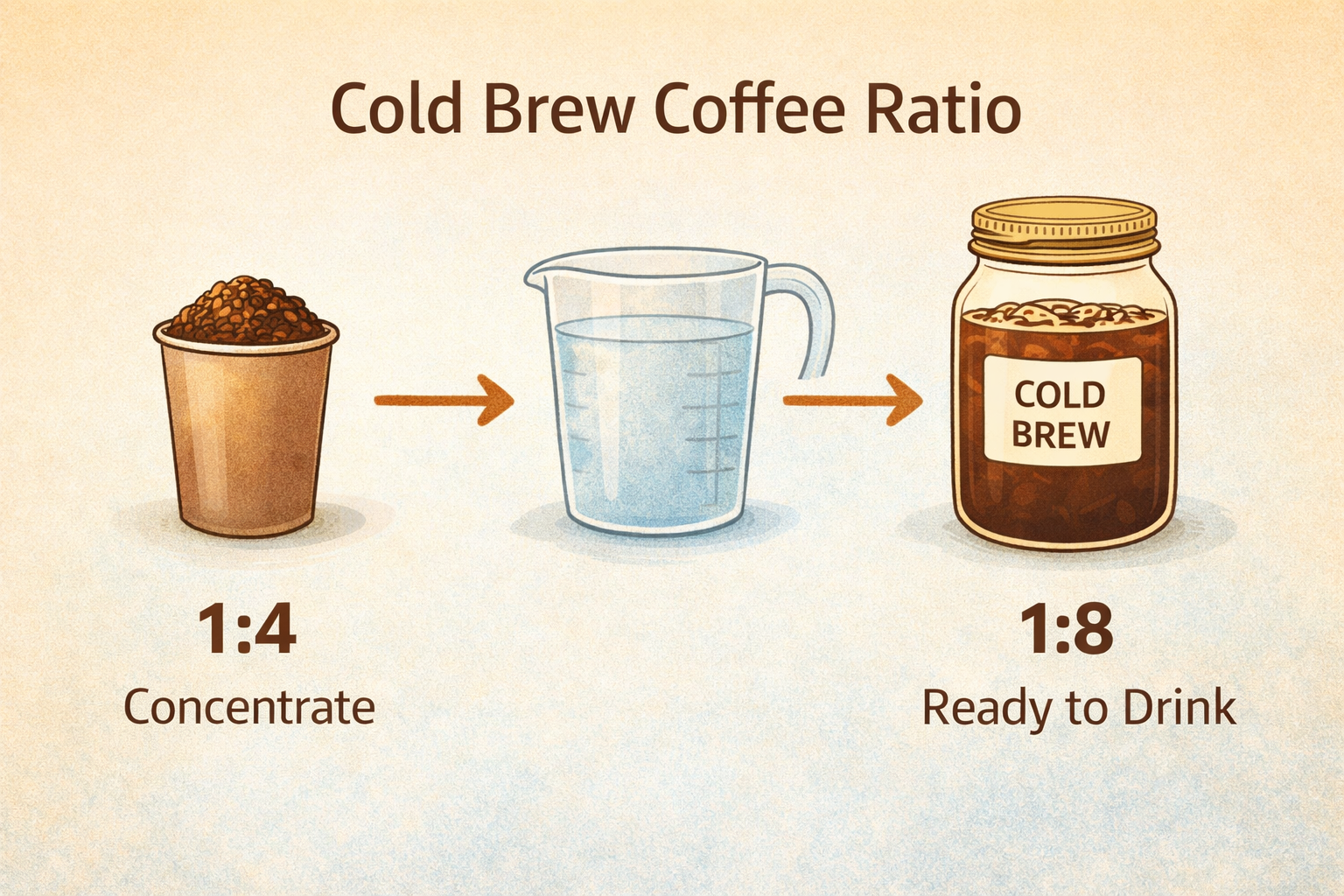
Here’s a simple immersion method to get you started: Combine 1 cup of coarsely ground coffee with 4 cups of cold, filtered water in a large container. Stir gently to ensure all the grounds are saturated. Let it steep in the refrigerator for 12-24 hours. Strain through a cheesecloth-lined sieve or a nut milk bag. You now have a cold brew concentrate that can be diluted with water or milk to your liking.
Tools for making cold brew
Getting started with cold brew doesn’t require a lot of expensive equipment, but a few key tools can make the process much easier and more enjoyable. A good quality cold brew maker is a great investment, and the Toddy Cold Brew System is a consistently well-regarded option, starting around $40.
For those who prefer a more manual approach, a French press can also be used, though filtering can be a bit messy. A good burr grinder is essential for achieving a consistent grind size—a Hario Skerton Pro is a solid choice for around $60. Pre-ground coffee will work in a pinch, but you'll lose some of the flavor nuance.
Don't underestimate the importance of a good filter. Reusable stainless steel filters are eco-friendly and easy to clean. Finally, invest in airtight containers for storing your cold brew concentrate. Mason jars work well, but dedicated cold brew bottles are also available.
Don't feel like you need to buy everything at once. Start with the basics—a grinder, a container, and a filter—and build your setup over time. The most important thing is to experiment and find what works best for you.
Featured Products
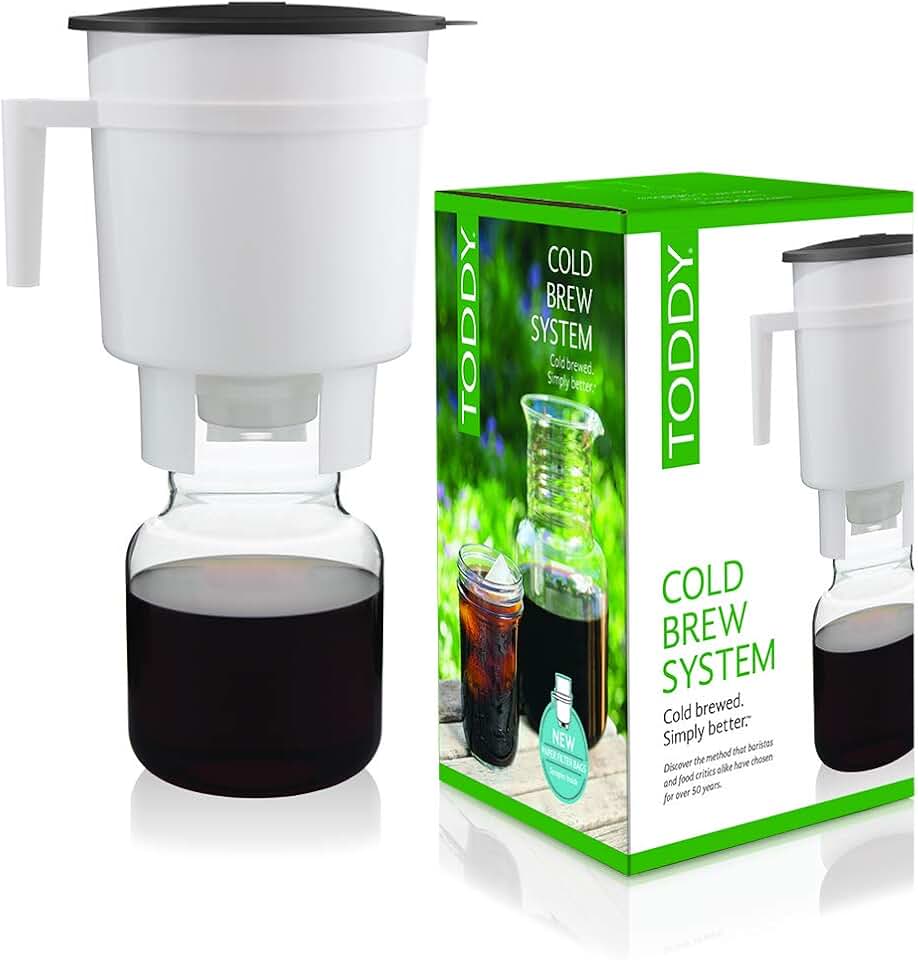
Simple, intuitive design for easy use · Produces a smooth, rich coffee concentrate · BPA-free materials
The Toddy Cold Brew System is a classic choice for its simplicity and ability to create a consistently smooth, low-acid coffee concentrate.

Compact design with a built-in filter · Easy-pour spout for mess-free serving · BPA-free construction
This OXO maker offers a user-friendly experience with its integrated filter and convenient pour spout, making cold brew preparation straightforward.

Stylish glass carafe with a fine mesh filter · Compact and space-saving design · Easy to clean
The HARIO Mizudashi is an affordable and stylish option, perfect for brewing smooth cold brew coffee with its elegant glass carafe and effective filter.

Award-winning design with a portable stainless steel carafe · Insulated to keep cold brew cold for up to 24 hours · Leakproof and BPA-free
The asobu Cold Brew Coffee Maker stands out with its insulated, portable carafe that keeps your brew cold for extended periods, ideal for on-the-go enjoyment.

Elegant stainless steel construction · Removable brew basket for easy filling and cleaning · Integrated handle for comfortable carrying
KitchenAid's offering combines sleek design with practical features like a removable brew basket, ensuring a premium cold brew experience.
As an Amazon Associate I earn from qualifying purchases. Prices may vary.
No comments yet. Be the first to share your thoughts!