
how extraction changes over time
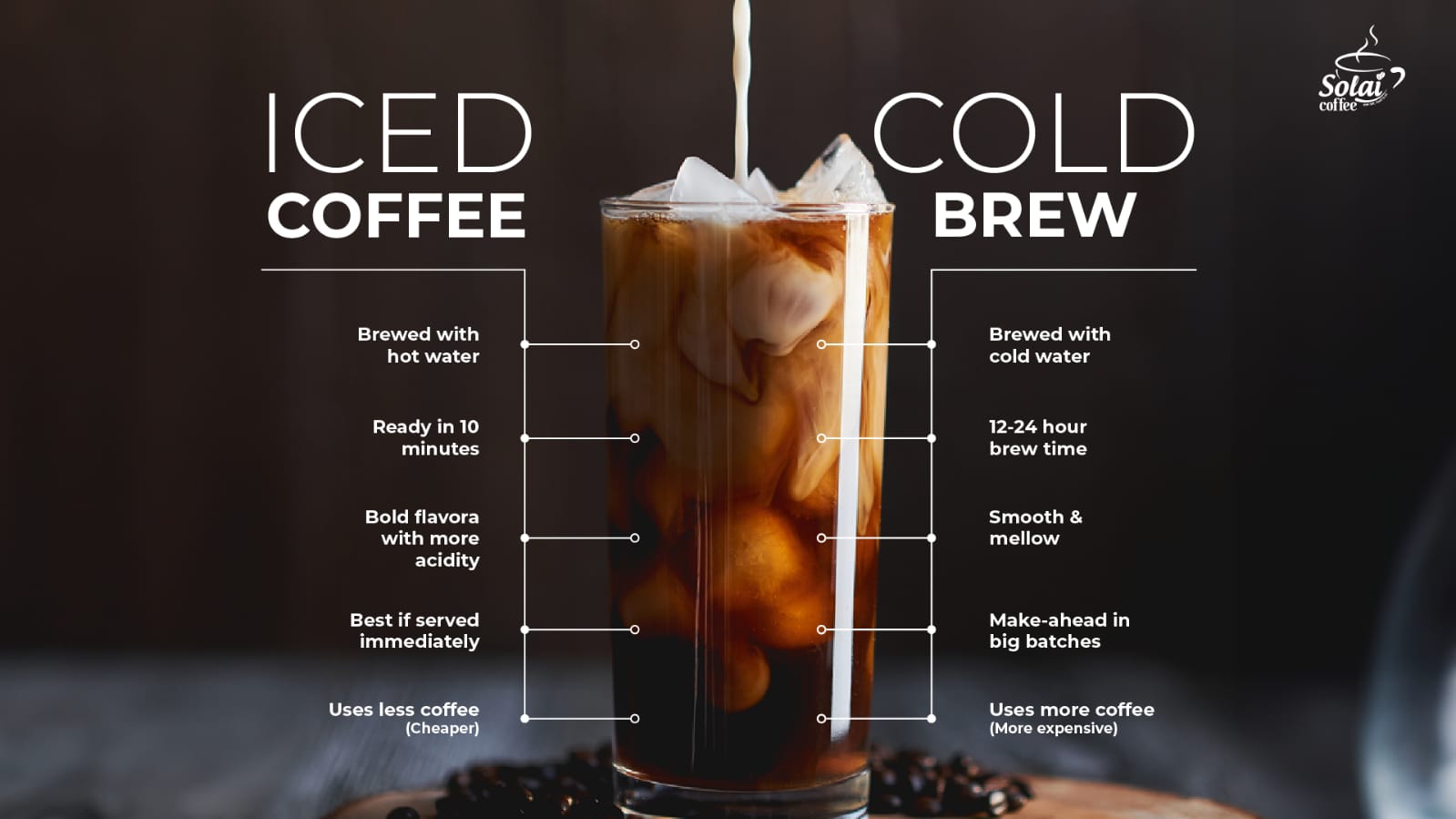
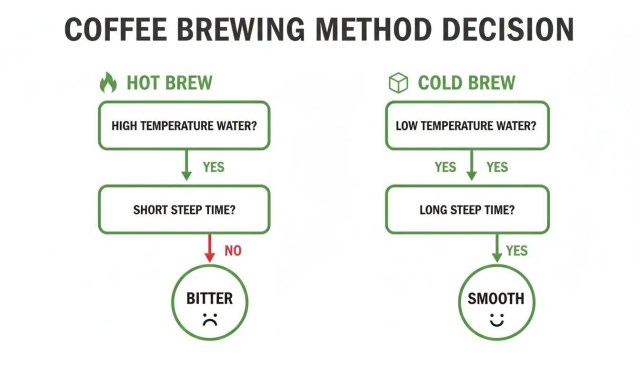
When we talk about 24-hour versus 12-hour cold brew, the fundamental difference isn't simply the amount of time coffee grounds spend in water. It’s the impact that time has on extraction. Coffee isn’t a single, homogenous entity; it’s a complex mix of compounds, and they dissolve into water at different rates. Acids are the first to go, followed by sugars, and then the heavier oils and fats.
This staged extraction is why brew time matters so much. Those initial acids contribute a bright, lively flavor, while the later-extracted oils create a smoother, fuller body. A 24-hour brew isn’t some magical cutoff point, either. Certain beans, particularly denser ones, can actually benefit from even longer steeping times – 30, even 36 hours – to fully develop their flavor potential.
I’ve found that obsessing over precise times can be counterproductive. The goal isn’t to rigidly follow a recipe, but to understand how extraction works and then adjust your brew time to suit the specific beans you’re using. It's about finding the sweet spot where all those compounds come together in a way you enjoy. Experimentation is key, and don’t be afraid to deviate from the standard recommendations.
the 12-hour window for acidity
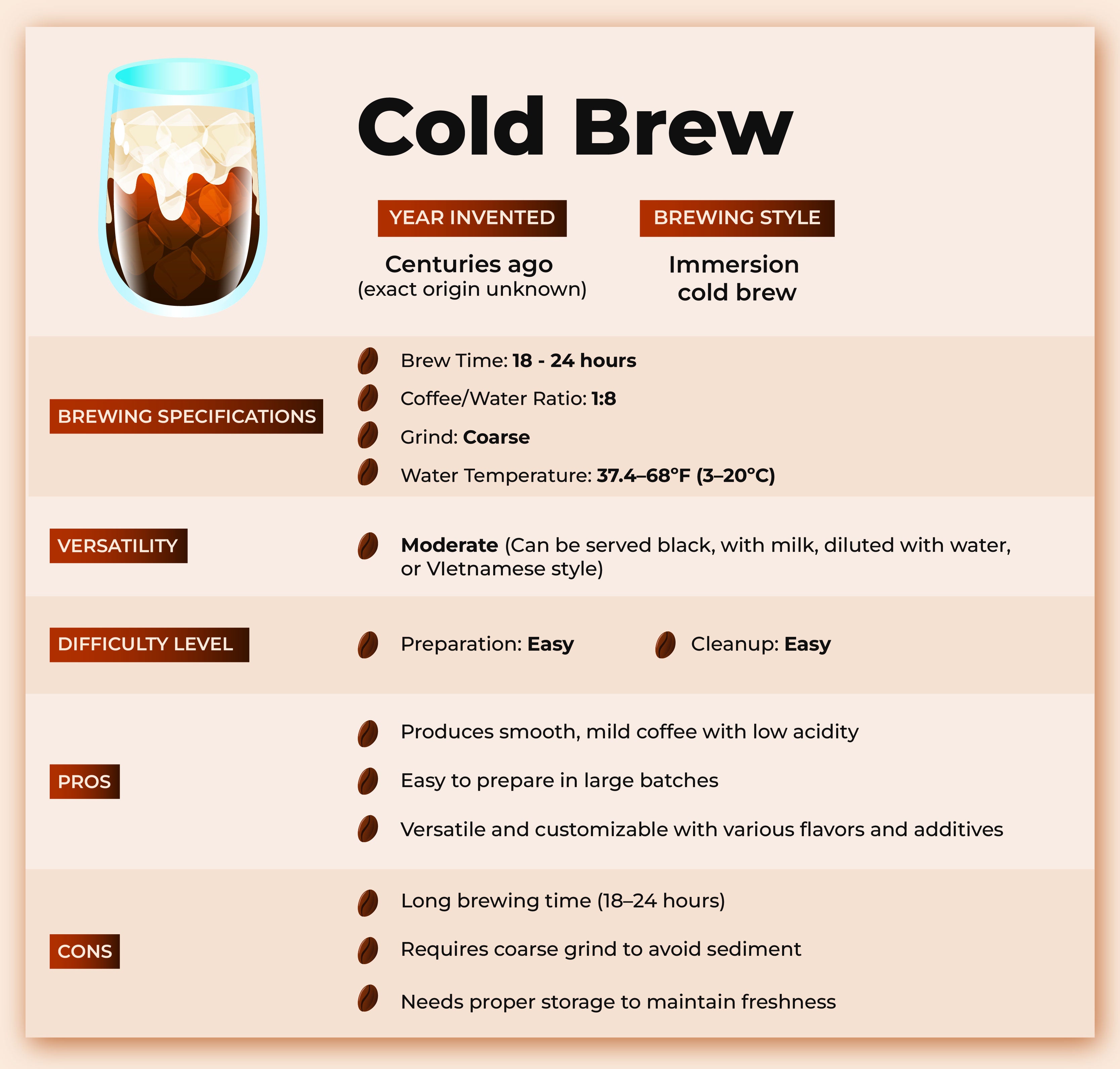
A shorter brew time – around 12 hours – excels at capturing those initial, brighter acids. This results in a coffee that's often described as more refreshing and lively. It’s a great choice if you prefer a cold brew with a noticeable "zing" and a crisp finish.
Certain bean origins particularly shine with a 12-hour brew. Lighter-roasted Ethiopian coffees, especially those from Yirgacheffe or Sidamo, are fantastic. Kenyan coffees, known for their black currant acidity, also benefit from a shorter steep. These beans don’t necessarily need a long extraction to reveal their character; in fact, over-extraction can muddy their delicate flavors.
However, acidity isn’t universally loved. Some people find it too tart or sour. If you fall into that camp, a 12-hour brew might not be for you. It really comes down to personal preference. If you enjoy a coffee that feels bright and invigorating, then a shorter brew time is definitely worth exploring.
why 24 hours creates a heavier body
Steeping for 24 hours pulls out the oils and sugars that create a heavy, smooth mouthfeel. It’s the better choice if you want a concentrate that feels thick and rich rather than tea-like.
The impact on mouthfeel is substantial. A 24-hour brew coats the palate more thoroughly, creating a velvety texture. Darker roasts, like Sumatran Mandheling or Brazilian coffees, often benefit from this extended steep time. They have more inherent body to begin with, and the longer extraction amplifies that quality.
Interestingly, a 24-hour brew can also be more forgiving. It has a tendency to mask some of the inherent imperfections in lower-quality beans. While I always recommend starting with high-quality coffee, a longer brew can sometimes salvage a less-than-ideal batch. It won’t turn bad coffee into good coffee, but it can make it more palatable.
Bean Choice: Matching Brew Time to Origin
The best brew time isn't a universal rule; it’s deeply connected to the bean origin and roast level. Here’s a guide, keeping in mind these are starting points – experimentation is always encouraged. I’ve seen great results outside of these ranges, depending on the specific bean and your taste.
For Ethiopian Yirgacheffe, a lighter roast, I recommend 12-16 hours. This preserves the floral aromas and bright citrus notes. Sumatran Mandheling, a darker, earthier bean, thrives with 24+ hours, allowing the full body and chocolatey flavors to develop. Colombian Supremo, a versatile bean, does well with 18-24 hours, striking a balance between acidity and body.
Roast level plays a significant role. Lighter roasts generally require less time because they are more porous and extract more readily. Darker roasts, being denser, need a longer steep to fully extract their flavor. A good rule of thumb is to start with the lower end of the time range for lighter roasts and the higher end for darker roasts. Don’t be afraid to adjust based on your own preferences.
- Ethiopian Yirgacheffe: 12-16 hours for a light roast
- Sumatran Mandheling: 24+ hours (darker roast)
- Colombian Supremo: 18-24 hours (medium roast)
- Kenyan AA: 12-18 hours (lighter roast)
- Brazilian Santos: 20-24 hours (medium-dark roast)
Bean Origin & Brew Time Guide
| Bean Origin | Roast Level | Recommended Brew Time (Hours) | Flavor Profile Notes |
|---|---|---|---|
| Ethiopia Yirgacheffe | Light | 12-18 | Floral, citrusy, bright acidity - shorter brew times emphasize these delicate notes. |
| Colombia Supremo | Medium | 16-24 | Balanced, nutty, caramel sweetness - benefits from a longer steep to develop full body. |
| Sumatra Mandheling | Dark | 18-24 | Earthy, bold, chocolatey - longer brew times extract maximum richness and minimize acidity. |
| Kenya AA | Medium-Light | 12-16 | Black currant, winey, complex - a shorter brew preserves the vibrant fruit flavors. |
| Brazilian Santos | Medium | 12-20 | Chocolate, low acidity, smooth - versatile bean; brew time adjusts body and sweetness. |
| Guatemalan Antigua | Medium-Dark | 14-22 | Cocoa, spice, full-bodied - longer brewing develops the chocolate and spice notes. |
| Peru Organic | Light-Medium | 15-20 | Mild, balanced, slightly sweet - a good all-rounder, offering flexibility in brew time. |
Illustrative comparison based on the article research brief. Verify current pricing, limits, and product details in the official docs before relying on it.
Ratios & Grind Size: Keeping Variables Consistent
It’s easy to fixate on brew time, but it’s just one piece of the puzzle. Consistent ratios and grind size are equally important. If your cold brew tastes off, don’t immediately adjust the time; consider these factors first.
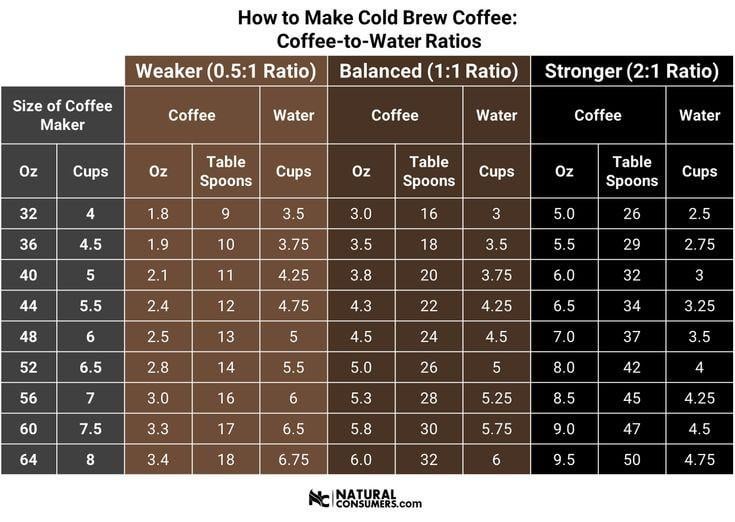
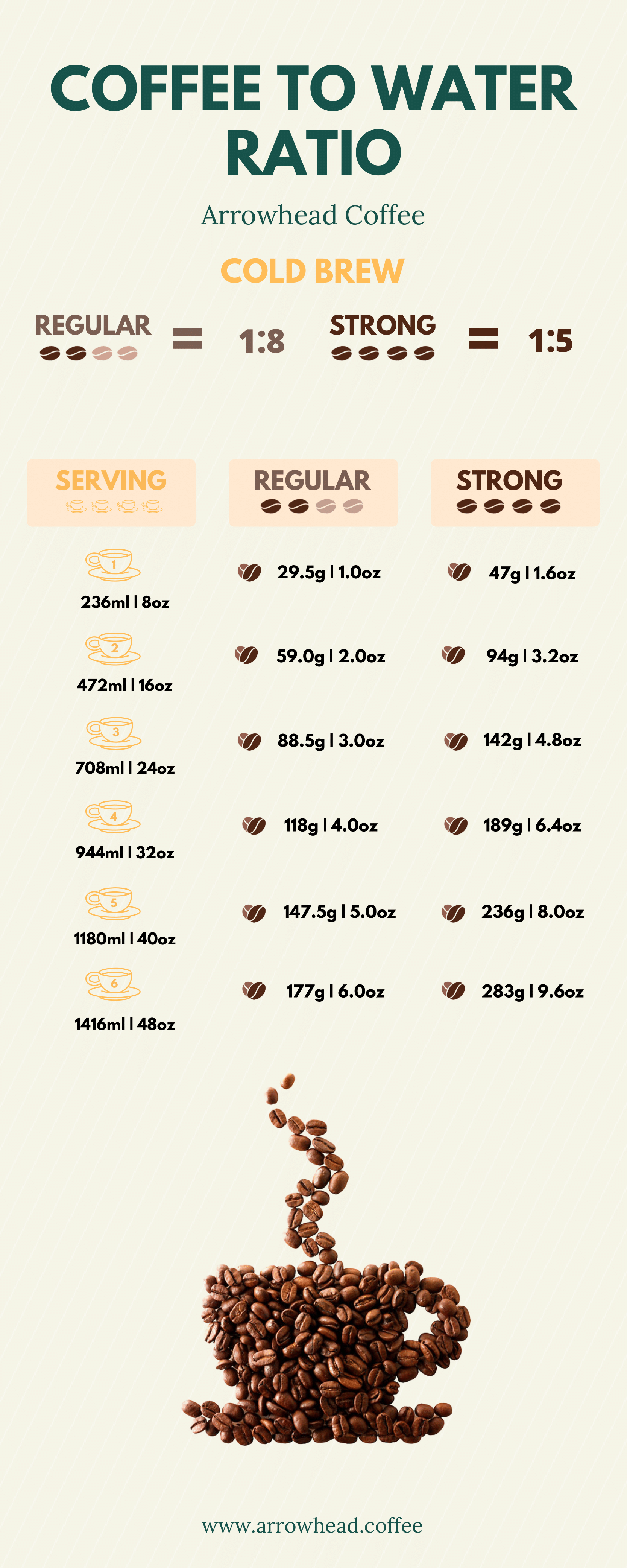
I personally prefer a 1:8 coffee-to-water ratio (e.g., 1 cup of coffee grounds to 8 cups of water), but other ratios work well – 1:7 for a stronger brew, 1:9 for a milder one. The key is to be consistent. Whatever ratio you choose, stick with it for accurate comparisons.
Grind size is also critical. You want a coarse grind, similar to what you’d use for a French press. A finer grind will result in over-extraction and a bitter taste. Using filtered water is non-negotiable; tap water can introduce unwanted flavors. Keep these things constant as you experiment with brew times.
Troubleshooting: What if it Tastes… Off?
So, you’ve brewed your cold brew, but it doesn’t quite taste right? Don’t panic. Here’s a quick troubleshooting guide. If it’s too acidic, brew it for a longer period. This will extract more sugars and oils to balance the acidity. If it’s too bitter, use a coarser grind or shorten the brew time.
Weak coffee? Increase the coffee-to-water ratio. Use more grounds for the same amount of water. Sediment in your brew? Ensure you’re filtering properly. Double-filtering with a finer filter can help. I’ve found that using a nut milk bag in addition to a paper filter works wonders.
However, sometimes a bean just isn’t suited for cold brew, regardless of your efforts. Some beans lack the inherent qualities to shine with this brewing method. If you’ve tried everything and it still tastes unpleasant, it might be time to switch to a different bean.
Featured Products
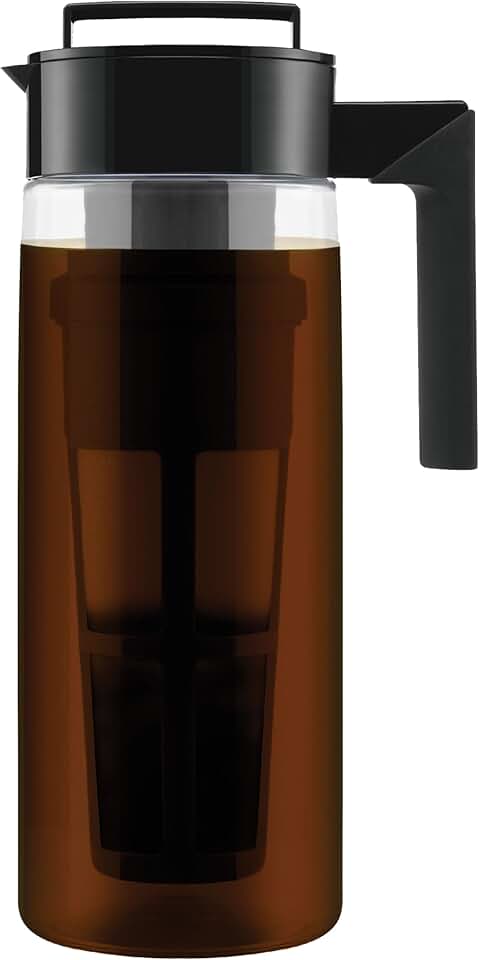
Airtight, leak-free lid · BPA-free Tritan pitcher · Dishwasher-safe
This maker is recommended for its durable, easy-to-clean design and leak-proof lid, perfect for experimenting with various brew times.

Brews up to 4 cups of cold brew concentrate · BPA-free construction · Easy-pour spout
The OXO Good Grips maker is recommended for its efficient brewing process and user-friendly design, allowing for consistent results with different brewing durations.

Compact design · Fine mesh filter · Easy to use and clean
This HARIO pitcher is recommended for its simplicity and effectiveness in creating smooth cold brew, making it ideal for those new to experimenting with brew times.
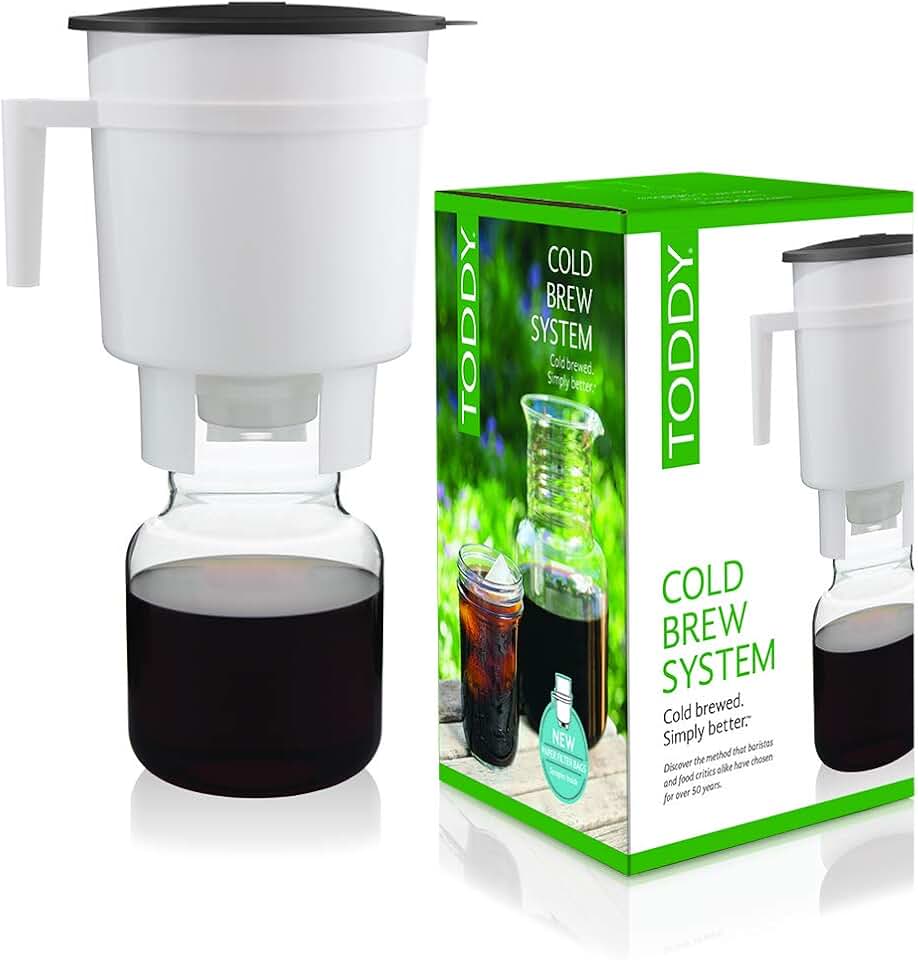
Includes Toddy's signature felt filters · Brews a smooth, rich concentrate · Durable construction
The Toddy Cold Brew System is recommended for its established reputation in producing high-quality cold brew concentrate, suitable for precise brewing time adjustments.
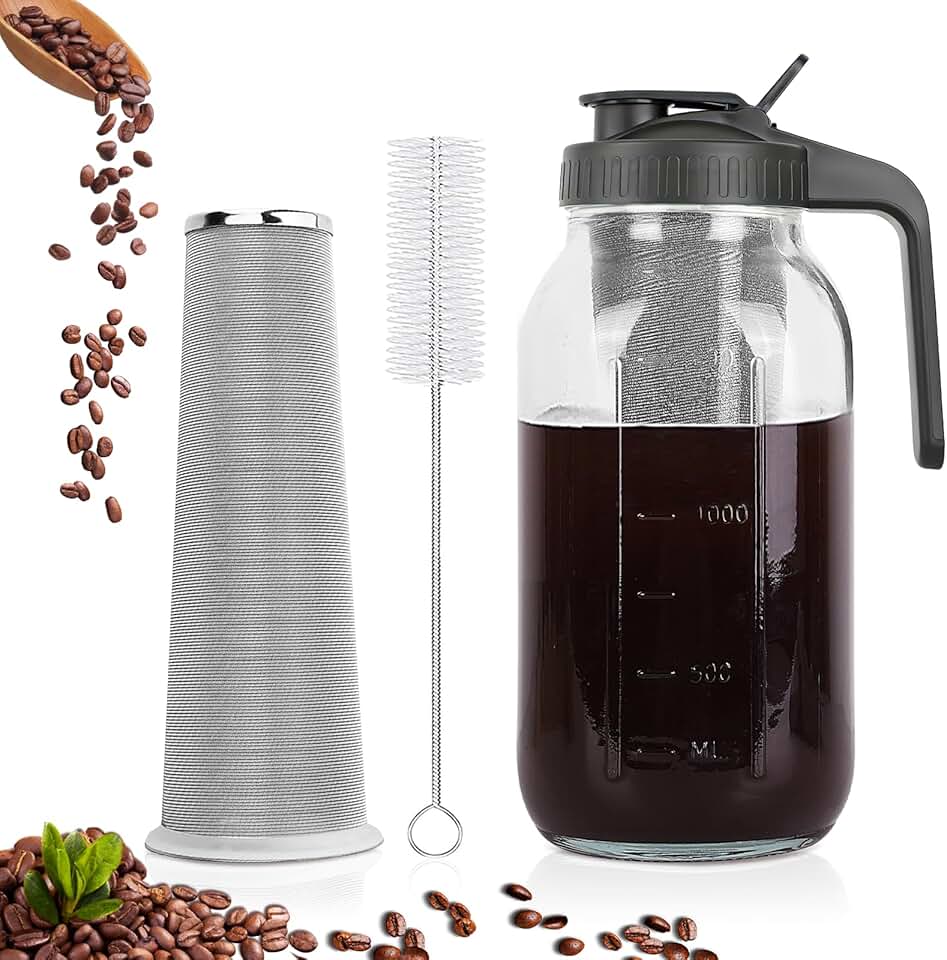
Large 64 oz capacity · Stainless steel filter · Heavy-duty glass construction
This large-capacity mason jar pitcher is recommended for its generous size and robust build, offering ample space to test longer cold brew extraction times.
As an Amazon Associate I earn from qualifying purchases. Prices may vary.
No comments yet. Be the first to share your thoughts!