

The ratio revolution
My first cold brew was a watery mess. I learned quickly that the ratio is the only thing standing between a balanced cup and a bitter one. If you get the math wrong, you waste good beans.
For a long time, cold brew was a bit of a wild west. People experimented with whatever felt right, and the results were… inconsistent. As cold brew gained popularity, though, we started to see patterns emerge, and a better understanding of how ratios impact the final product. It’s not simply following a recipe, but understanding the why behind it.
While "best" is always subjective, there are clear guidelines. A good ratio ensures proper extraction – pulling out the desirable compounds from the coffee without over-extracting the unwanted ones. We'll explore those guidelines, and how to adapt them to your taste, but remember, this is a starting point, not a rigid rule.
Standard ratios for a solid start
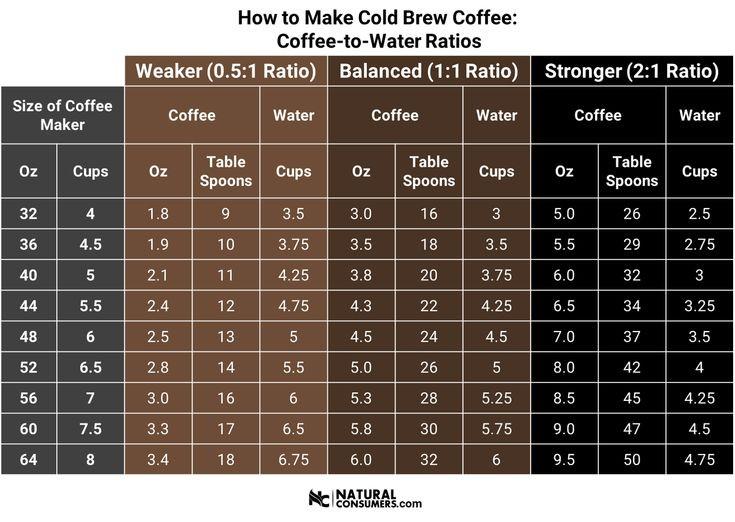
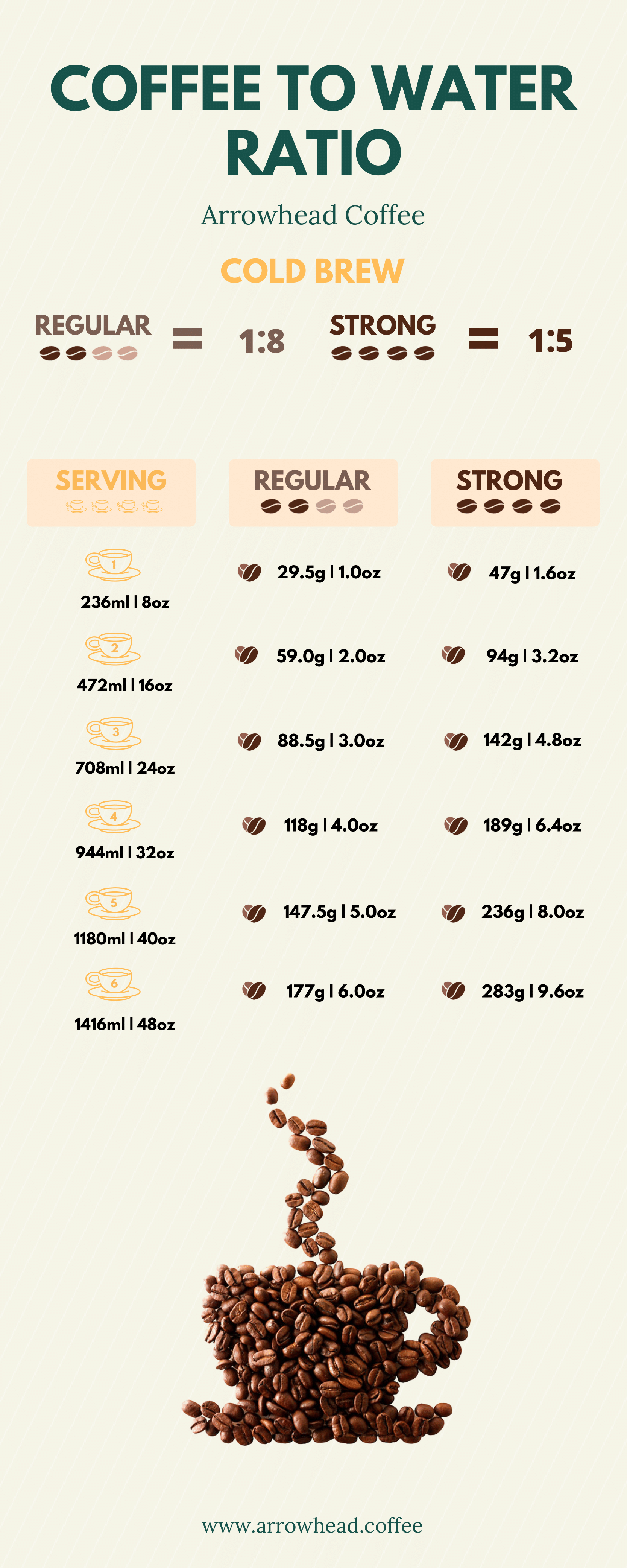
The most frequently cited ratio for cold brew is 1:8, meaning one part coffee to eight parts water, by weight. This translates to 100 grams of coffee grounds for every 800 grams of water. It’s a solid starting point, accessible to most, and generally delivers a pleasant, balanced brew.
Stepping away from 1:8, you'll find 1:10, 1:12, and even 1:15 ratios gaining traction. A 1:10 ratio will result in a slightly stronger brew than 1:8, while 1:12 and 1:15 will be noticeably milder. These higher water ratios are good if you prefer a lighter-bodied cold brew or are using a particularly strong bean.
The popularity of these ratios comes down to their ease of use. They're easy to measure and generally produce good results without requiring a lot of tweaking. However, a lot of online discussion, particularly on platforms like Facebook, centers around even more concentrated ratios – between 1:4 and 1:6 – when making a cold brew concentrate.
Concentrate vs. Ready-to-Drink
There’s a fundamental difference between brewing a cold brew concentrate and a ready-to-drink brew. A concentrate uses a much higher coffee-to-water ratio – typically falling within that 1:4 to 1:6 range, as often discussed on Facebook. This results in a very strong brew that needs to be diluted before drinking.
The benefit of concentrate is its versatility. You can dilute it with water, milk, or alternative milks to your exact preference. It’s also space-saving; a small amount of concentrate can yield many servings. Ready-to-drink cold brew, on the other hand, is brewed at a lower ratio and is meant to be consumed directly.
Diluting concentrate properly is key. Start with a 1:1 ratio of concentrate to water and adjust from there. Experiment with different diluents – oat milk adds a creamy sweetness, while sparkling water creates a refreshing fizz. Remember, the ratio you use for the concentrate will dictate how much dilution is needed.
How beans and grind change the math
The type of coffee bean you use significantly influences the ideal ratio. Darker roasts, with their bolder flavors, can generally handle higher water ratios without becoming overly bitter. They’re more forgiving. Lighter roasts, however, are more delicate and might require a lower ratio to fully extract their nuanced flavors.
Equally important is the grind size. Coarse ground coffee is essential for cold brew. Think French press coarse – similar to sea salt. A finer grind will lead to over-extraction, resulting in a bitter, muddy brew. It also creates more sediment, which isn’t ideal.
Sky Cold Brew suggests matching your bean origin to your ratio. For example, a bright Ethiopian bean might need a tighter 1:7 ratio to keep its acidity from washing out, while a chocolatey Sumatran holds up better at 1:10.
Recommended Cold Brew Ratios by Roast Level & Grind Size (2026)
| Roast Level | Grind Size | Coffee to Water Ratio | Flavor Profile |
|---|---|---|---|
| Light Roast | Coarse | 1:8 to 1:10 | Bright, floral, and acidic with a delicate body. |
| Light Roast | Medium-Coarse | 1:12 to 1:15 | More balanced acidity, noticeable fruit notes, lighter body. |
| Medium Roast | Coarse | 1:8 to 1:12 | Balanced flavor, moderate acidity, smooth body with hints of caramel. |
| Medium Roast | Medium-Coarse | 1:10 to 1:14 | Well-rounded, nutty, and chocolatey notes, medium body. |
| Dark Roast | Coarse | 1:6 to 1:8 | Bold, chocolatey, and robust with a full body. |
| Dark Roast | Medium-Coarse | 1:8 to 1:10 | Intense, smoky, and slightly bitter, with a heavier mouthfeel. |
| Medium-Dark Roast | Coarse | 1:7 to 1:9 | Rich, dark chocolate and caramel flavors, with a smooth finish. |
| Medium-Dark Roast | Medium-Coarse | 1:9 to 1:11 | Balanced between boldness and sweetness, with a pleasant aroma. |
Illustrative comparison based on the article research brief. Verify current pricing, limits, and product details in the official docs before relying on it.
Brew Method Adjustments
Different cold brew methods demand slight ratio adjustments. Immersion brewing, where coffee grounds are steeped directly in water, is the most common. For immersion, the 1:8 ratio is a great starting point. Slow drip systems, which slowly filter water through coffee grounds, often use a higher ratio – perhaps 1:10 or 1:12 – due to the longer contact time.
The extended contact time in slow drip allows for more thorough extraction, so you can use less coffee. Japanese-style cold brew, also known as iced coffee, is a bit different. It involves brewing hot coffee directly over ice, which rapidly chills the brew. I'm not entirely sure about the optimal ratio for Japanese-style cold brew, and it seems to vary significantly depending on the brewer.
Ultimately, the best way to determine the right ratio for your chosen method is to experiment. Start with the suggested ratio, taste the brew, and adjust accordingly. Don’t be afraid to make small changes – a little can go a long way.
Water Quality & Its Role
Use filtered water. Since coffee is mostly water, tap water chemicals like chlorine will ruin the flavor. If your tap water tastes metallic, your cold brew will too.
The mineral content of your water also plays a role. Hard water, with high mineral levels, can affect the flavor profile, sometimes making the brew taste flat or metallic. Ideally, you want water that is relatively neutral in mineral content.
Even with the perfect ratio and the best beans, bad water will ruin your cold brew. And, of course, use cold water! The whole process is cold brew for a reason – warmer water will lead to faster, less desirable extraction.
Advanced brewing techniques
Once you’ve mastered the basics, you can explore more advanced techniques. Bloom ratios, for example, involve pre-wetting the coffee grounds with a small amount of water to release trapped gases. This can improve extraction and flavor clarity.
Staged brewing, another advanced technique, involves adjusting the ratio during the brewing process. You might start with a higher ratio to encourage initial extraction, then lower it as the brew progresses. These techniques are best suited for experienced brewers who are looking to fine-tune their results.
Don’t feel pressured to jump into these advanced methods right away. Focus on mastering the fundamentals first. But knowing they exist demonstrates that cold brew isn't just a simple process, it’s a craft with endless possibilities.
No comments yet. Be the first to share your thoughts!