
Why Bean Choice Matters for Cold Brew (and What We Mean by 'Best')
Cold brew is different. That’s the first thing to understand. Unlike hot brewing, which relies on heat to rapidly extract flavors from coffee grounds, cold brew uses time. A long steeping period – typically 12 to 24 hours – pulls out different compounds. This results in a concentrate that is lower in acidity and often sweeter than its hot-brewed counterpart.
Because of this slower, gentler extraction, the quality of your coffee beans matters even more. Subtle nuances that might be lost in a quick hot brew will shine through in a cold brew concentrate. You’re not just looking for a caffeine kick; you’re aiming for a complex, flavorful experience.
When I say 'best,' I don’t mean the most expensive or the most hyped. 'Best' is subjective. It's about finding beans that suit your taste preferences and are easy to work with. Do you prefer bright, fruity flavors, or something more chocolatey and earthy? Are you comfortable experimenting, or do you want a consistent, predictable result?
We’ll be looking at both single-origin beans – those sourced from a single farm or region – and blends, which combine beans from different origins. Single-origins offer a unique expression of terroir, while blends can provide balance and consistency. I prefer specific single-origins and blends for their reliability under long extraction times.
Single-Origin Stars: Exploring Distinct Flavors
Ethiopian Yirgacheffe is a classic choice for a reason. This bean consistently delivers a floral aroma and a bright, citrusy flavor profile. It’s delicate, though, and can be a little finicky to brew. I’ve found that a slightly coarser grind and a longer steep time (around 20-24 hours) help to bring out its best qualities. The washed process Yirgacheffe tends to be cleaner and more vibrant, while natural processed ones offer a more fruity, wine-like character.
I recently got my hands on some Yirgacheffe from the Kochere region, roasted by Passenger Coffee. It was incredibly fragrant, with notes of jasmine and bergamot. It made a vibrant cold brew, but it definitely required some attention to detail during the brewing process. If you're new to single-origins, be prepared to experiment a bit.
Sumatran Mandheling, on the other hand, is much more forgiving. This Indonesian bean is known for its earthy, chocolatey notes and full body. It’s a great option if you prefer a bolder, more robust flavor. I usually opt for a darker roast with Mandheling to enhance those chocolatey undertones. It’s incredibly consistent, and doesn’t require much tweaking to get a delicious result.
Kenyan AA beans are another standout. These beans are prized for their bright acidity and black currant notes. They offer a complex, vibrant flavor that’s perfect for those who like a little zing in their cold brew. I find a medium roast works best with Kenyan AA, allowing the fruit flavors to shine without becoming overpowering. The 'AA' designation simply refers to the bean size; larger beans are generally considered higher quality.
Roast level is key with these single-origins. For Yirgacheffe, I prefer a light to medium roast to preserve its delicate floral notes. Mandheling benefits from a medium-dark roast to deepen the chocolate flavors. And for Kenyan AA, a medium roast strikes the perfect balance between acidity and sweetness. Don't be afraid to try different roasts to find your sweet spot.
Single-Origin Coffee Bean Comparison for Cold Brew
| Origin | Flavor Profile | Body | Acidity | Cold Brew Suitability |
|---|---|---|---|---|
| Ethiopian Yirgacheffe | Distinctly floral and citrusy, often with notes of bergamot and jasmine. Can exhibit a delicate fruitiness. | Light to Medium | High | Excellent. The bright acidity translates beautifully into a refreshing cold brew, and the floral notes remain prominent. |
| Sumatran Mandheling | Earthy and full-bodied, with low acidity. Common flavor descriptors include chocolate, spice, and herbal undertones. | Full | Low | Good. The low acidity makes it very smooth when cold brewed, though some of the more subtle nuances can be muted. |
| Kenyan AA | Bright and complex, often featuring black currant, tomato, or wine-like acidity. A vibrant, clean cup. | Medium | Medium to High | Excellent. The high acidity and fruity notes create a lively and invigorating cold brew. It's a standout choice for those who enjoy a brighter profile. |
| Colombian Supremo | Balanced and approachable with notes of caramel, nuts, and a mild citrus acidity. | Medium | Medium | Good. A versatile bean that produces a consistently pleasant cold brew, though it may lack the complexity of some single origins. |
| Guatemalan Antigua | Chocolatey and spicy with a full body and bright acidity. Often exhibits smoky undertones. | Medium to Full | Medium | Good. The chocolate notes are enhanced in cold brew, creating a rich and satisfying experience. |
| Brazilian Santos | Nutty and chocolatey with a low acidity and smooth body. | Medium | Low | Fair. While it makes a palatable cold brew, it can sometimes lack the depth and complexity of other origins. |
Illustrative comparison based on the article research brief. Verify current pricing, limits, and product details in the official docs before relying on it.
The Power of Blends: Balancing Complexity and Consistency
Blending coffee beans is an art form. It’s about combining different beans to create a flavor profile that’s greater than the sum of its parts. A well-crafted blend can offer both complexity and consistency, which is something that can be difficult to achieve with single-origins.
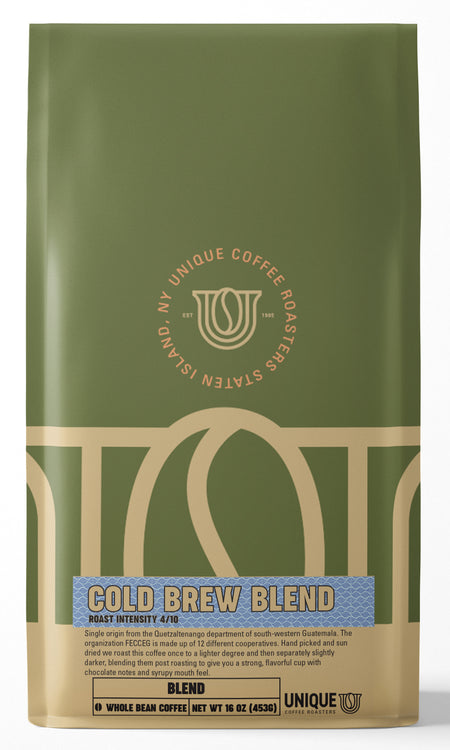
Many roasters offer blends specifically designed for cold brew. These often include a combination of Brazilian beans for body, Central American beans for sweetness, and perhaps a touch of African coffee for brightness. The goal is to create a balanced flavor that’s enjoyable on its own or in mixed drinks.
The blend’s composition is what determines the final flavor. Look for blends that list the origin of each bean. This will give you a better idea of what to expect in terms of flavor. For example, a blend that includes a significant amount of Brazilian beans will likely have a heavier body and a nutty flavor.
I’ll be honest, finding truly great pre-made cold brew blends can be tough. Many commercial blends tend to be bland or unbalanced. That’s why I often prefer to build my own, experimenting with different combinations of single-origin beans. It takes more effort, but the results are usually worth it. I’ve had success blending a Sumatran Mandheling with a Colombian Supremo, creating a rich, chocolatey cold brew with a hint of caramel sweetness.
Top Cold Brew Coffee Beans on Amazon for Your Perfect Brew
Specially roasted for cold brew extraction · Low acidity, smooth finish · Whole bean, 12 oz bag
This blend is specifically crafted for cold brewing, offering a smooth and bold flavor profile that minimizes bitterness.
Chicory blend for a unique New Orleans flavor · Coarse ground for optimal cold brew steeping · 32 oz bag
For those seeking a distinctive taste, Grady's offers a classic New Orleans style cold brew with a hint of chicory.
USDA Organic certified beans · Medium roast, balanced flavor · Whole bean, 12 oz bag
Bizzy Coffee provides an organic, medium-roast option that delivers a consistently smooth and balanced cold brew.
Instant coffee for quick preparation · Smooth and rich flavor · 14 single-serve packets
Waka Coffee offers a convenient instant cold brew option for those who prioritize speed without sacrificing a good flavor.
As an Amazon Associate I earn from qualifying purchases. Prices may vary.
Roast Level: Light, Medium, or Dark – What's Right for Cold Brew?
Roast level plays a significant role in how flavors are extracted during cold brew. Generally, medium to dark roasts are preferred because they tend to yield a smoother, less acidic concentrate. However, lighter roasts can work well with certain origins, particularly those with bright, fruity flavors.
Darker roasts can mask the origin characteristics of the bean, resulting in a more uniform flavor. They also tend to produce a bolder, more chocolatey cold brew. While some people enjoy this, others find it lacking in complexity. Lighter roasts show the bean’s inherent qualities, but can also result in a more acidic and less forgiving brew.
In my experience, the sweet spot for cold brew is a medium-dark roast. This balances flavor and body, creating a concentrate that’s both smooth and flavorful. It allows you to appreciate the nuances of the bean without sacrificing the richness and depth that many people expect from cold brew.
Identifying roast levels visually can be tricky, but here are a few clues: Light roasts are light brown in color and have no oil on the surface. Medium roasts are medium brown and may have a slight sheen of oil. Dark roasts are dark brown, almost black, and are typically oily to the touch. Remember, these are just guidelines, and there can be variations depending on the bean and the roaster.
Grind Size for Cold Brew: Getting it Just Right
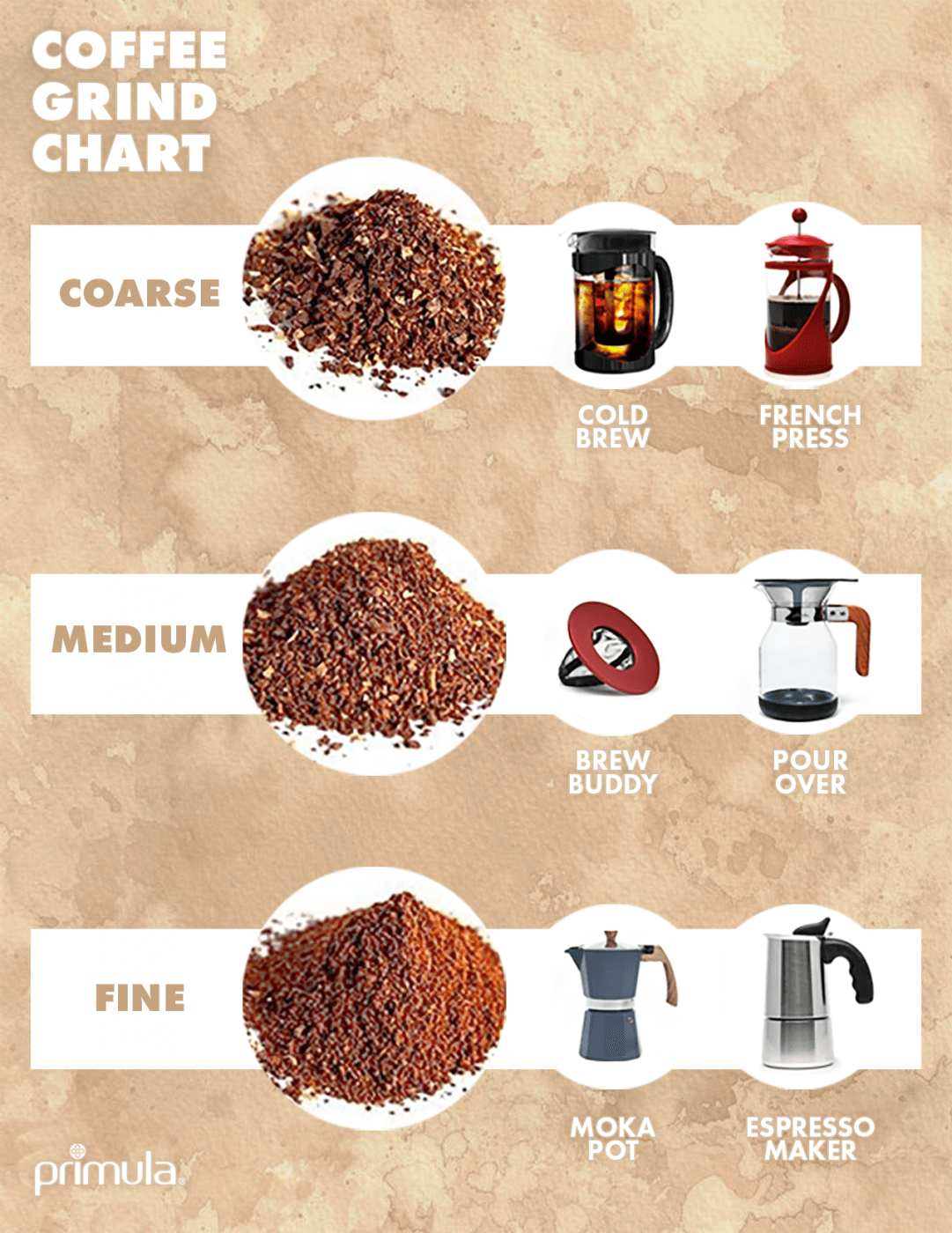
While we're focusing on the beans themselves, grind size is inextricably linked to the final result. For cold brew, a coarse grind is essential. Think of the texture of coarse sea salt or cracked peppercorns. This allows for a slow, even extraction without over-extraction, which leads to bitterness.
A finer grind will result in over-extraction, producing a muddy, bitter concentrate. It’s a common mistake that many beginners make. The increased surface area exposed by the finer grind allows the water to extract too many compounds, including undesirable ones.
A burr grinder is far superior to a blade grinder for cold brew. Burr grinders produce a consistent grind size, while blade grinders chop the beans unevenly, resulting in a mix of coarse and fine particles. This inconsistency leads to uneven extraction and a less flavorful brew. I’ve personally upgraded from a blade grinder to a Baratza Encore and the difference was immediately noticeable.
Getting the grind right is often the biggest stumbling block for people new to cold brew. Don’t be afraid to experiment and adjust the grind size until you find what works best for your beans and your brewing setup. It’s worth the effort.
Budget Breakdown: Balancing Quality and Cost
Bean price generally correlates with quality, but it’s not always a guarantee of a better cup. You can find excellent coffee beans at reasonable prices if you know where to look. The key is to prioritize quality over prestige.
Affordable, everyday beans can still produce a delicious cold brew. Look for beans from Brazil, Colombia, or Guatemala. These origins often provide consistent chocolate and nut profiles at a lower price point.r a good balance of flavor and affordability. I’ve had great success with SF Bay Coffee’s French Roast, which consistently delivers a rich, chocolatey cold brew without breaking the bank.
Premium specialty beans, on the other hand, offer a more complex and nuanced flavor experience. These beans are often sourced from small farms and roasted in small batches. They come with a higher price tag, but can be worth it if you’re a true coffee connoisseur. Counter Culture Coffee and Intelligentsia Coffee are two well-respected roasters that offer a wide selection of specialty beans.
Finding good value requires a bit of research. Look for beans that are freshly roasted and ethically sourced. Don’t be afraid to try different brands and origins until you find what you like. Remember, the best coffee is the coffee you enjoy.
Coffee Bean Price Comparison (as of November 2024)
| Bean Variety | Origin | Retailer | Price per Pound (USD) |
|---|---|---|---|
| Sumatra Mandheling | Indonesia | Amazon | Ranges from $15 - $22 |
| Ethiopian Yirgacheffe | Ethiopia | Specialty Coffee Website (e.g., Stumptown) | Approximately $20 - $28 |
| Colombian Supremo | Colombia | Amazon | Typically $12 - $18 |
| Brazilian Santos | Brazil | Specialty Coffee Website (e.g., Intelligentsia) | Around $14 - $21 |
| Guatemalan Antigua | Guatemala | Amazon | Ranges from $16 - $24 |
| Dark Roast Blend | Various | Specialty Coffee Website (e.g., Peet's Coffee) | Approximately $18 - $25 |
| Mexican Chiapas | Mexico | Amazon | Generally $10 - $16 |
Illustrative comparison based on the article research brief. Verify current pricing, limits, and product details in the official docs before relying on it.
Beyond the Bean: Water Quality and Brewing Ratio
While we’ve focused on the beans, don’t underestimate the impact of water quality on cold brew flavor. Filtered water is essential. Tap water often contains chlorine and other impurities that can detract from the coffee’s flavor. I always use a Brita filter or similar.
Brewing ratio is also important. A good starting point is a 1:8 coffee-to-water ratio (1 part coffee to 8 parts water). This will produce a concentrate that’s strong enough to be diluted with water or milk. However, you can adjust the ratio based on your personal preference. If you prefer a stronger concentrate, use a 1:6 ratio. If you prefer a weaker concentrate, use a 1:10 ratio.
For Ethiopian Yirgacheffe, I like to use a 1:9 ratio to highlight its delicate flavors. For Sumatran Mandheling, I prefer a 1:8 ratio to emphasize its boldness. And for Kenyan AA, I use a 1:8.5 ratio to balance its acidity and sweetness.
Where to Buy: Finding Your Perfect Beans
Finding the right beans often means finding the right retailer. Online is a great place to start, offering a huge selection and convenient delivery. Some reputable options include Trade Coffee (tradecoffee.com), which curates beans from various roasters, and Happy Mug Coffee (happymugcoffee.com), known for its fresh-roasted beans.
For single-origin options, check out Onyx Coffee Lab (onyxcoffeelab.com) and Passenger Coffee (passengercoffee.com). Both roasters are committed to quality and sustainability. If you prefer blends, look at Stumptown Coffee Roasters (stumptowncoffee.com) or Intelligentsia Coffee (intelligentsiacoffee.com).
Don’t overlook local coffee roasters. They often offer the freshest beans and can provide personalized recommendations. Many grocery stores also carry a decent selection of coffee beans, but be sure to check the roast date to ensure freshness.
Finally, consider a coffee subscription service. These services deliver freshly roasted beans to your door on a regular basis, allowing you to try different beans without committing to a large purchase. Atlas Coffee Club (atlascoffeeclub.com) and Bean Box (beanbox.com) are two popular options.
No comments yet. Be the first to share your thoughts!