

The Basics: How They’re Made
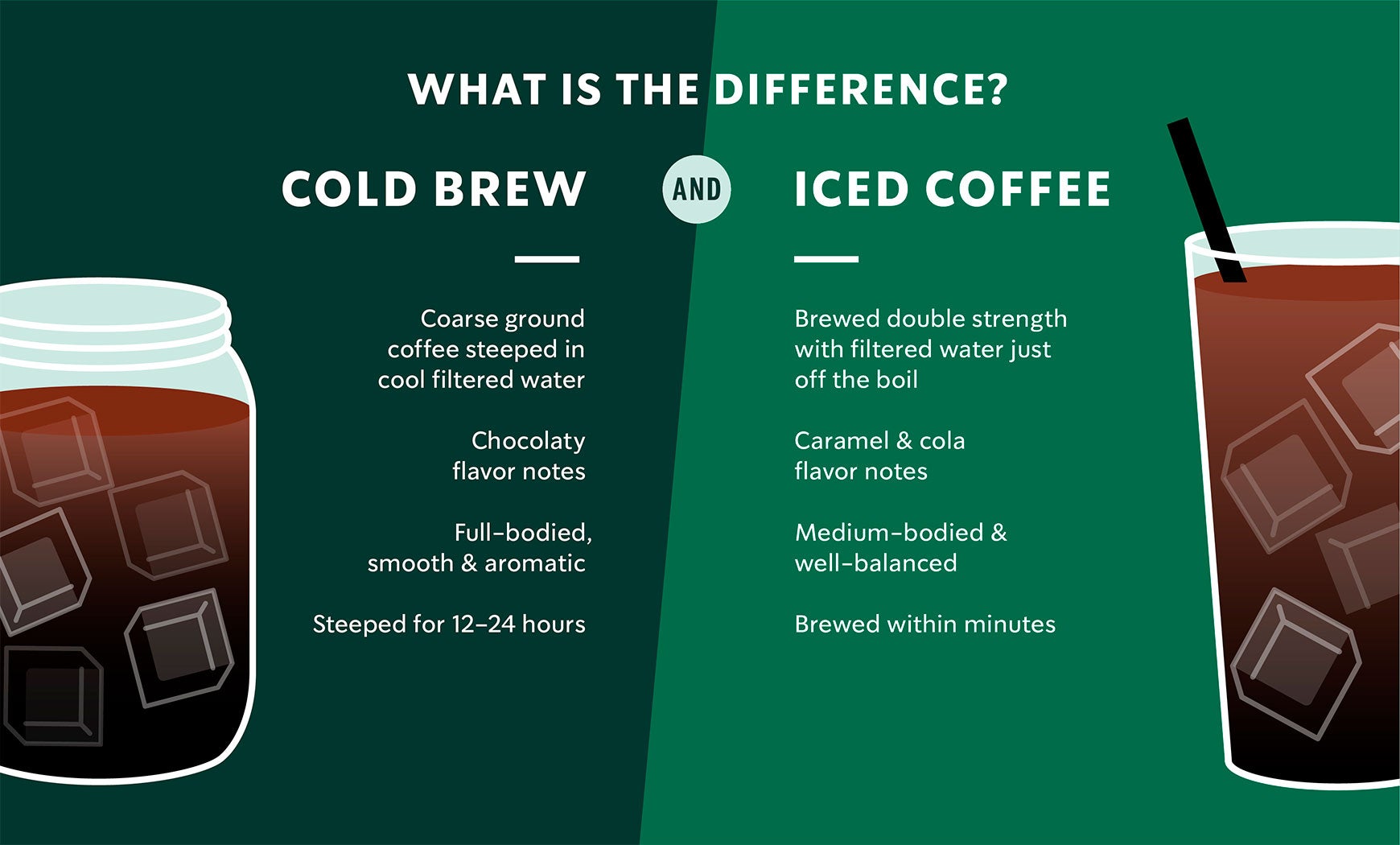
The difference between cold brew and iced coffee comes down to one thing: time. Iced coffee is simply regular hot-brewed coffee that has been cooled down, either by refrigerating it or pouring it directly over ice. It retains the bright, acidic notes of traditional brewing, offering a quick caffeine fix with familiar caramel and cola undertones.
Cold brew is entirely different. It is made by steeping coarse coffee grounds in cold water for 12 to 24 hours. This slow extraction process breaks down the acids and oils differently, resulting in a smoother, naturally sweeter profile with hints of chocolate. Because it is concentrated, cold brew is often diluted before serving, while iced coffee is usually ready to drink immediately after cooling.
Follow the process
Cold Brew vs Iced Coffee works best as a sequence, not a pile of settings. Do the minimum first: confirm compatibility, connect the primary device, update only when needed, and test the result before adding optional features. That order keeps the task understandable and makes failures easier to isolate. After each step, pause long enough for the device or app to finish syncing. Many setup problems are timing problems disguised as configuration problems. If the same step fails twice, record the exact error, restart the smallest affected piece, and retry before moving deeper.
Avoid these common cold brew and iced coffee mistakes
Many people treat cold brew and iced coffee as interchangeable, but confusing their preparation methods leads to disappointing results. The most frequent error is assuming that any cold coffee tastes the same. In reality, the difference between a smooth, low-acid cold brew and a bright, caffeinated iced coffee comes down to extraction time and water temperature.
1. Using hot water to make cold brew Some home brewers try to speed up the process by steeping grounds in warm or hot water, then chilling the result. This method produces a bitter, over-extracted liquid that lacks the natural sweetness characteristic of true cold brew. Cold brew requires patience; steeping coarse grounds in cold water for 12 to 24 hours allows for a gentle extraction that highlights chocolate and fruity notes without pulling out harsh tannins.
2. Pouring hot coffee directly over ice For iced coffee, pouring freshly brewed hot coffee directly over a full glass of ice causes rapid dilution. The ice melts before the coffee cools sufficiently, leaving you with a watery, flavorless drink. To avoid this, brew your coffee at double strength or use "coffee ice cubes" made from leftover cold brew or previously brewed coffee. This keeps the drink cold and flavorful without watering it down.
3. Ignoring grind size The grind size dictates the flavor profile for both drinks, but they require different settings. For cold brew, use a coarse grind similar to sea salt. Fine grounds will over-extract during the long steep, creating a muddy, bitter sludge. For iced coffee, use a standard medium grind suitable for your drip or pour-over method, ensuring the hot water extracts the desired acidity and aroma quickly.
4. Storing cold brew incorrectly Cold brew concentrate is versatile, but it doesn't last forever. Store it in an airtight container in the refrigerator for up to two weeks. If you leave it at room temperature, it will spoil quickly and develop off-flavors. Never mix milk or sweeteners into the concentrate before storage, as these ingredients accelerate spoilage. Add them fresh when serving.
By understanding these distinctions, you can choose the right method for your taste preferences and avoid the common pitfalls that ruin both drinks.
Common questions
Cold brew and iced coffee often end up in the same pitcher, but they start differently. Iced coffee is hot-brewed coffee cooled down, usually by pouring it over ice. Cold brew is steeped in cold water for 10 to 24 hours, which changes the chemistry of the drink entirely.
The steeping process extracts fewer acidic compounds, giving cold brew a naturally smoother, less bitter profile. You can taste the difference: cold brew leans toward chocolatey notes, while iced coffee retains the caramel and fruity tones of hot brewing.
No comments yet. Be the first to share your thoughts!