
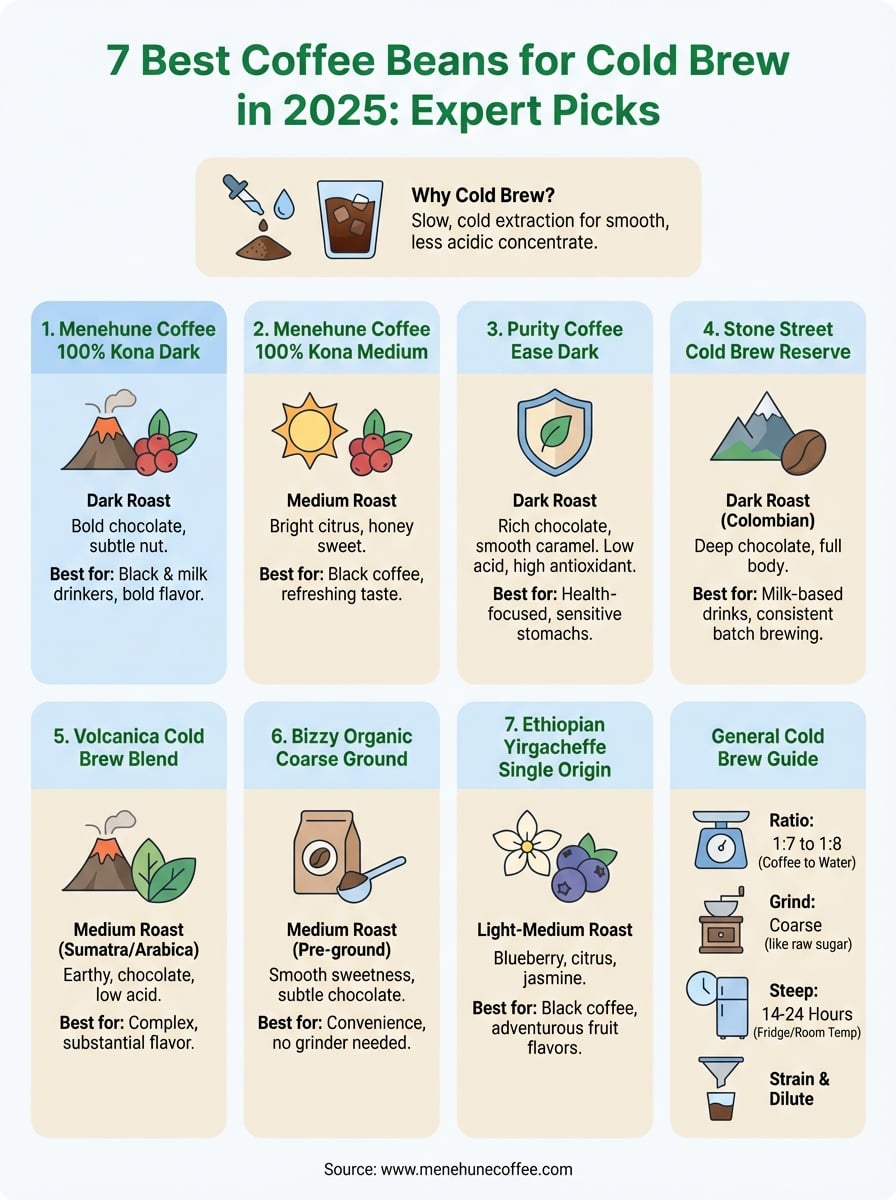

Best Coffee Beans for Cold Brew 2024: Expert Guide to Perfect Ratios and Flavor Profiles - Part 1
Understanding Cold Brew Fundamentals
Cold brew coffee has transformed from a niche brewing method to a mainstream favorite, capturing coffee enthusiasts with its smooth, naturally sweet profile and significantly lower acidity compared to traditional hot brewing methods. The cold extraction process, which typically takes 12-24 hours, draws out different compounds from coffee beans, resulting in a concentrate that highlights chocolate, caramel, and nutty notes while minimizing bitter and acidic elements.
The foundation of exceptional cold brew lies in two critical factors: selecting the right coffee beans and mastering proper brewing ratios. Unlike hot brewing methods that can mask certain bean characteristics, cold brew amplifies the inherent qualities of your chosen coffee, making bean selection paramount to your final cup's success.
Why Bean Selection Matters for Cold Brew
The extended steeping time in cold brew extraction means that every aspect of your coffee beans becomes magnified in the final product. Beans with natural sweetness, low acidity, and robust flavor profiles perform exceptionally well in cold brew applications. The cold water extraction process is gentler than hot water, which means it won't extract the harsh tannins and acids that can create bitterness in hot coffee, but it also won't mask poor-quality beans.
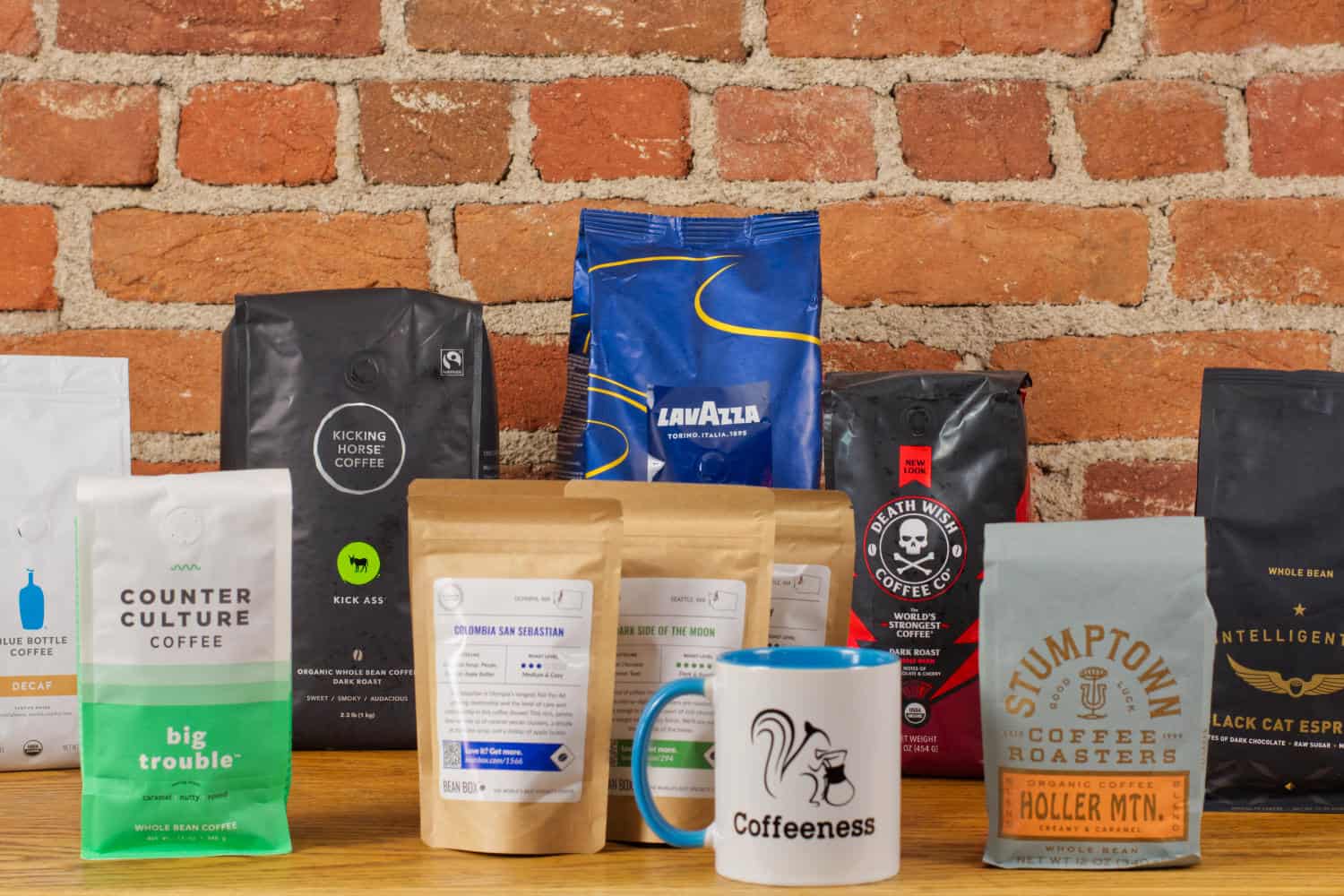
Medium to dark roasts are generally preferred for cold brew because the roasting process develops oils and caramelizes sugars that contribute to the rich, smooth characteristics we associate with excellent cold brew. These roast levels also provide the body and depth needed to create a concentrate that remains flavorful even when diluted with water or milk.
Optimal Coffee Bean Origins for Cold Brew
Geographic origin plays a crucial role in determining a coffee bean's suitability for cold brew. Certain growing regions produce beans with flavor profiles that naturally complement the cold brewing process:
Brazilian Coffee Beans are renowned for their chocolatey, nutty characteristics and natural sweetness. The country's diverse growing regions produce beans with low acidity and full body, making them ideal for cold brew applications. Brazilian beans often exhibit notes of chocolate, caramel, and nuts that become beautifully pronounced in cold extraction.
Guatemalan Coffee offers rich, full-bodied beans with chocolate and spice notes. The volcanic soil and high altitude growing conditions create beans with complex flavor profiles that maintain their character throughout the long cold brewing process.
Colombian Coffee Beans provide balanced acidity with caramel sweetness and nutty undertones. While Colombian beans can vary significantly by region, those from areas like Huila and Nariño are particularly well-suited for cold brew due to their natural sweetness and medium body.
Coffee Bean Origins: Cold Brew Suitability Analysis
| Origin | Acidity Level | Primary Flavor Notes | Body | Cold Brew Rating |
|---|---|---|---|---|
| Colombian (Huila) | Medium | Chocolate, Caramel, Orange | Medium | 9/10 |
| Brazilian (Cerrado) | Low | Nutty, Chocolate, Brown Sugar | Full | 9/10 |
| Guatemalan (Antigua) | Medium-High | Spicy, Smoky, Dark Chocolate | Full | 8/10 |
| Ethiopian (Sidamo) | High | Floral, Wine-like, Citrus | Light-Medium | 6/10 |
| Sumatran (Mandheling) | Low | Earthy, Herbal, Cedar | Full | 8/10 |
| Mexican (Chiapas) | Medium | Chocolate, Vanilla, Mild Fruit | Medium | 7/10 |
| Jamaican Blue Mountain | Low-Medium | Mild, Sweet, Balanced | Medium | 8/10 |
| Costa Rican (Tarrazú) | Medium-High | Citrus, Chocolate, Bright | Medium | 7/10 |
Sumatran Coffee brings earthy, herbal characteristics with low acidity and full body. The unique wet-hulling processing method used in Sumatra creates beans with distinctive flavor profiles that translate beautifully to cold brew, offering complexity without overwhelming acidity.
Mexican Coffee Beans from regions like Chiapas and Oaxaca provide chocolate and spice notes with medium body and low acidity. These beans often exhibit natural sweetness that becomes enhanced through cold extraction.
Roast Level Considerations
While personal preference ultimately guides roast selection, certain roast levels consistently produce superior cold brew results. Medium roasts preserve origin characteristics while developing enough caramelization to provide sweetness and body. Medium-dark roasts offer increased oil development and deeper chocolate notes, creating rich, full-bodied cold brew concentrates.
Dark roasts can work well for cold brew, particularly for those who prefer bold, intense flavors. However, extremely dark roasts may become overpowering in the concentrated format typical of cold brew preparation. The key is finding the balance between roast development and origin character preservation.
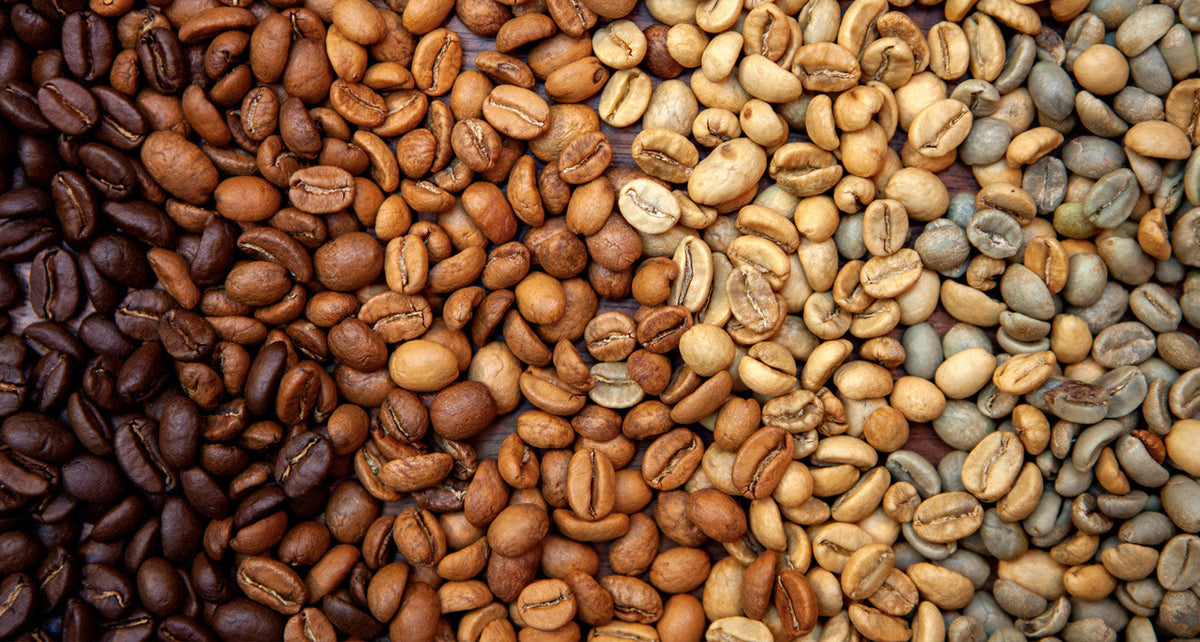
Light roasts, while popular for pour-over and other hot brewing methods, generally don't perform as well in cold brew applications. The extended extraction time may not be sufficient to fully develop the flavors locked within lightly roasted beans, potentially resulting in weak or underdeveloped cold brew.
What Makes Cold Brew Different
Understanding the science behind cold brew extraction helps explain why certain beans excel in this brewing method. Cold water extracts compounds differently than hot water, pulling fewer acids and tannins while still extracting caffeine, sugars, and flavor oils. This selective extraction creates the characteristic smooth, sweet profile that makes cold brew so appealing.
The extended brewing time allows for complete saturation and gentle extraction, which is why coarser grinds are essential for cold brew success. Fine grinds can lead to over-extraction and bitter flavors, even in cold water, while coarse grinds allow for optimal extraction timing and easier filtration.
Perfect Cold Brew Ratios and Brewing Methods
Achieving the perfect cold brew requires precision in both coffee-to-water ratios and brewing techniques. The standard ratio for cold brew concentrate ranges from 1:4 to 1:8, depending on your desired strength and serving preferences. Most coffee professionals recommend starting with a 1:5 ratio (1 part coffee to 5 parts water) for a balanced concentrate that can be diluted to taste.
Cold Brew Coffee-to-Water Ratios: Strength, Flavor Profiles, and Use Cases
| Ratio (Coffee:Water) | Brew Strength | Flavor Profile | Best Use Case | Brewing Time |
|---|---|---|---|---|
| 1:4 | Very Strong Concentrate | Intense, bold, syrupy with pronounced coffee oils | Dilute with milk or water for multiple servings | 12-18 hours |
| 1:5 | Strong Concentrate | Rich, full-bodied with chocolate and caramel notes | Mix with equal parts milk or cold water | 12-16 hours |
| 1:6 | Medium Concentrate | Balanced, smooth with subtle sweetness | Serve over ice with light milk or cream | 12-15 hours |
| 1:7 | Regular Strength | Clean, refreshing with bright acidity | Ready-to-drink, minimal dilution needed | 12-14 hours |
| 1:8 | Light Strength | Mild, tea-like with delicate coffee notes | Direct consumption, perfect for sensitive palates | 12-14 hours |
| 1:10 | Very Light | Subtle, smooth with minimal bitterness | Iced coffee alternative, no dilution required | 14-16 hours |
For those new to cold brew preparation, understanding these ratios is crucial for consistent results. A stronger concentrate (1:4 ratio) provides more flexibility for dilution and creates a robust base for iced lattes or flavored cold brew drinks. Conversely, a milder ratio (1:8) produces a ready-to-drink cold brew that requires minimal adjustment.
Grind Size and Extraction Timing
The coarse grind is essential for cold brew success. Coffee grounds should resemble coarse sea salt or breadcrumbs, allowing for optimal extraction without over-extraction that leads to bitterness. Fine grinds can result in muddy, over-extracted cold brew that defeats the purpose of this gentle brewing method.
Steeping time directly correlates with flavor intensity and extraction efficiency. The sweet spot for most cold brew preparations falls between 12 to 24 hours. Shorter steeping times (8-12 hours) work well for lighter roasts and produce brighter, more acidic profiles, while longer steeping periods (18-24 hours) enhance the deep, chocolatey notes found in darker roasts.
Temperature and Environment Considerations
Room temperature steeping versus refrigerated brewing affects extraction rates and final flavor profiles. Room temperature brewing accelerates extraction, reducing steeping time to 12-16 hours, while refrigerated brewing requires the full 18-24 hours but produces cleaner, more controlled flavors.
Water quality plays an often-overlooked role in cold brew excellence. Filtered water with balanced mineral content enhances coffee flavors without introducing unwanted tastes. Avoid distilled water, which can produce flat-tasting cold brew, and heavily mineralized water that may create harsh or metallic notes.
Equipment and Filtration Methods
Cold brew preparation doesn't require expensive equipment, but certain tools can improve consistency and ease of preparation. French presses work excellently for small batches, while dedicated cold brew makers with built-in filtration systems streamline larger batch production.
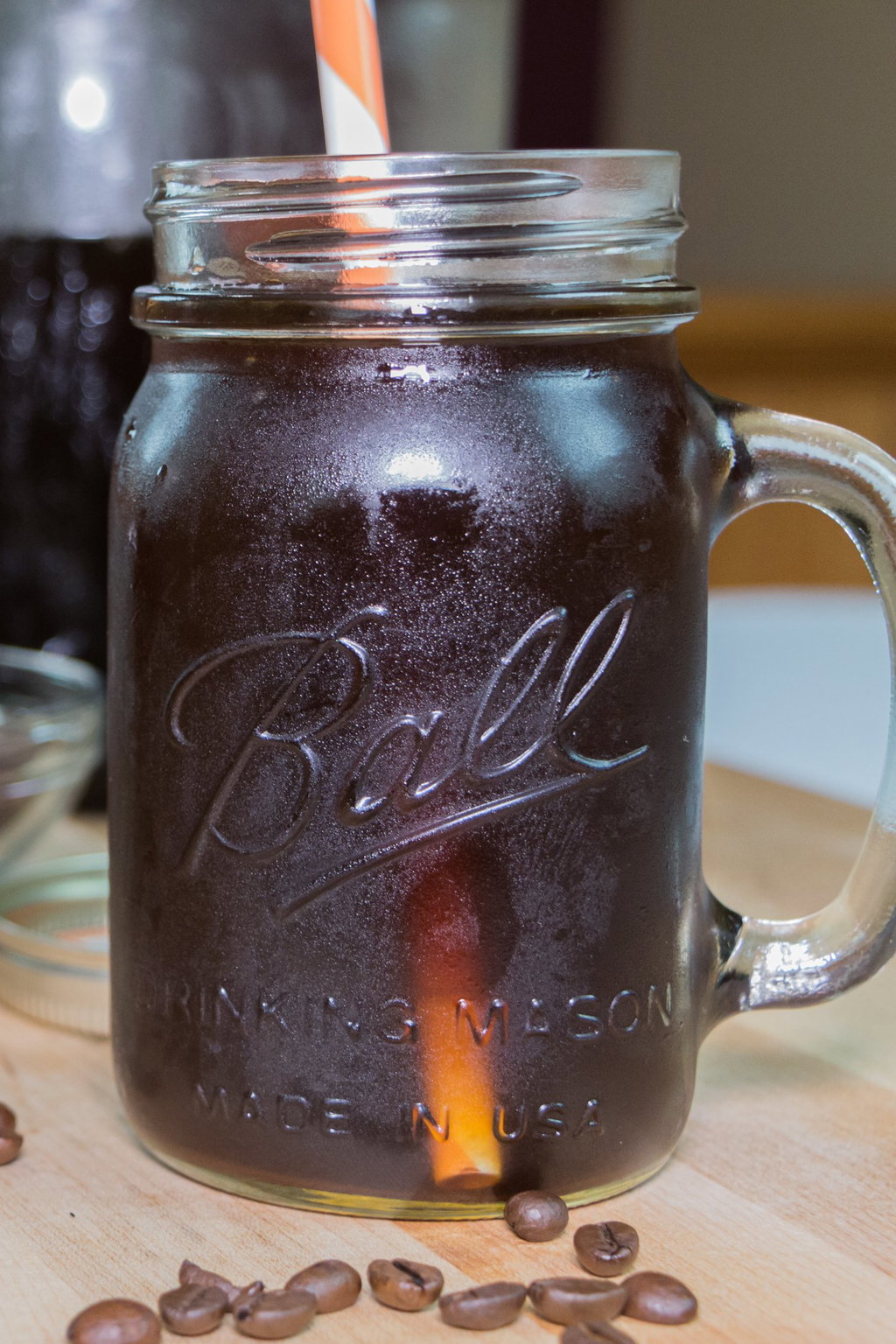
Filtration significantly impacts the final product's clarity and mouthfeel. Double filtration through coarse mesh followed by fine filtration produces clean, sediment-free cold brew. Some brewers prefer single filtration for a fuller body, while others use paper filters for maximum clarity.
Storage and Shelf Life Optimization
Proper storage extends cold brew concentrate's usability and maintains flavor integrity. Concentrated cold brew stored in airtight containers in the refrigerator maintains peak quality for 7-10 days, though it remains safe to consume for up to two weeks. Glass containers are preferred over plastic for longer storage periods.
Dilution ratios for serving depend on personal preference and intended use. For drinking cold brew straight, dilute concentrate 1:1 with cold water or milk. For iced coffee drinks, use a 2:1 concentrate-to-liquid ratio to account for ice dilution. Hot weather consumption may require additional dilution to maintain refreshing qualities.
Troubleshooting Common Issues
Weak cold brew often results from insufficient coffee quantity, inadequate steeping time, or grind size that's too coarse. Conversely, overly bitter cold brew indicates over-extraction from fine grinds, excessive steeping time, or poor-quality water. Adjusting these variables systematically helps achieve consistent results.
Cloudy cold brew typically stems from inadequate filtration or agitation during steeping. Gentle stirring once during the brewing process helps ensure even extraction without disturbing the grounds excessively. Multiple filtration stages eliminate cloudiness while preserving flavor complexity.
Advanced Cold Brew Techniques and Troubleshooting
Mastering cold brew extends beyond selecting the right beans and ratios. Advanced techniques can elevate your cold brew from good to exceptional, while understanding common issues helps ensure consistent results every time.
Temperature Control and Extraction Optimization
While cold brew is brewed at room temperature or cooler, slight temperature variations can significantly impact extraction. The optimal brewing temperature ranges between 65-75°F (18-24°C). Higher temperatures accelerate extraction but may introduce unwanted acidity, while lower temperatures slow the process and can result in under-extraction.
For maximum flavor extraction, consider these advanced techniques:
- Pre-infusion: Wet your coffee grounds with a small amount of room temperature water and let sit for 30 seconds before adding the remaining water
- Agitation method: Gently stir the mixture every 4-6 hours during brewing to ensure even extraction
- Bloom technique: Allow freshly ground coffee to degas for 2-3 minutes before beginning the brewing process
Flavor Profile Customization
Different brewing vessels and filtration methods can dramatically alter your cold brew's final taste profile. Glass containers provide the cleanest flavor, while stainless steel can add subtle metallic notes. Plastic containers should be avoided as they can absorb and transfer flavors.
Filtration plays a crucial role in determining your cold brew's body and clarity. Paper filters produce a cleaner cup with bright flavors, while metal filters allow more oils and fine particles through, creating a fuller body with richer mouthfeel.
Storage and Serving Optimization
Proper storage extends your cold brew's shelf life and maintains optimal flavor. Cold brew concentrate can be stored in the refrigerator for up to two weeks when kept in an airtight container. However, peak flavor is achieved within the first week of brewing.
When serving, the dilution ratio becomes critical. A 1:1 ratio of concentrate to water or milk creates a standard strength cold brew, while a 2:1 ratio produces a lighter version perfect for those sensitive to caffeine. For iced lattes, use a 1:2 ratio of concentrate to milk.
Cost-Effectiveness Analysis
Understanding the economics of cold brew helps justify the initial investment in quality beans and equipment. Home brewing cold brew costs approximately 60-70% less than purchasing ready-made versions from coffee shops.
Quality Assessment and Troubleshooting
Identifying and correcting common cold brew issues ensures consistent results:
- Over-extraction: Results in bitter, harsh flavors. Reduce brewing time or use a coarser grind
- Under-extraction: Produces weak, sour notes. Increase brewing time or use a finer grind
- Sediment issues: Caused by too fine a grind or inadequate filtration. Use coarser grounds and double-strain
Professional Tips for Consistency
Achieving cafe-quality cold brew at home requires attention to detail and consistency in your process. Keep detailed brewing logs noting grind size, water temperature, brewing time, and taste results. This data helps replicate successful batches and identify areas for improvement.
Seasonal Adaptations
Adjusting your cold brew approach based on seasonal preferences enhances year-round enjoyment. Summer calls for lighter, more refreshing profiles achieved through shorter brewing times and higher dilution ratios. Winter preferences lean toward richer, more concentrated brews that pair well with warming spices like cinnamon or cardamom.
Environmental factors also influence brewing. Higher humidity can affect grind consistency and extraction rates, while altitude changes impact water's boiling point and oxygen content, subtly altering flavor development.
Advanced Equipment Considerations
While basic cold brew requires minimal equipment, specialized tools can enhance your brewing experience. Immersion circulators maintain precise temperatures, while specialized cold brew makers with built-in filtration systems streamline the process.
The investment in quality equipment pays dividends in consistency and convenience. However, exceptional cold brew can still be achieved with basic kitchen tools and careful attention to technique.
No comments yet. Be the first to share your thoughts!