

The 1:8 baseline
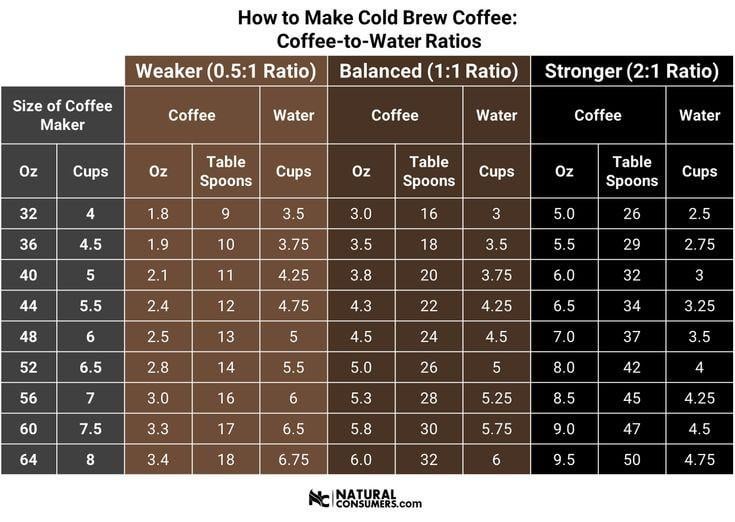
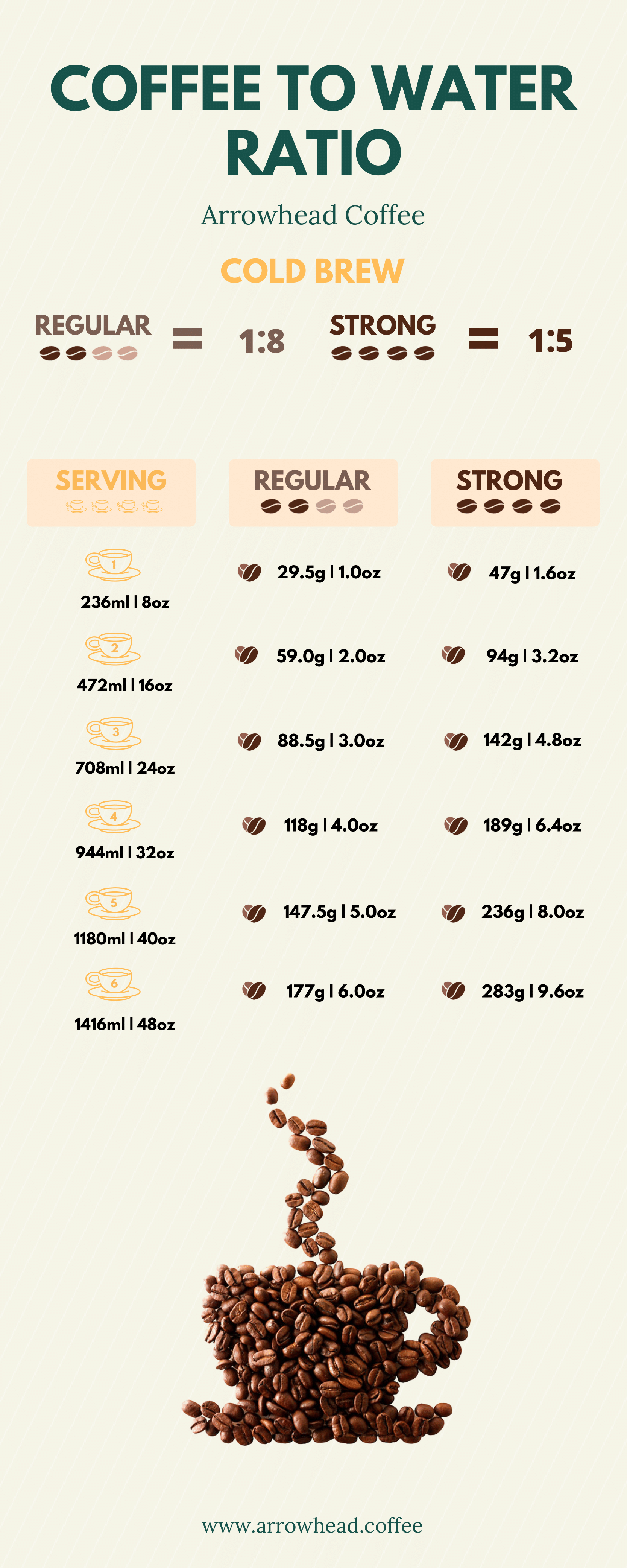
When people talk about cold brew ratios, the 1:8 coffee-to-water ratio is almost always the first thing mentioned. It’s a widely cited guideline, and for good reason. This means for every 1 part coffee, you use 8 parts water. So, 1 cup of coffee grounds to 8 cups of water, or, if you prefer to measure by weight, 100 grams of coffee to 800 grams of water.
This ratio works well because it provides a good balance between strength and flavor for many different coffee beans. It’s strong enough to produce a concentrated brew, but not so strong that it’s immediately overpowering. It provides a good base for dilution, allowing you to customize the strength to your liking. However, remember that this is a guideline, not a rigid rule.
Grind size is the other half of this equation. You need a coarse grind—think sea salt. If the grounds are too fine, the water extracts too much too fast, and the 1:8 ratio won't save you from a bitter batch.
Ratios for concentrates
If you like your cold brew strong, or you prefer the flexibility of a concentrate, you’ll want to explore lower ratios. Common ratios for concentrate are 1:4 or 1:6. This means using significantly less water – 1 part coffee to 4 or 6 parts water, respectively. This yields a highly concentrated brew that needs to be diluted before drinking.
The benefit of a concentrate is its versatility. You can dilute it with water, milk, or even sparkling water to create a variety of different drinks. It’s also convenient – you can make a large batch of concentrate and have cold brew on hand for days. However, proper dilution is key. A 1:4 concentrate is very strong and requires careful adjustment.
I wouldn’t necessarily say concentrate is "better’ than traditionally brewed cold brew. It"s simply different. It offers more control over the final strength, but it requires a bit more effort to get right. Overly strong concentrate, without appropriate dilution, can be harsh and unpleasant.
Milder brews
Not everyone wants a super-strong cold brew. If you prefer a milder, more approachable flavor, you can increase the water ratio. Ratios like 1:10 or 1:12 will result in a less intense brew with a lighter body and more nuanced flavors.
These lower ratios are great for lighter roast coffees where you want to highlight the delicate floral or fruity notes. They also result in a lower caffeine content, which can be a plus for some. The resulting brew will be less concentrated and may require less dilution, or none at all.
This is a good starting point if you’ve found the standard 1:8 ratio to be too strong or bitter. It allows the coffee’s subtler flavors to shine through, creating a smoother, more refreshing experience.
How bean type changes the math
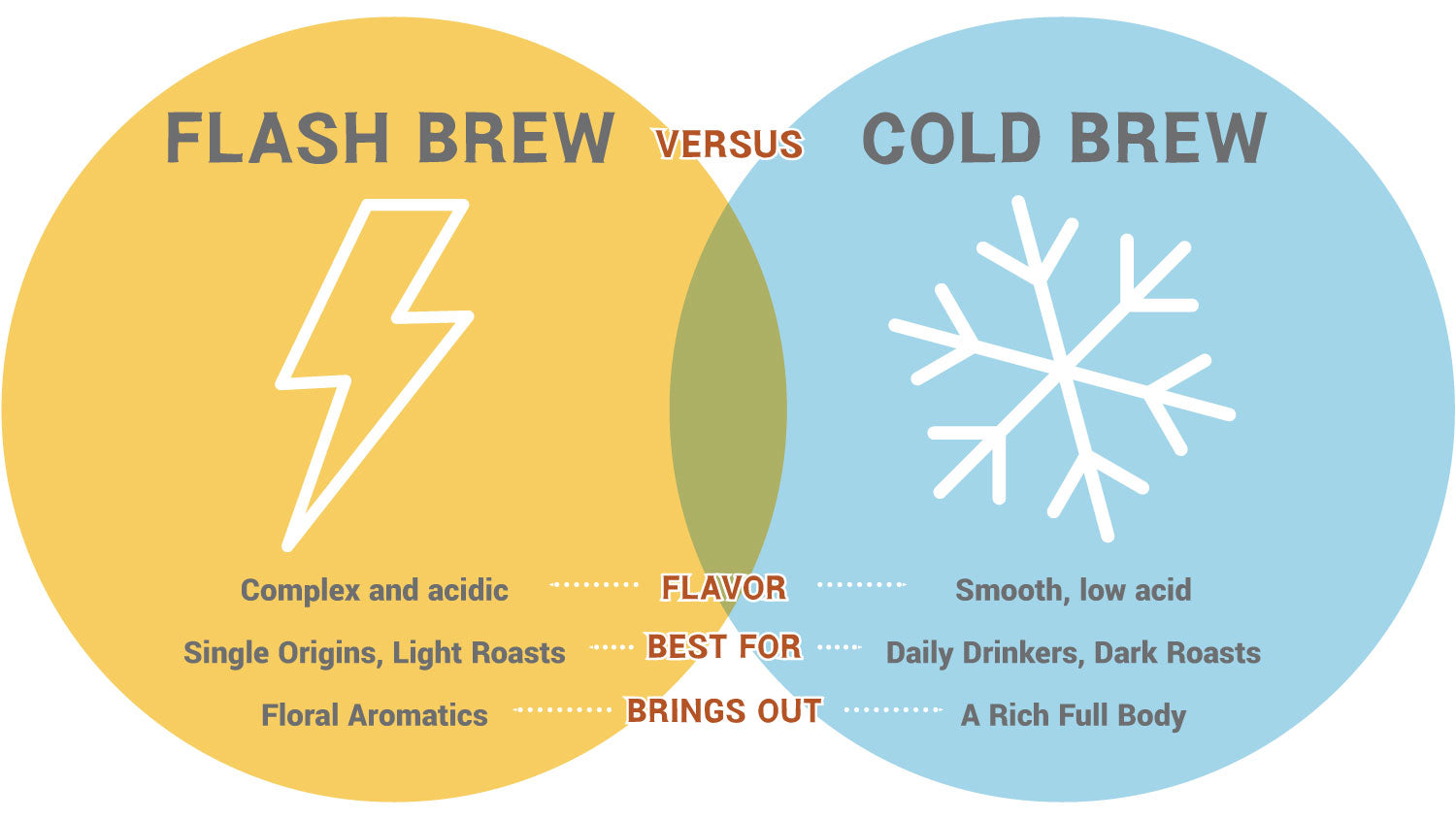
The type of coffee bean you use significantly impacts how it responds to cold brewing. Darker roasts, having already undergone more heat, tend to extract more easily. This means they can often handle a higher water ratio – potentially even exceeding 1:8 – without becoming overly bitter. They also tend to have a bolder, more chocolatey flavor profile that can stand up to dilution.
Lighter roasts, on the other hand, require a bit more finesse. They extract more slowly and may benefit from a lower ratio (closer to 1:6 or even 1:5) or a longer steep time to fully develop their flavors. The brighter, more acidic notes of lighter roasts can be easily lost if the extraction isn’t optimized.
Origin matters too. I usually push African beans to a 1:6 ratio because their floral notes can get lost if the brew is too thin. South American beans are sturdier; they usually taste fine anywhere between 1:8 and 1:10. Counter Culture Coffee published a breakdown of bean origins in 2023 that I still use for new bags.
Steep time and extraction
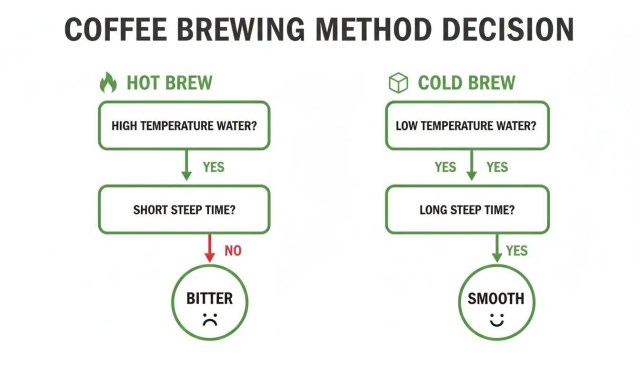
The coffee-to-water ratio isn’t the only factor at play. Steep time and ratio are intertwined. If you’re experimenting with a shorter steep time – say, 12-16 hours – you might need to slightly lower the ratio to achieve the desired strength. The shorter steep time means less extraction, so you need to compensate with more coffee.
Conversely, if you’re steeping for a longer time – 24 hours or more – you might be able to get away with a higher ratio. The extended steep time allows for more thorough extraction, meaning you don’t need as much coffee to achieve the same level of strength. However, be mindful of the potential for bitterness with very long steep times.
I'm not entirely sure what the ideal combination is – it truly depends on your beans and your taste. The key is to understand the trade-offs: longer steep times can develop more flavor, but also increase the risk of bitterness. Shorter steep times require a lower ratio to compensate, but might result in a weaker brew.
Recommended Cold Brew Ratios Based on Coffee Characteristics
| Roast Level | Origin | Flavor Profile | Recommended Ratio Range (Coffee:Water) | Notes |
|---|---|---|---|---|
| Light Roast | African (Ethiopia, Kenya) | Fruity/Floral | 1:8 to 1:12 | Lighter roasts generally require a higher ratio to extract sufficient flavor and body. African coffees, known for their bright acidity, benefit from a slightly lower ratio within this range to preserve those delicate notes. |
| Medium Roast | Central/South American (Colombia, Guatemala) | Chocolate/Nutty | 1:10 to 1:15 | Medium roasts offer a balance of flavor and body. A standard ratio works well, but adjust based on desired strength. Central/South American coffees often exhibit balanced profiles, making them versatile for cold brew. |
| Dark Roast | Indonesian (Sumatra, Java) | Earthy/Spicy | 1:12 to 1:18 | Darker roasts can become bitter if over-extracted. A lower coffee concentration is recommended. Indonesian coffees, with their bold, earthy flavors, can handle a slightly higher water ratio to mellow the intensity. |
| Light Roast | Central/South American | Chocolate/Nutty | 1:9 to 1:14 | While light roasts typically need more coffee, Central/South American beans with chocolate/nutty notes can yield a good brew with a slightly less concentrated ratio than floral/fruity African beans. |
| Medium Roast | African | Fruity/Floral | 1:8 to 1:13 | Combining a medium roast with the bright flavors of African beans requires careful balancing. Start with a lower ratio and adjust to highlight the fruitiness without sacrificing body. |
| Dark Roast | African | Fruity/Floral | 1:15 to 1:20 | This combination is less common as the roast can overwhelm the delicate floral notes. A significantly diluted ratio is needed to prevent bitterness and allow some of the fruit to shine through. |
| Medium Roast | Indonesian | Earthy/Spicy | 1:11 to 1:16 | Indonesian coffees' inherent boldness pairs well with medium roasts. Adjust within this range to find the balance between earthiness and a smoother body. |
| Light Roast | Indonesian | Earthy/Spicy | 1:10 to 1:16 | This pairing can be challenging. A lighter roast won’t fully tame the Indonesian coffee’s strong flavors, but a careful ratio can create an interesting, complex brew. |
Illustrative comparison based on the article research brief. Verify current pricing, limits, and product details in the official docs before relying on it.
Dialing it in
Ultimately, the best cold brew ratio is the one that you enjoy the most. Don’t be afraid to experiment! Start with the 1:8 ratio as a baseline, and then adjust in small increments. Try 1:7.5, then 1:8.5, and so on. Small changes can make a big difference.
The most important thing is to keep detailed notes. Track your ratios, steep times, bean types, grind size, and, most importantly, your tasting notes. What did you like? What didn’t you like? What would you change next time?
A simple spreadsheet or even a notebook can be incredibly helpful. Over time, you’ll start to develop a sense of what works best for different beans and different flavor profiles. You’ll become your own cold brew expert, capable of consistently brewing a perfect cup.
Fixing common mistakes
Running into trouble? Here are a few common issues and how to address them. If your cold brew is consistently too weak, try lowering the ratio (e.g., from 1:8 to 1:7) or increasing the steep time. If it’s too bitter, try increasing the ratio (e.g., from 1:8 to 1:9) or decreasing the steep time.
If your coffee looks muddy, your grind is too fine. Tiny particles are slipping through your filter and continuing to brew in the jar. Switch to a coarser setting or try a paper filter inside your mesh strainer. Sky Cold Brew has a visual guide on their site that shows exactly what the texture should look like.
Remember, finding the perfect ratio is a process of trial and error. Don’t get discouraged if your first few attempts aren’t perfect. Keep experimenting, keep taking notes, and you’ll eventually dial in a recipe that consistently delivers a delicious cup.

No comments yet. Be the first to share your thoughts!