

Cold brew trends in 2026
Cold brew is everywhere now, from gas stations to high-end cafes. By 2026, the focus has shifted from just having a cold caffeine fix to obsessing over how that caffeine is extracted. We want better flavor, but we don't want to work harder for it.
The driving forces are a few key shifts in consumer behavior. People want quality, but they also want it easily. The 'third wave' coffee movement, with its focus on origin, processing, and brewing technique, continues to influence the market, but now it's blending with a demand for accessibility. We're seeing a push for methods that deliver exceptional flavor without requiring a barista-level skillset.
This isn’t just about inventing entirely new ways to brew. A lot of the energy is going into refining existing methods – optimizing immersion times, experimenting with different filtration, and integrating technology to automate the process. The rise of at-home brewing, fueled by the pandemic, has also played a significant role; people invested in the equipment and are now looking for ways to elevate their home cold brew game.
In 2026, expect to see a blurring of lines between traditional techniques and modern technology. Consumers are more informed and discerning than ever before, and they’re willing to experiment with methods that offer a unique and personalized coffee experience. The trends we'll explore aren't isolated; they often build upon or combine elements from one another.
Japanese slow drip and the patience tax
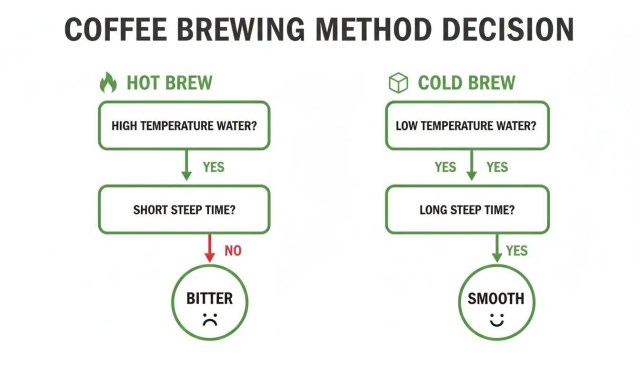
The Japanese slow drip method, often called Kyoto-style or Ichigo drip, is experiencing a surge in popularity. It’s a process that demands patience – water is dripped, one drop at a time, through a bed of coffee grounds, taking several hours to complete. This isn’t about speed; it’s about extraction and the ritual of brewing.
The equipment is fairly simple: a special slow drip tower, filter papers, and a server. However, the details matter. Grind size needs to be medium-coarse, similar to what you’d use for a French press. Water temperature is typically around 175-185°F. The key is consistency – maintaining a steady drip rate is essential for even extraction.
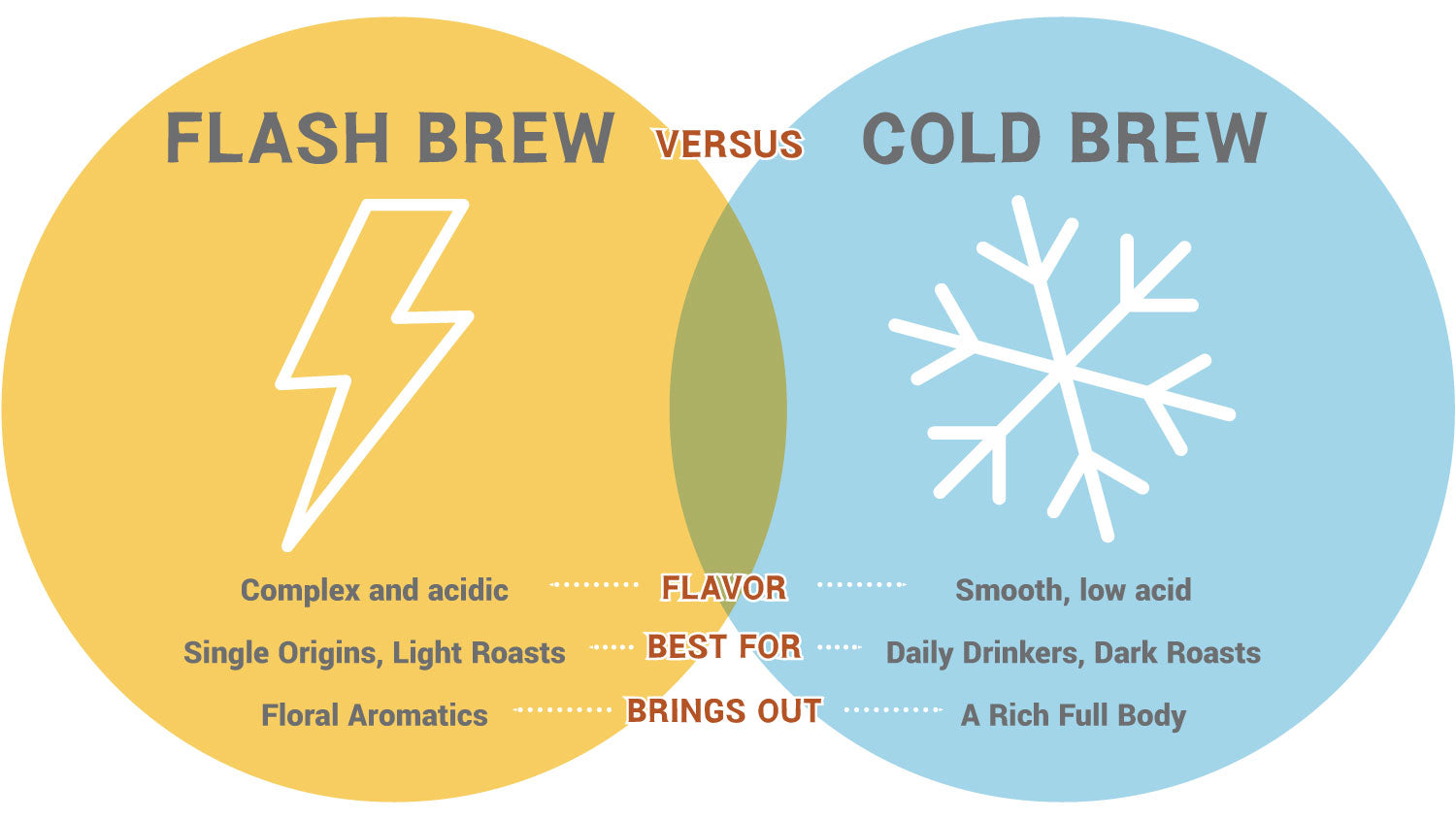
What sets this method apart is the flavor profile. The slow drip process results in a remarkably clean, delicate, and nuanced cup of coffee. It highlights the origin characteristics of the beans, offering a brighter acidity and a smoother body. People are experimenting with different filter papers – some prefer cloth filters for a fuller body, while others stick with paper for maximum clarity.
Longer bloom times help, but let's be honest: most people won't spend four hours watching water drip. The towers are expensive and fragile. It's a hobbyist's method, rewarding those who care more about clarity than convenience.
I’ve found that lighter-roast, single-origin coffees work best with this method, allowing their subtle flavors to shine. A washed Ethiopian Yirgacheffe, for example, would be an excellent choice. The process really lets the floral and citrus notes come through.
- Grind coffee to a medium-coarse consistency.
- Place a filter paper in the slow drip tower.
- Add the coffee grounds to the filter.
- Slowly drip hot water (175-185°F) over the grounds, maintaining a consistent rate.
- Allow the coffee to drip for several hours.
- Enjoy the clean, delicate flavor!
Nitro goes small-scale
Nitro cold brew has already established itself as a popular choice, known for its creamy texture and cascading bubbles. But the trend in 2026 isn’t just about the novelty of the effect; it’s about making it more accessible and refining the experience.
We’re seeing advancements in home nitro systems. Early models were often bulky and expensive, but newer options are becoming more compact, affordable, and user-friendly. Brands are focusing on ease of use – simpler charging mechanisms, more intuitive controls, and easier cleaning processes. This has lowered the barrier to entry for home brewers.
The science behind the cascading effect lies in the nitrogen bubbles. They’re smaller and more uniform than the bubbles in carbonated beverages, creating a velvety mouthfeel. This texture enhances the sweetness and reduces the perceived acidity of the coffee. It's a really different sensation than traditional cold brew.
Flavor pairings are also evolving. While classic nitro cold brew is delicious on its own, people are experimenting with flavors like chocolate, vanilla, and even subtle spice notes. These flavors complement the creamy texture and add another layer of complexity. However, maintaining a nitro system does require some effort – regular gas refills and thorough cleaning are essential.
One challenge remains: the cost of nitrogen. Refills can add up over time. But as demand increases, we may see more affordable refill options emerge. Ultimately, the convenience and unique sensory experience of nitro cold brew continue to drive its popularity.
- Mix in chocolate, vanilla, or cinnamon to play off the creamy texture.
- Maintenance: Regular nitrogen refills, cleaning of the dispenser
- Home Systems: Becoming more affordable and user-friendly
Immersion Brewing: The Smart Approach
Immersion brewing – the classic method using a Toddy, French press, or even a mason jar – remains a cornerstone of cold brew. However, 2026 brings a significant twist: automation. Sky Cold Brew is leading the charge with AI-powered cold brew devices that take the guesswork out of the process.
These smart devices monitor and adjust key parameters like brew time, water temperature, and coffee-to-water ratio, ensuring consistent results every time. They also often include features like automatic filtration and scheduled brewing. This addresses one of the biggest challenges of immersion brewing – achieving repeatability.
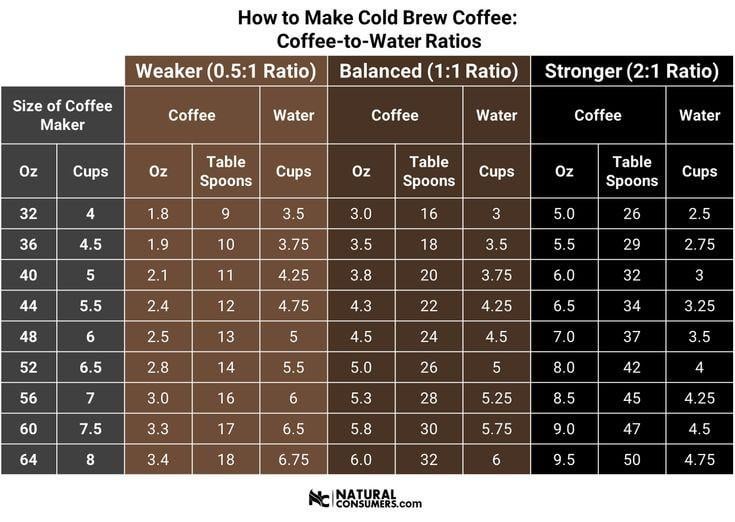
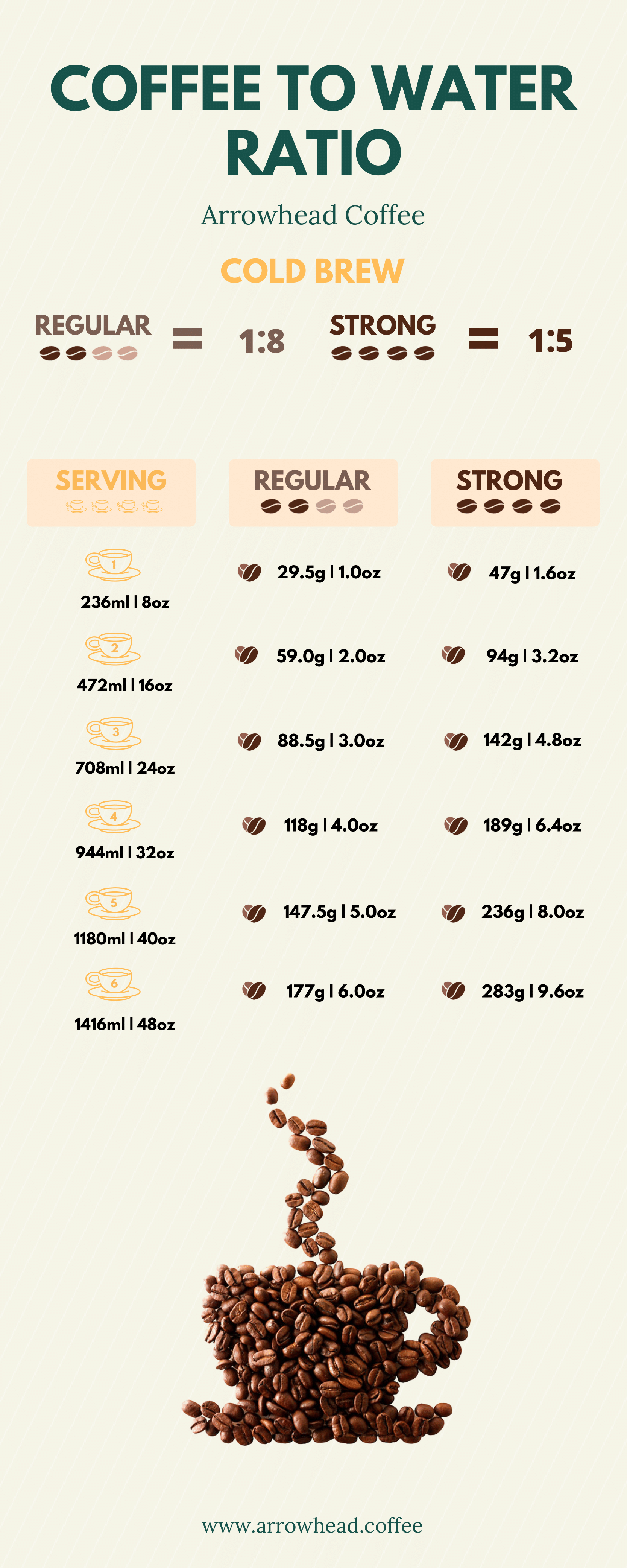
The ideal coffee-to-water ratio depends on your preference, but a good starting point is 1:8 (1 part coffee to 8 parts water). For a stronger concentrate, you can go as low as 1:4. Experimentation is key. Different coffee beans will also require different ratios to achieve optimal extraction. Filtration methods are also evolving, with some brewers experimenting with stainless steel filters for a fuller body and richer flavor.
Beyond paper filters, many are exploring reusable metal filters, which offer a different flavor profile and are more environmentally friendly. The key is to find a filtration method that suits your taste. The use of AI is making the process much easier to dial in. It takes the guesswork out of the process and provides a consistent, high-quality brew.
I’ve found that coarse-ground coffee works best for immersion brewing, as it minimizes sediment in the final cup. A medium-dark roast offers a good balance of flavor and body.
- Stick to a 1:8 ratio for standard drinking, or 1:4 if you're making a concentrate to cut with milk.
- Filtration: Paper, stainless steel, cloth
- Grind Size: Coarse
Immersion Brewing Container Comparison
| Cost | Ease of Use | Flavor Control | Capacity | Cleanup |
|---|---|---|---|---|
| Low | Very High | Moderate | Small to Medium | Easy |
| Moderate | High | High | Medium | Moderate |
| High | Moderate | Very High | Large | Moderate to Difficult |
Illustrative comparison based on the article research brief. Verify current pricing, limits, and product details in the official docs before relying on it.
Vacuum Pot Cold Brew: A Return to Form?
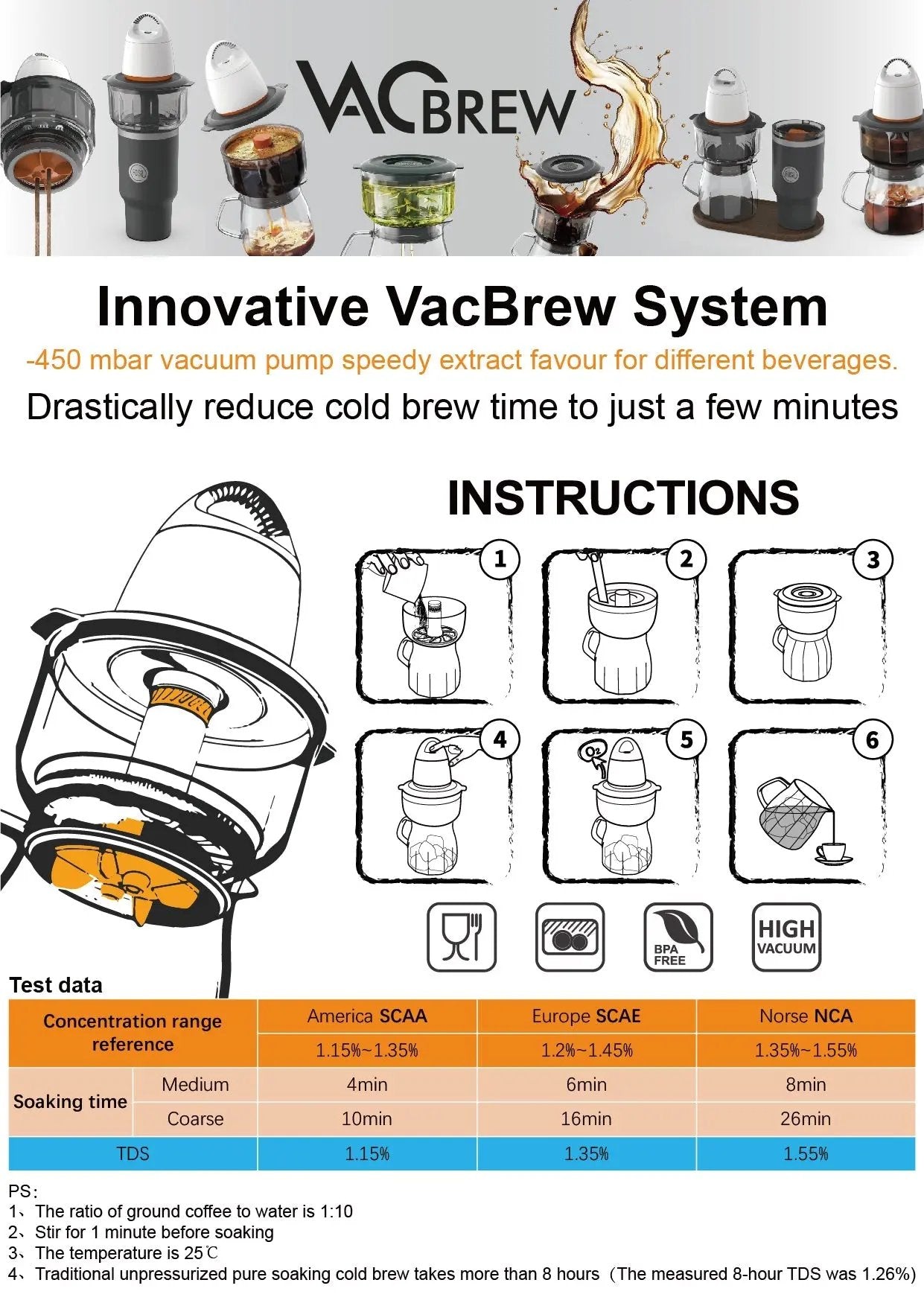
Vacuum pots (Siphon brewers) are seeing a resurgence in popularity among specialty coffee enthusiasts. While traditionally used for hot brewing, they’re now being adapted for cold brew, offering a unique and controlled extraction process.
The benefits of this method include a remarkably clean flavor profile and precise control over brewing parameters. The vacuum creates a sealed environment, minimizing oxidation and preserving the delicate aromas of the coffee. You can carefully control water temperature and brew time, allowing for a highly customized extraction.
However, vacuum pot cold brew isn’t without its drawbacks. The setup is more complex than other methods, requiring careful attention to detail. There’s also a risk of breakage if the glass components aren’t handled properly. It's definitely not a method for casual coffee drinkers.
I believe this method is best suited for serious coffee enthusiasts who enjoy the challenge of mastering a complex brewing technique. It rewards patience and precision with a truly exceptional cup of coffee. It's a bit of a niche approach, but it's fascinating to see it being explored. Manual Coffee Brewing has good resources about the process.
A light-roast, fruity coffee would be an excellent choice for vacuum pot cold brew, as the method highlights the delicate flavors and aromas.
Cold Brew Concentrates: Flavor Infusion
While not a brewing method in itself, the rise of cold brew concentrates is a significant trend. These concentrates offer convenience and versatility, allowing people to create a wide range of cold brew beverages quickly and easily.
Experimentation with flavor infusions is booming. Vanilla, cinnamon, mocha, and even more adventurous flavors like lavender and cardamom are becoming increasingly popular. People are using concentrates to create everything from classic cold brew to elaborate coffee cocktails.
Creating a stable and flavorful concentrate requires careful attention to detail. The coffee beans must be of high quality, and the brewing process must be optimized for maximum flavor extraction. Proper storage is also crucial to prevent spoilage.
There are some concerns about shelf life and preservatives in commercial concentrates. Some brands use artificial flavors or preservatives to extend shelf life, which may not appeal to all consumers. It's important to read the label carefully and choose concentrates made with natural ingredients. The best way to circumvent this is to make your own.
I've found that using a higher coffee-to-water ratio when brewing the concentrate results in a more intense flavor. You can then dilute it with water or milk to your desired strength.
What is your favorite cold brew flavor infusion?
As we explore the latest brewing methods for 2026, we want to know which flavor profile you prefer in your cold brew. Vote below!
No comments yet. Be the first to share your thoughts!