
Cold Brew & Iced Coffee: A 2026 Snapshot
Cold brew and iced coffee are year-round staples. Once seasonal treats, they've become everyday drinks for many. This trend is expected to continue, with both beverages evolving to meet consumer demands.
Ready-to-drink (RTD) options are surging, especially in cold brew. Nitro cold brew, known for its cascading bubbles and creamy texture, is gaining traction. Consumers want convenience without sacrificing quality, leading brands to offer more sophisticated RTD choices. It's no longer just about a quick caffeine fix; people seek an experience.
Coffee alternatives like mushroom coffee and adaptogen-infused beverages are impacting the market. While not direct competitors, they influence consumer preferences for functional and health-conscious options. Traditional coffee brands may need to innovate by incorporating similar ingredients or focusing on unique flavor profiles. The competition extends beyond coffee to other beverage types.
Brewing Methods: A Deep Dive
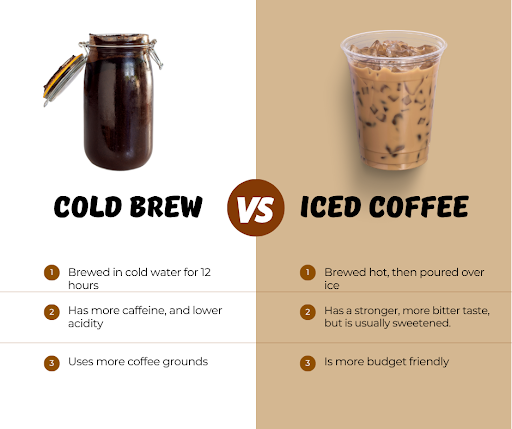
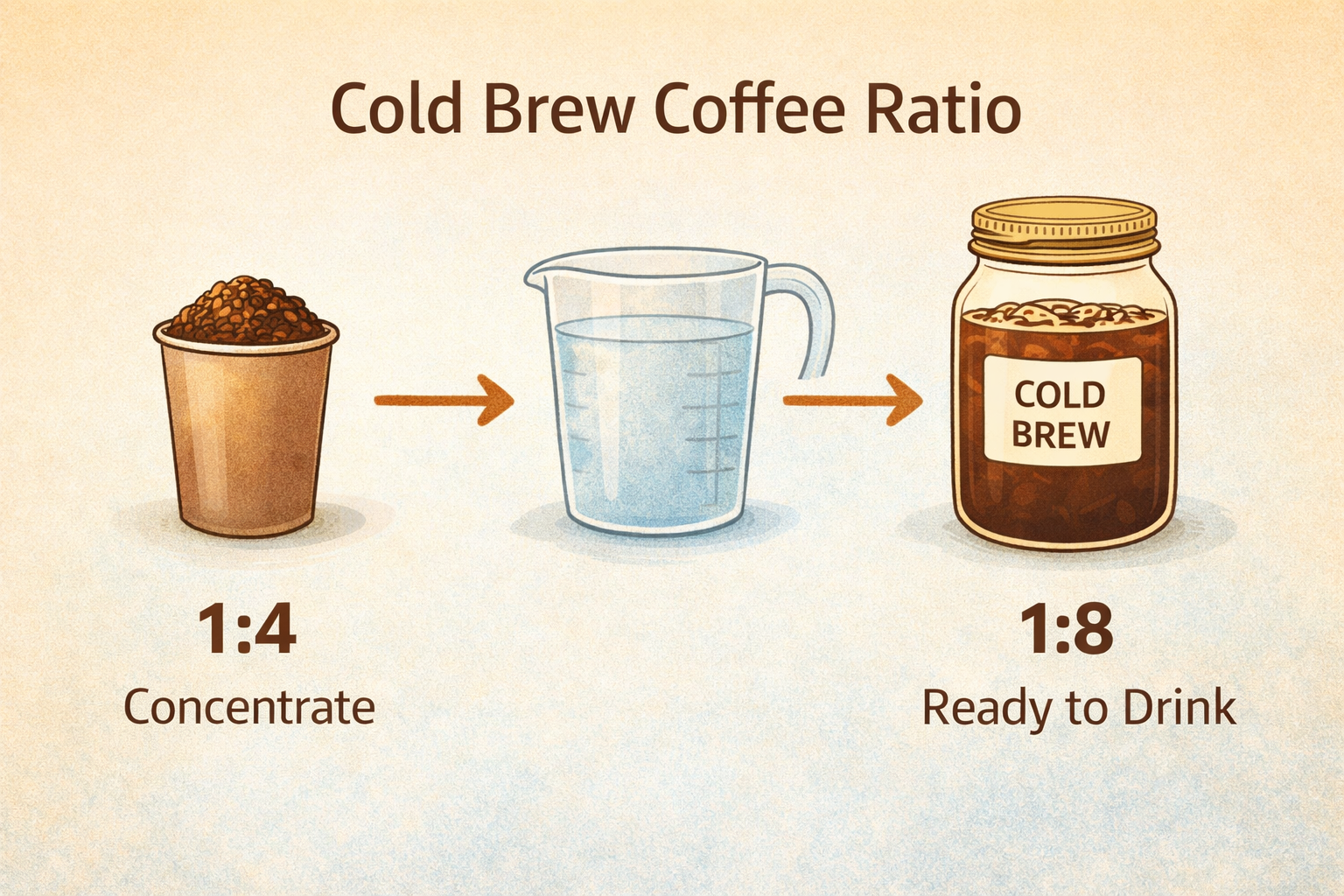
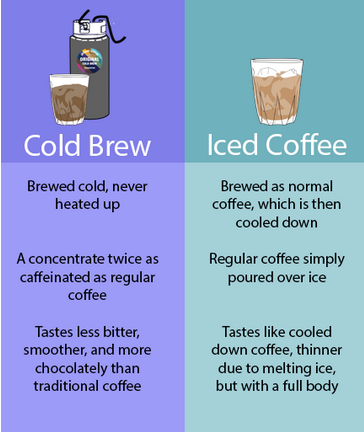
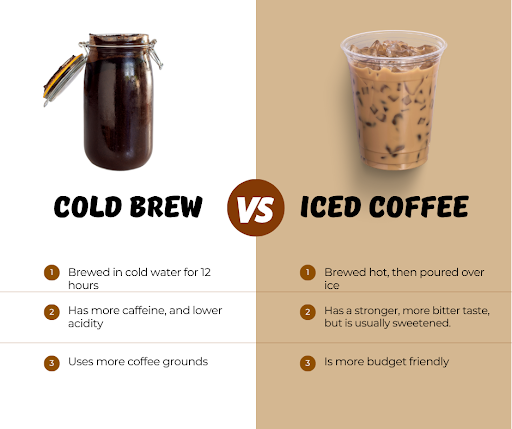
The main difference between cold brew and iced coffee is their preparation. Cold brew steeps coffee grounds in cold water for 12 to 24 hours. This slow extraction creates a concentrate, which is then diluted. This method produces a smooth, less acidic coffee because no heat is used.
Iced coffee is typically brewed hot and then chilled. Common methods include brewing coffee double-strength and pouring it over ice, or using Japanese flash chill where hot coffee is brewed directly onto ice to cool it rapidly and preserve bright flavors. Pour-over methods followed by chilling also create a clean cup.
Brewing methods significantly impact the final taste. Cold brew uses immersion, letting grounds sit in water. Iced coffee can use immersion (like a French press, then chilled) or pour-over methods. These variations alter the flavor profile. Cold brew's slow, cold extraction results in a different chemical composition than hot brewing, even when iced quickly.
Caffeine Kick: What’s the Difference?
Caffeine content in cold brew versus iced coffee is complex. Contrary to popular belief, cold brew isn't always more caffeinated. While the cold brew process can extract more caffeine, it depends on the coffee-to-water ratio and brew time. As cold brew is usually a concentrate, it often has a higher caffeine concentration than iced coffee.
Serving size is crucial. A standard serving of cold brew is typically diluted, making its caffeine content closer to iced coffee. A 16-ounce iced coffee has 100-200mg of caffeine, while a 16-ounce cold brew can range from 150-300mg, depending on dilution. Bean type also matters; Robusta beans contain more caffeine than Arabica.
Neither drink is definitively more caffeinated; it depends on various factors. If you're sensitive to caffeine, consider the brewing method, coffee-to-water ratio, and serving size. Don't assume cold brew always provides a bigger jolt.
- Iced Coffee (16oz): 100-200mg caffeine
- Cold Brew (16oz, diluted): 150-300mg caffeine
Caffeine Content Comparison (per 12oz Serving, approximate)
| Beverage Type | Typical Caffeine (mg) | Notes |
|---|---|---|
| Cold Brew (Standard 1:8 Ratio) | 150-200 | Caffeine levels vary significantly based on coffee bean type, grind size, and steep time. A 1:8 coffee-to-water ratio is a common starting point. |
| Cold Brew (Concentrate, diluted 1:2) | 200-300+ | Cold brew concentrate is typically diluted with water or milk. This reflects a stronger concentrate diluted to a 12oz serving. |
| Cold Brew (Gentle 1:12 Ratio) | 100-150 | Using a higher water-to-coffee ratio results in a milder, less caffeinated brew. |
| Iced Coffee (Drip Coffee) | 80-185 | Caffeine content is similar to hot drip coffee, but can vary based on bean origin and brew strength. |
| Iced Coffee (Japanese Flash Chill) | 90-200 | Flash chilling preserves more of the coffee’s aromatics and can result in a slightly higher caffeine extraction compared to standard drip coffee cooled down. |
| Iced Latte (Espresso-Based) | 75-150 | Based on 1-2 shots of espresso (approx. 75mg per shot). Varies significantly with espresso volume and blend. |
| Iced Americano (Espresso-Based) | 150-300 | Typically made with 2-4 shots of espresso. Caffeine content is directly proportional to the number of espresso shots. |
| Cold Brew with Skyr | 150-200 | Adding Skyr does not significantly alter the caffeine content, but contributes to a creamy texture (as per Icelandic Provisions). |
Illustrative comparison based on the article research brief. Verify current pricing, limits, and product details in the official docs before relying on it.
Taste Profiles: Beyond Bitter & Bright
Cold brew and iced coffee have distinct taste profiles. Cold brew is known for its smooth, low-acidic flavor. The long steeping process extracts different compounds, creating a naturally sweeter taste with chocolatey or nutty notes. It often requires less added sugar.
Iced coffee, especially when brewed quickly, tends to be brighter and more acidic. This acidity can be refreshing, but it can also make iced coffee taste harsher if over-extracted or of lower quality. Lighter roasts enhance brightness, while darker roasts emphasize bitterness.
Bean origin and roast level significantly impact both drinks. For example, an Ethiopian Yirgacheffe tastes different as cold brew compared to a Sumatran Mandheling. Milk or sweeteners also alter the taste. Cold brew pairs well with creamy plant-based milks, while iced coffee can be enjoyed with simple syrup and a lemon twist.
Health Perks: More Than Just a Boost
Both cold brew and iced coffee provide health benefits beyond caffeine. Coffee is a good source of antioxidants. Cold brew's lower acidity may be easier on the stomach for those with heartburn or acid reflux, offering an advantage for coffee lovers who experience digestive issues.
Added sugars and milk impact health benefits. A sugary iced latte offers fewer benefits than black cold brew. Choosing unsweetened options and healthier milk alternatives maximizes nutritional value.
Brands are increasingly adding functional ingredients to cold brew. For instance, Icelandic Provisions combines cold brew with Skyr, adding protein and probiotics for a more nutritionally complete beverage that appeals to health-conscious consumers.
- Cold Brew: Lower acidity, potentially easier on the stomach.
- Both: Good source of antioxidants.
- Considerations: Added sugars and milk impact health benefits.
Featured Products
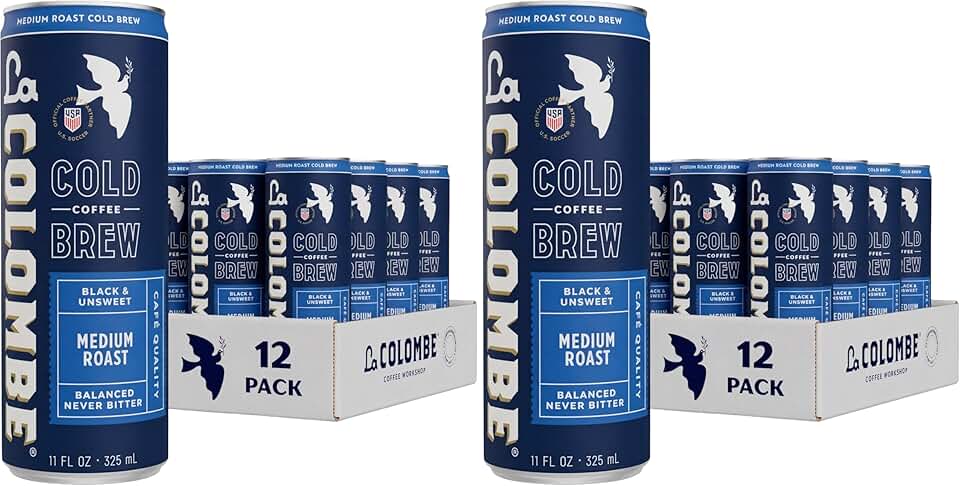
Unsweetened, ready-to-drink cold brew · Made with specialty-grade coffee beans · Natural sweetness and coffeehouse quality
This pack of 24 offers a convenient way to enjoy high-quality, unsweetened cold brew on the go.

USDA Organic vanilla coffee concentrate · Makes multiple servings from concentrate · Smooth, rich flavor
This organic concentrate allows for customizable strength and flavor, perfect for experimenting with cold brew at home.

Vanilla cream flavored cold brew energy beverage · Contains 195mg of caffeine per can · Fortified with B-vitamins, guarana, and ginseng
For those seeking an energy boost alongside their cold brew, this option includes added focus-supporting ingredients.
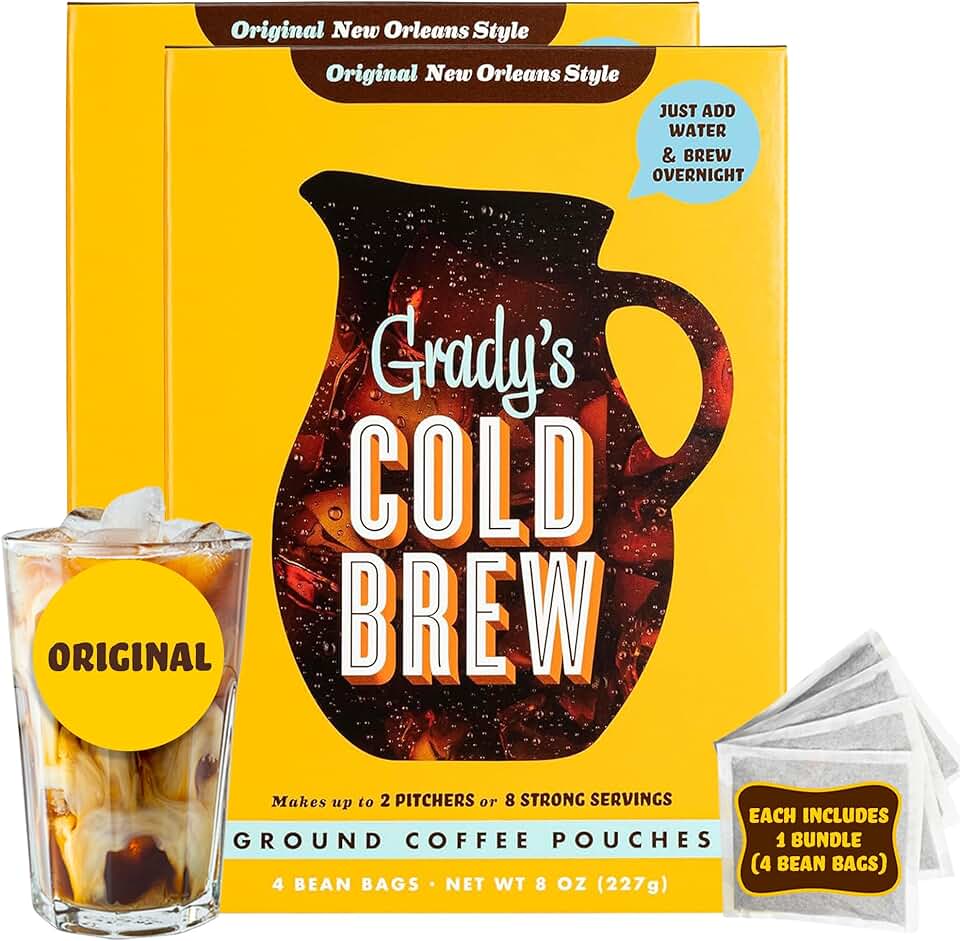
New Orleans style cold brew with chicory · Easy-to-brew bean bags · Makes 24 drinks from two boxes
This option provides a classic New Orleans style cold brew experience with the unique addition of chicory.

Pure black, medium roast cold brew · Shelf-stable, plant-based, and vegan · Sugar-free, gluten-free, and non-GMO
This large, shelf-stable pack is ideal for those who prefer a pure, black cold brew with no added sugar and plant-based ingredients.
As an Amazon Associate I earn from qualifying purchases. Prices may vary.
DIY vs. Ready-to-Drink: The 2026 Options
Making cold brew and iced coffee at home allows control over ingredients and cost. Cold brew requires planning due to its long steeping time, but many coffee enthusiasts find the results rewarding. Iced coffee is quicker, though achieving the right flavor balance and dilution may require practice.
High-quality ready-to-drink (RTD) options are expected to expand. Brands are investing in improving the taste and convenience of RTD cold brew and iced coffee, with more innovative packaging and flavor combinations becoming available.
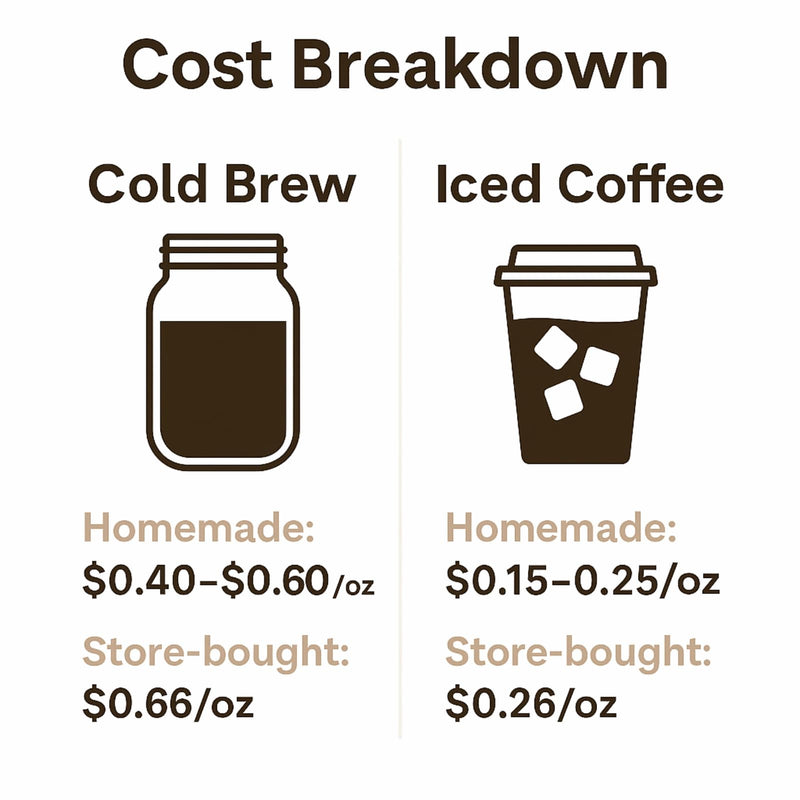
Brewing at home is generally cheaper long-term, though it requires an initial investment in equipment like a cold brew maker or grinder. RTD options offer convenience at a higher price. The best choice depends on individual priorities regarding time, budget, and control.
Future Trends: What to Expect
Innovation in cold brew and iced coffee is expected to continue. New brewing technologies, such as ultrasonic extraction, may reduce brew times and enhance flavor profiles. Experimentation with different bean varieties and roast levels is also likely.
Flavor combinations will likely expand, with cold brew potentially infused with spices, fruit purees, or floral extracts. There will also likely be a greater emphasis on sustainable practices, including ethically sourced beans and eco-friendly packaging, as consumers demand transparency and responsible sourcing.
AI may play a larger role, potentially offering personalized coffee recommendations based on preferences and health data. While speculative, technology exists for apps
In 2026, will you be more likely to brew your own cold brew or iced coffee, or buy it ready-made?
Vote below and tell us how you expect to get your cold brew or iced coffee in 2026.
No comments yet. Be the first to share your thoughts!