

Cold Brew & Iced Coffee: A Visual Breakdown
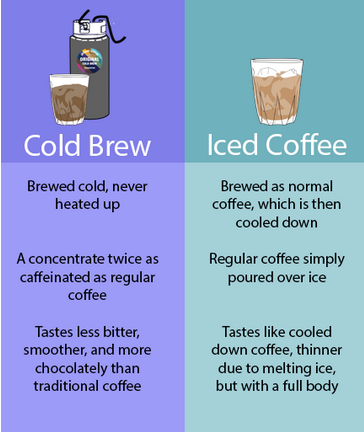
Cold coffee might seem straightforward, but there's a key difference between cold brew and iced coffee. Visually, they look almost identical: dark, refreshing, and usually served over ice. But the way they are made is drastically different.
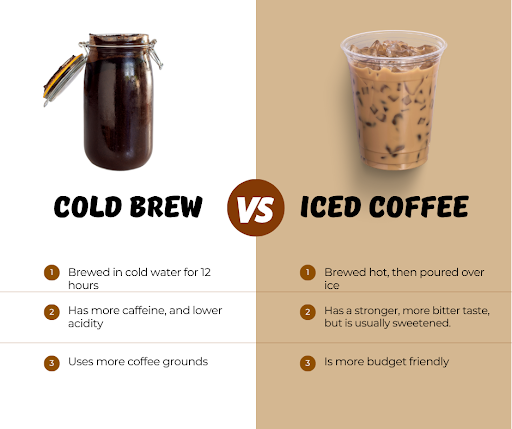
Iced coffee is hot coffee that's been chilled, often poured over ice. Cold brew, however, is steeped in cold water for an extended period without heat. This patient process dictates the final result.
The brewing method impacts everything from taste to acidity, and how it affects your stomach.
Brewing Methods: The Core Divide
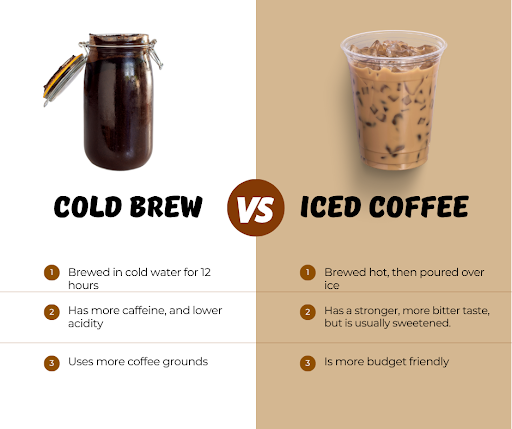
Iced coffee starts with a traditional hot brewing method – drip, pour-over, French press, or other methods. The hot coffee is then cooled, either by letting it sit or by pouring it over ice. This rapid cooling can lead to a more acidic and bitter flavor, especially with lower-quality coffee.
Cold brew uses coarser coffee grounds and steeps for 12-24 hours in cold or room temperature water. This extended steeping extracts flavor slowly. STōK's website emphasizes the patience involved and how it impacts the final brew.
Cold brew has lower acidity because cold water extracts acids less readily than hot water. This means using the same coffee beans results in a different drink. Making good iced coffee requires finesse to avoid bitterness, while cold brew is more forgiving.
Taste Profiles: Beyond Just 'Cold'
Cold brew tastes naturally sweeter, with a smooth texture and lower perceived acidity. It lacks the bright, sometimes harsh bite that iced coffee can have. Depending on the bean, it can be chocolatey and nutty.
Iced coffee can be incredibly refreshing with a brighter flavor profile. However, that brightness can become bitterness if the coffee is over-extracted or the beans are lower quality. The chemical composition changes dramatically between the two brewing processes.
Acidity & Your Stomach: A Health Angle
One of the biggest benefits of cold brew is its lower acidity. This is a game-changer for people with sensitive stomachs, acid reflux, or IBS. The cold brewing process doesn’t extract as many of the acidic oils from the coffee beans, making it gentler on the digestive system.
Why does cold brew have lower acidity? The science is pretty straightforward. Heat accelerates the extraction of acids. By using cold water, we minimize this extraction. This isn’t to say cold brew is acid-free, but it’s significantly less acidic than its iced counterpart. While I’m not a doctor, I've heard from many people who can enjoy cold brew when hot coffee causes them discomfort.
It’s also important to consider that everyone’s tolerance to acidity is different. What bothers one person might not bother another. However, if you consistently experience digestive issues after drinking coffee, switching to cold brew is definitely worth a try. It’s a simple change that can make a big difference.
- Lower Acidity: Easier on the stomach.
- Gentle Extraction: Less irritation for sensitive digestive systems.
- Potential Relief: For those with acid reflux or IBS (consult a doctor).
Cold Brew vs. Iced Coffee: Health & Composition Comparison (2026)
| Factor | Cold Brew | Iced Coffee |
|---|---|---|
| Acidity | Generally lower | Typically higher |
| Caffeine Content | Can be higher, depending on brew ratio and coffee used | Generally lower, but varies based on brewing method and coffee type |
| Potential for Heartburn | Lower, due to reduced acidity | Potentially higher, due to increased acidity |
| Hydration Level (with dilution) | Contributes to hydration, similar to iced coffee | Contributes to hydration, similar to cold brew |
| Impact on Tooth Enamel | Potentially less erosive due to lower acidity | Potentially more erosive due to higher acidity |
| Brewing Method | Long steeping process (12-24 hours) | Brewed hot, then chilled |
| Taste Profile | Often smoother, naturally sweeter | Brighter, more acidic flavor |
Illustrative comparison based on the article research brief. Verify current pricing, limits, and product details in the official docs before relying on it.
Caffeine Kick: What's the Difference?
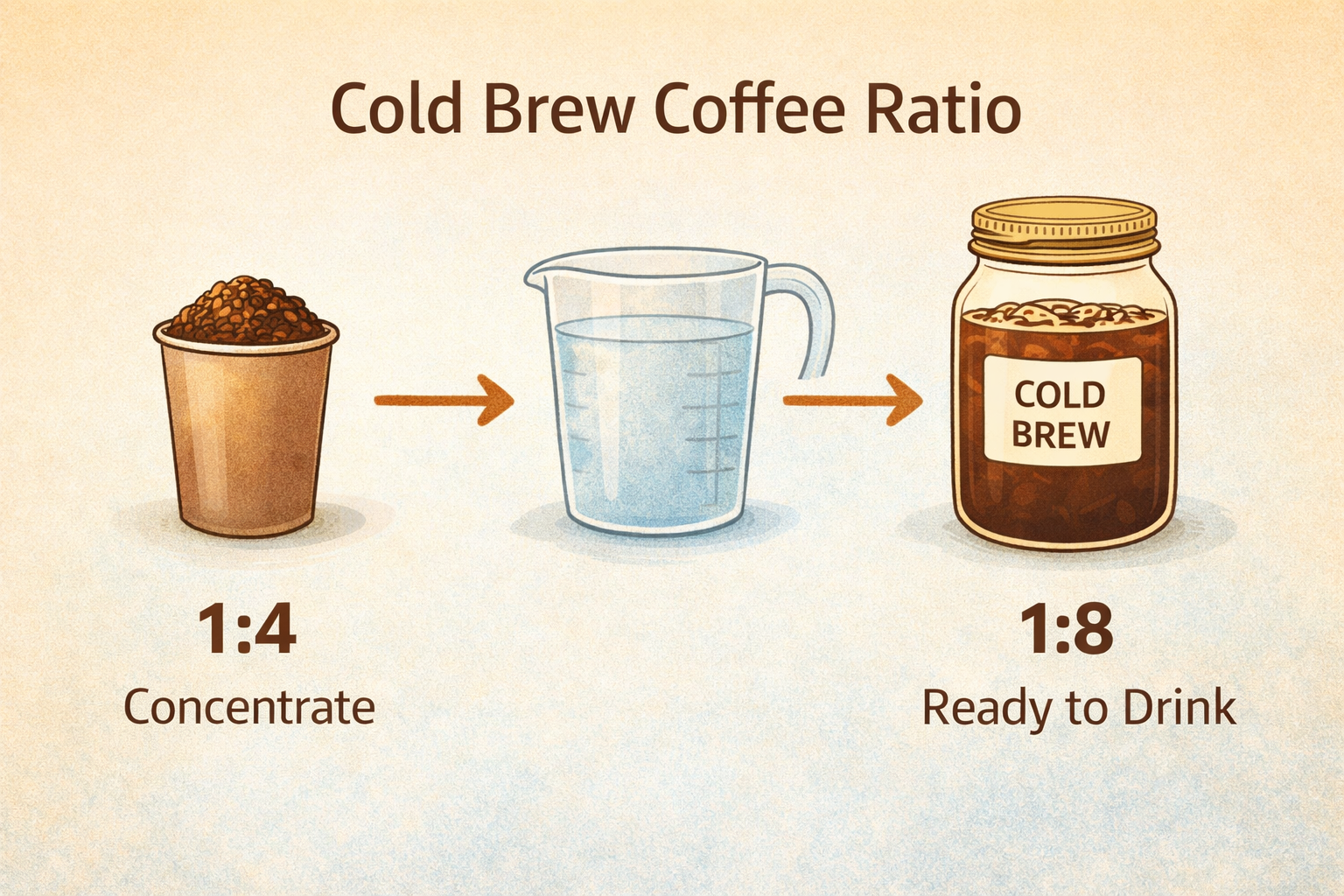
The caffeine content in cold brew versus iced coffee is a surprisingly nuanced topic. Cold brew concentrate often has a higher caffeine concentration than traditionally brewed coffee, simply because it’s made with a higher coffee-to-water ratio. However, this concentrate is always diluted with water or milk before drinking.
Iced coffee's caffeine level is more predictable, as it’s typically brewed using standard coffee-to-water ratios. But even that varies depending on the brew strength. A strong, bold brew will naturally have more caffeine than a weaker one. The amount of ice also plays a role; as the ice melts, it dilutes the coffee, reducing the caffeine concentration.
Ultimately, caffeine sensitivity is highly individual. Some people are very sensitive to caffeine, while others can drink coffee all day without any issues. It’s important to listen to your body and adjust your intake accordingly. Remember that factors like body weight, metabolism, and genetics all play a role.
DIY vs. Store-Bought: Convenience & Cost
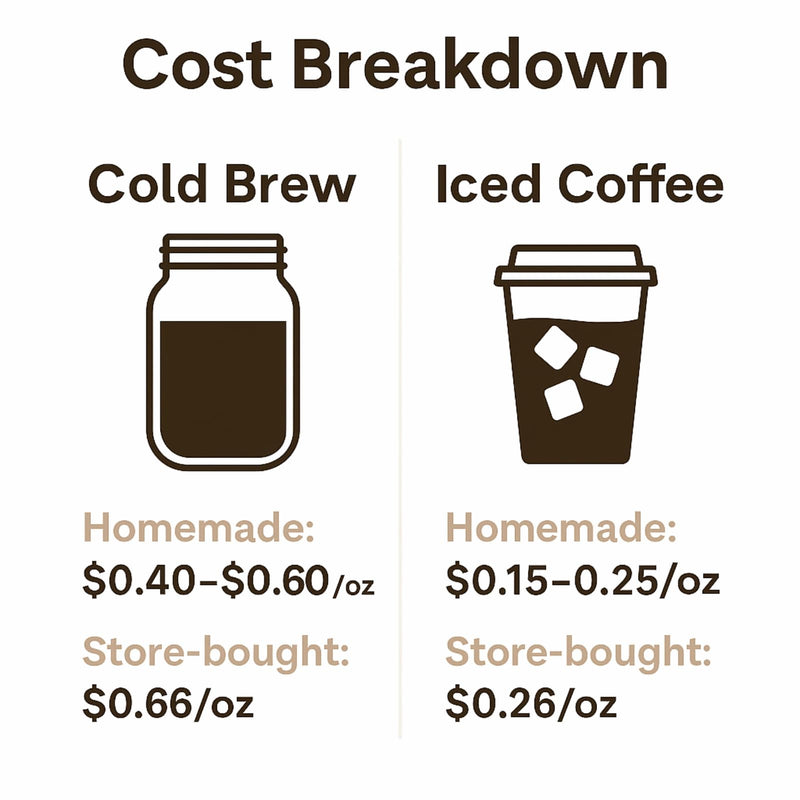
Let’s be realistic: most of us don’t have the time or inclination to brew coffee from scratch every single day. That’s where store-bought options come in. But there’s a trade-off between convenience and cost. Making cold brew at home is relatively inexpensive, especially if you already have the equipment. You'll need a cold brew maker (or a large jar and a filter), a grinder, and of course, coffee beans.
Pre-made cold brew, like the options from STōK, is considerably more expensive per ounce. However, it saves you time and effort. You can find a wide range of options at most grocery stores, from black cold brew to creamed and flavored varieties. The equipment needed for iced coffee is often already in your kitchen – a coffee maker, a pitcher, and ice are usually sufficient.
The initial investment for DIY cold brew is higher (around $30-$80 for a decent cold brew maker), but the long-term cost is lower. Store-bought is convenient, but you’re paying a premium for that convenience. Consider your lifestyle and budget when making your decision.
- DIY Cold Brew: Initial investment in equipment, lower long-term cost.
- DIY Iced Coffee: Minimal equipment needed, relatively low cost.
- Store-Bought: Higher cost per ounce, maximum convenience.
Featured Products
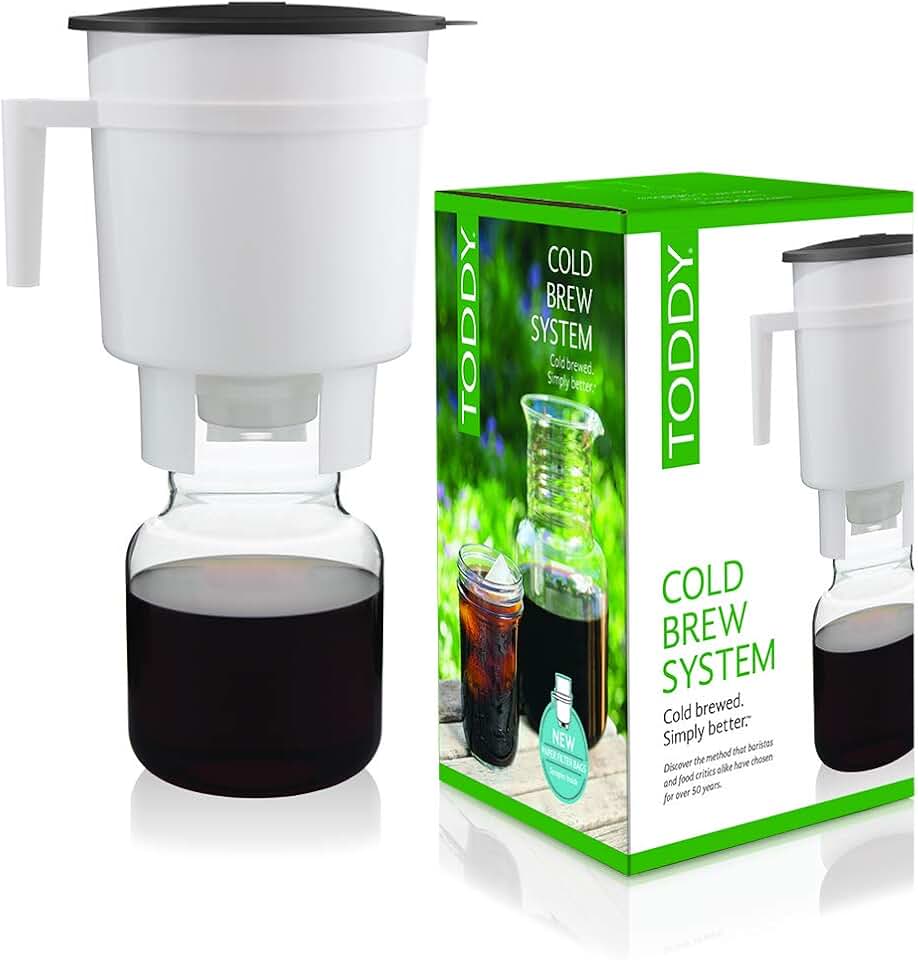
Simple, non-electric design · Produces smooth, low-acid coffee concentrate · Includes glass decanter and filters
This classic system is a great entry point for making smooth, less acidic cold brew at home.

Cone-shaped design with spiral ribs · Allows for precise control over brewing variables · Requires paper filters and a server
While primarily for hot pour-over, the V60's precision can be adapted for small-batch iced coffee, offering nuanced flavor control.

Compact, space-saving design · Features a brew-stop switch for controlled steeping · Easy to use and clean
This maker offers a user-friendly and efficient way to create smooth cold brew concentrate with minimal fuss.
Simple, non-electric design · Produces smooth, low-acid coffee concentrate · Includes glass decanter and filters
A reliable and straightforward option for consistently producing rich, smooth cold brew concentrate.

Integrated stainless steel brew basket · Built-in tap for easy dispensing · Modern, countertop-friendly design
This stylish maker combines ease of use with a modern aesthetic, perfect for those who want a convenient and attractive cold brew solution.
As an Amazon Associate I earn from qualifying purchases. Prices may vary.
2026 Trends: What's Next for Cold Coffee?
The cold coffee market is still evolving, and I anticipate some exciting trends in the next couple of years. Nitro cold brew, with its cascading bubbles and creamy texture, will likely become even more popular. We’re already seeing more cafes offering it on tap, and I expect that trend to continue.
Flavored cold brews beyond the standard vanilla and mocha are also on the rise. Expect to see more unique and sophisticated flavors, like lavender honey, salted caramel, or even spicy cinnamon. I think we'll also see a greater emphasis on sustainable coffee sourcing and ethical production practices.
I’m also keeping an eye on potential new brewing technologies. Could we see more automated cold brew systems for home use? Or perhaps innovative filtration methods that further reduce acidity? The growing popularity of cold brew concentrates and ready-to-drink options will continue, making it easier than ever to enjoy a cold coffee on the go.
Your Perfect Cold Coffee: A Quick Guide
So, which is right for you? If you prioritize low acidity and a smooth, naturally sweet flavor, cold brew is the way to go. If you prefer a brighter, more vibrant taste and don’t mind a little bit of bitterness, iced coffee might be a better fit.
Need a quick caffeine boost? Iced coffee is generally more predictable in terms of caffeine content. Prefer a leisurely process and a more nuanced flavor? Cold brew is your best bet. Ultimately, the best way to decide is to experiment and find what you enjoy most. Don't be afraid to try different beans, brewing methods, and ratios to discover your perfect cold coffee.
Cold Brew or Iced Coffee: Which is Right For You?
So you've read our deep dive into the world of cold brew and iced coffee, but still not sure which brewing method best suits your taste? This quick quiz will help pinpoint your perfect coffee companion. Answer honestly to discover whether cold brew’s smooth profile or iced coffee’s bright acidity is the ideal fit for your palate and lifestyle.
No comments yet. Be the first to share your thoughts!