
Concentrate vs. RTD: the core differences
Okay, let’s get straight to it: cold brew concentrate and ready-to-drink (RTD) cold brew aren’t interchangeable, even though they both end up as cold coffee. Concentrate is, as the name suggests, a concentrated coffee extract. You dilute it with water, milk, or whatever you like. RTD is pre-mixed and ready to go. It’s the difference between making a sauce from scratch and buying a jarred one.
The key difference comes down to control and convenience. When you make concentrate, you’re in charge of everything – the beans, the water ratio, the brewing time. This means you can really dial in a flavor profile you love. RTD sacrifices that control for pure ease of use. I remember when I first started making cold brew, I bounced back and forth between the two for months, trying to find the right balance for my lifestyle.
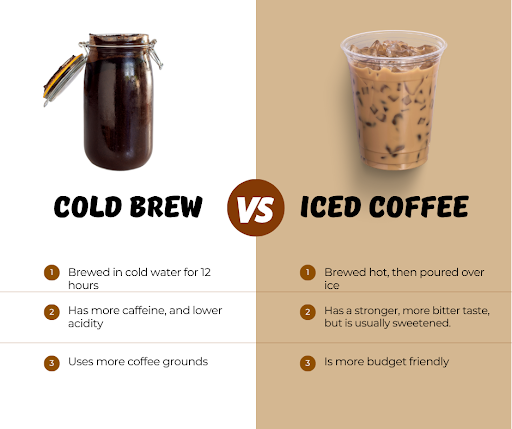
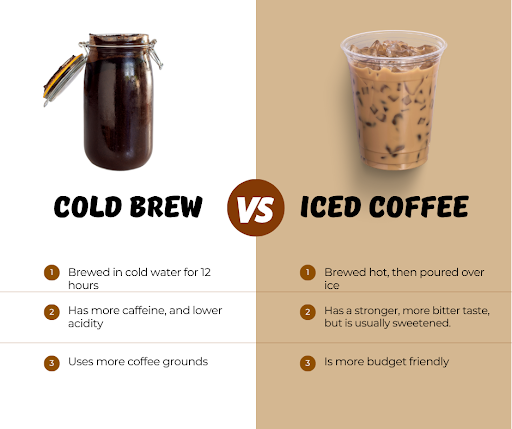
Concentrate is cheaper over time but requires a brewer and filters. RTD is a grab-and-go option that costs more per glass. If you have 24 hours to let grounds steep, making it yourself is the better financial move.
Flavor and customization
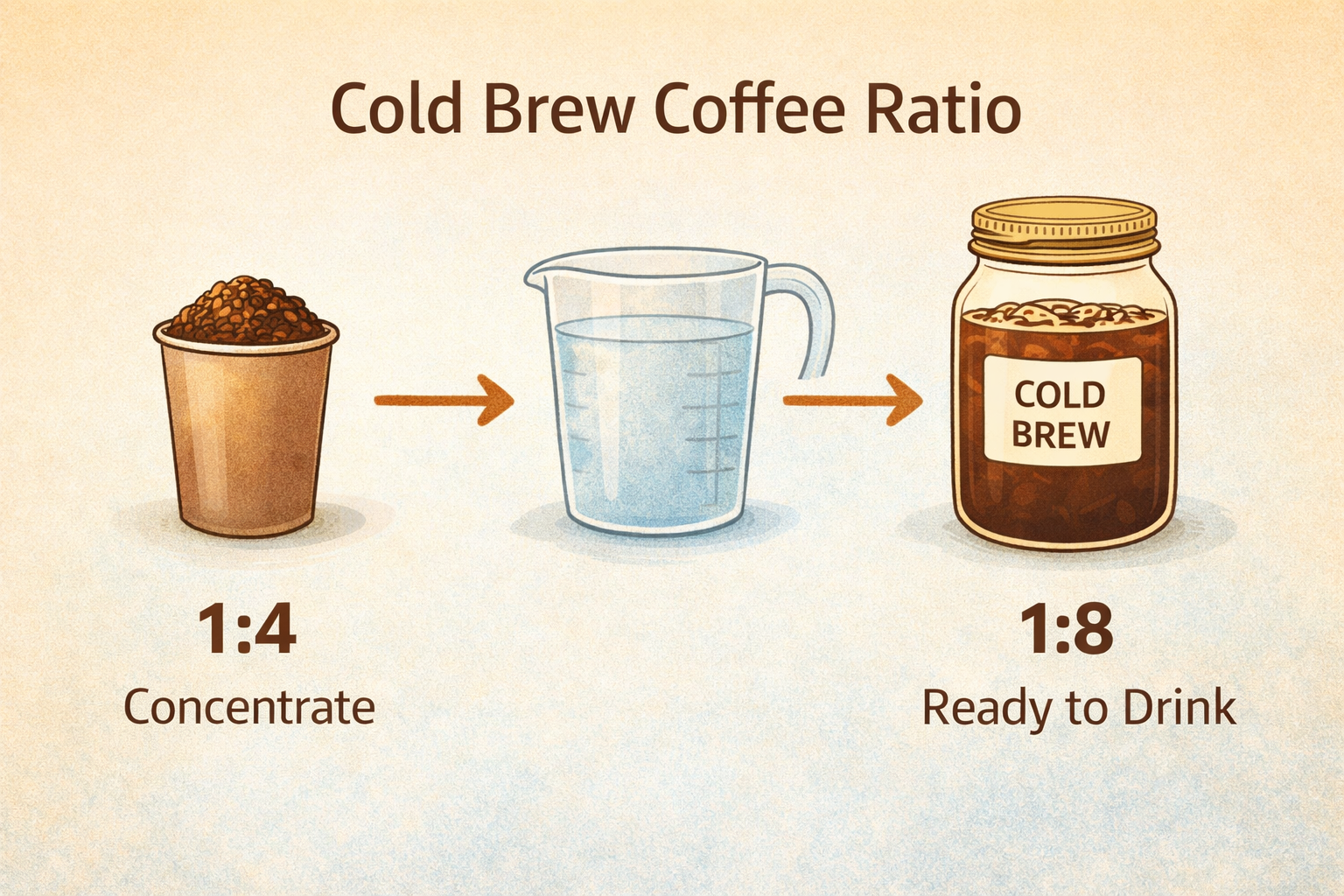
This is where concentrate really shines. Because you’re diluting it yourself, you have complete control over the strength and flavor of your final drink. Want a strong, intense brew? Use less water. Prefer something milder? Add more. I’ve spent countless hours experimenting with different dilution ratios, and it’s amazing how much the flavor can change.
You can also get creative with additions. Syrups, milk alternatives, spices… the possibilities are endless. I'm a big fan of oat milk and a touch of vanilla syrup in my cold brew. RTD, on the other hand, is pretty much what it is. While some brands offer different flavors, you’re limited to their pre-determined options. It’s convenient, but it lacks the flexibility of concentrate.
The beans you choose change everything. I prefer single-origin beans from Ethiopia for concentrate because they don't get lost when you add milk. Even when buying RTD, check the label for the bean source; it's the only way to know if you're getting quality or just caffeine.
- Experiment with different dilution ratios to find your perfect strength.
- Add syrups, spices, or milk alternatives to customize your concentrate.
- Consider single-origin beans for a more complex flavor.
Brewing time and effort
Let’s be realistic: making cold brew concentrate takes time. You're looking at a 12-24 hour steep, depending on your preferred strength and the recipe you're using. The active effort isn't huge – it's mostly just mixing and waiting – but it requires planning ahead. RTD is, well, instant. Pop the top and you’re good to go.
However, if you batch brew concentrate, you can actually save time in the long run. I make a large batch on the weekend and have cold brew on hand all week. This eliminates the need for daily brewing. Sky Cold Brew has some excellent guides to help you get started with batch brewing.
Here’s a quick comparison:
Cold Brew Concentrate vs. Ready-to-Drink: A Comparison for Home Brewers (2026)
| Characteristic | Cold Brew Concentrate | Ready-to-Drink (RTD) |
|---|---|---|
| Time Commitment | High | Low |
| Active Effort | Medium to High | Low |
| Equipment Needed | Moderate | Simple |
| Skill Level | Intermediate | Beginner |
| Customization | High | Limited |
| Storage | Requires refrigeration after dilution | Ready for immediate consumption/refrigeration |
| Cost (per serving) | Potentially lower, depending on bean choice | Generally higher |
| Flavor Control | Complete control over bean origin, roast, and brew time | Dependent on brand and pre-set recipe |
Illustrative comparison based on the article research brief. Verify current pricing, limits, and product details in the official docs before relying on it.
The cost of convenience
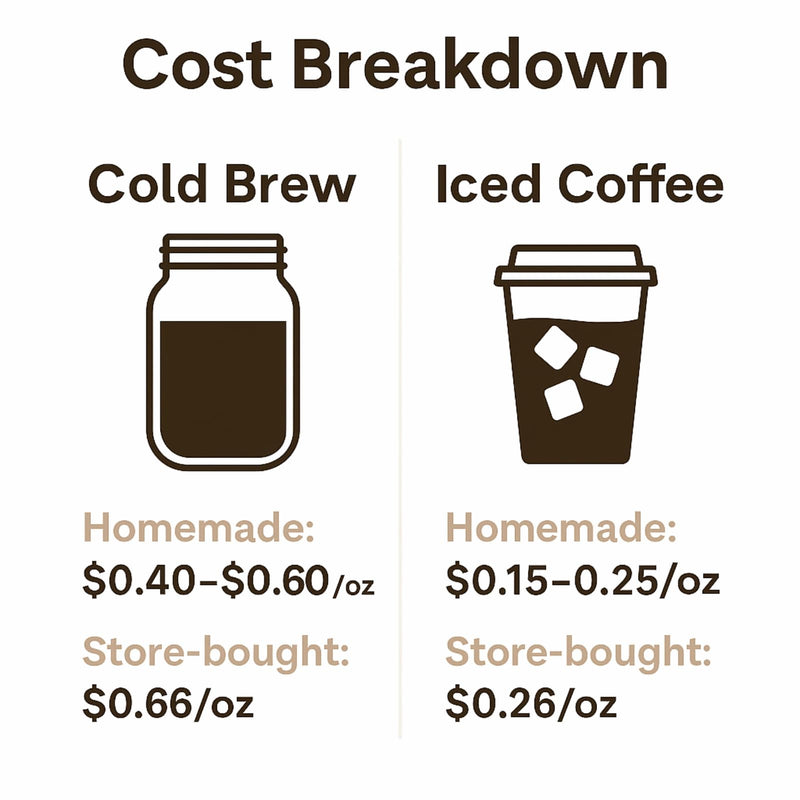
The cost equation is a bit more complex than it seems. Concentrate requires an initial investment in equipment. A good brewer can run you anywhere from $30 to $100+, depending on the size and features. You’ll also need filters, which are an ongoing expense. RTD, on the other hand, has no upfront cost, but the price per serving quickly adds up.
Let’s look at a realistic comparison. A pound of good quality coffee beans costs around $18-$25. Using a 1:8 coffee-to-water ratio, a pound of beans will yield about 64 ounces of concentrate. If you dilute the concentrate 1:1, that's 128 servings of cold brew. That works out to roughly $0.14 - $0.20 per serving. A 12-ounce can of RTD cold brew typically costs $3-$5, or $0.25-$0.42 per ounce, meaning a 12-ounce serving will cost you $3-$5.
Of course, these numbers can vary depending on the beans you choose and your dilution ratio. If you buy cheaper beans or dilute the concentrate more, the cost per serving will be lower. But even with moderately priced beans, concentrate is generally more economical in the long run. Don't forget to factor in the lifespan of your brewing equipment. A well-maintained brewer should last for years, spreading the initial cost over many servings.
Kitchen space and storage
Brewing concentrate takes up room. You need a spot for the vessel to sit for a day, plus fridge space for the finished jars. My Toddy took up half a shelf in my small kitchen, which is a real trade-off if you're already tight on space.
RTD takes up fridge space, which can also be a premium. If you buy in bulk, you’ll need to dedicate a significant amount of refrigerator real estate. However, concentrate can be frozen for longer-term storage, which can free up space. Just make sure to use freezer-safe containers.
If you have a small kitchen, the space requirements of concentrate brewing might be a deal-breaker. But if you have some extra room, the long-term cost savings and flavor control can make it worthwhile.
Top Concentrate Brewers & RTD Brands (2026)
The market for both concentrate brewers and RTD cold brew is booming. Here are a few of the top contenders as of late 2026. For concentrate brewers, the Toddy Cold Brew System remains a classic. It’s reliable, affordable, and produces consistently smooth cold brew. The OXO Good Grips Cold Brew Coffee Maker is another excellent option, known for its ease of use and sleek design.
The Hario Mizudashi Cold Brew Coffee Pot is a great choice for smaller batches and offers a more hands-on brewing experience. It's particularly popular among coffee enthusiasts who appreciate a more refined process. When it comes to RTD brands, La Colombe continues to lead the pack with its high-quality coffee and convenient packaging. RISE Brewing Co. offers a variety of organic and plant-based options.
Stumptown Coffee Roasters is another popular choice, known for its commitment to ethically sourced beans and delicious flavors. I’ve also been impressed with some of the newer brands, like Cometeer, which offers flash-frozen coffee concentrates that are incredibly convenient and flavorful. Sky Cold Brew has detailed reviews of many of these brands, so be sure to check those out for a more in-depth analysis.
- Toddy Cold Brew System is a reliable, plastic-based classic that uses felt filters.
- OXO Good Grips Cold Brew Coffee Maker: Easy to use and sleek.
- Hario Mizudashi Cold Brew Coffee Pot: Great for smaller batches.
- La Colombe: High-quality coffee and convenient packaging.
- RISE Brewing Co.: Organic and plant-based options.
- Stumptown Coffee Roasters: Ethically sourced beans and delicious flavors.
Featured Products
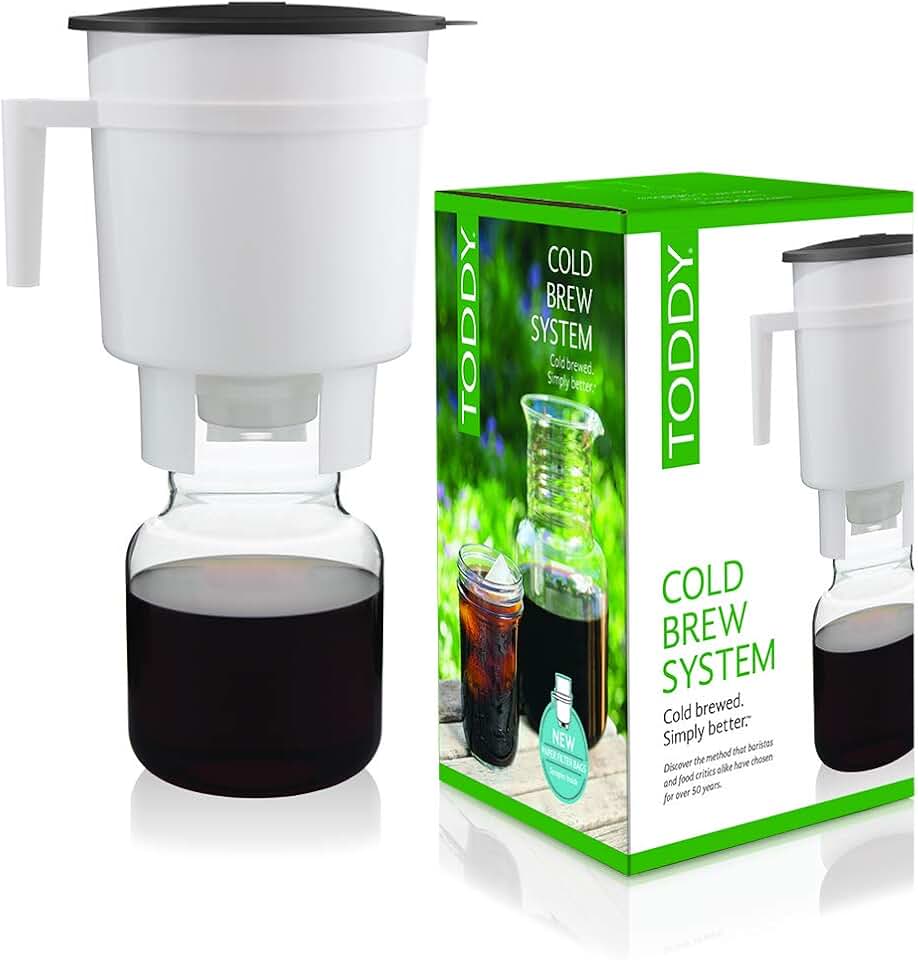
Makes 1.5 quarts of concentrate · Includes glass container, filter, and instructions · Simple, non-electric design
This system is a classic choice for making smooth, delicious cold brew concentrate at home, offering a cost-effective alternative to pre-made options.

Brews up to 32 oz of concentrate · Features a "Brew-Stop" pour spout to halt filtration · Compact design fits in the refrigerator
The OXO maker provides a user-friendly and efficient way to produce a significant amount of cold brew concentrate, perfect for regular consumption.
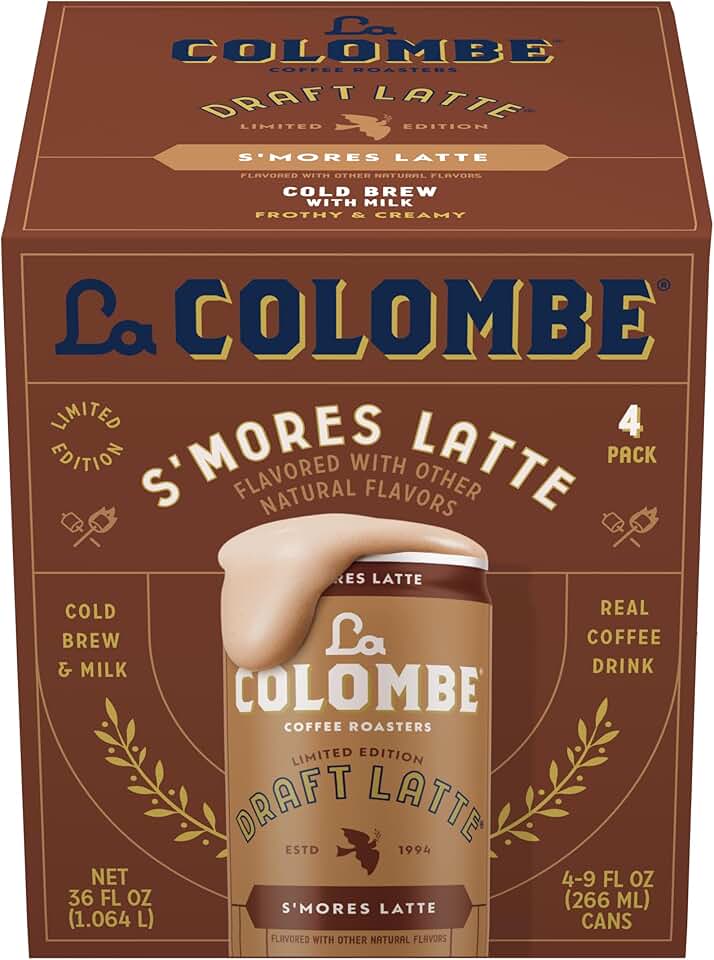
Ready-to-drink flavored cold brew latte · Contains milk and sugar · Draft-style texture
This ready-to-drink option offers a convenient and indulgent flavored coffee experience for those seeking immediate enjoyment without brewing.

Ready-to-drink, unsweetened black cold brew · Infused with nitrogen for a creamy texture · USDA Organic and Non-GMO ingredients
RISE Brewing Co. provides a high-quality, ready-to-drink black cold brew that is ideal for health-conscious consumers looking for a pure and refreshing coffee beverage.

SCA Certified for optimal brewing temperature and time · Brews up to 8 cups of hot coffee · Thermal carafe keeps coffee hot for hours
While not a cold brew maker, this high-quality hot coffee brewer is included to highlight the contrast in brewing methods and the distinct characteristics of hot versus cold coffee.
As an Amazon Associate I earn from qualifying purchases. Prices may vary.
Troubleshooting: Common Issues & Solutions
Even with the best equipment and techniques, things can sometimes go wrong. If your concentrate is weak, try using a higher coffee-to-water ratio or extending the brewing time. A gritty texture usually means your filter isn’t fine enough. Try using a finer mesh filter or a cheesecloth in addition to the filter. Acidity can be reduced by using a lower water temperature or a coarser grind.
With RTD, the biggest complaint is often the sugar content. Read the labels carefully and look for brands that offer low-sugar or sugar-free options. Some brands also have a tendency to separate, resulting in sediment at the bottom of the can. This is usually harmless, but you can avoid it by choosing brands that use a higher-quality filtration process.
The Sky Cold Brew FAQ is a fantastic resource for troubleshooting common issues. I’ve found it incredibly helpful when I’ve run into problems. Don’t be afraid to experiment and adjust your technique until you find what works best for you.
No comments yet. Be the first to share your thoughts!