

Cold Brew's Golden Age: Bean Trends in 2026
Cold brew continues its ascent, and it’s no longer enough to just brew coffee cold. We’ve moved past simply finding "good" coffee for cold brew; people are actively seeking specific flavor profiles, just as they do with hot brewing methods. This shift is driving a greater interest in single-origin beans, allowing for a more nuanced and controlled brewing experience.
In 2026, we’re seeing a clear trend toward understanding how different beans react to the extended steeping time inherent in cold brew. The goal isn’t just smoothness—though that’s still important—but also flavor clarity. Consumers want to taste the unique characteristics of each bean, not just a generic "coffee" flavor.
This means roasters and home brewers alike are paying closer attention to origin, processing method, and roast level. The demand for high-quality, single-origin beans suitable for cold brew is steadily increasing, and the following recommendations represent some of the best options available right now. This isn’t about fleeting trends, but about beans that consistently deliver exceptional cold brew.
Ethiopian Yirgacheffe: Floral and Bright
Ethiopian Yirgacheffe is frequently cited as a top choice for cold brew, and for good reason. Originating from the Gedeo zone of Ethiopia, these beans are known for their incredibly bright and floral characteristics. Expect prominent notes of citrus—often lemon or lime—along with bergamot and delicate jasmine aromas. It's a truly aromatic coffee.
What makes Yirgacheffe particularly well-suited for cold brew is its ability to retain those delicate flavors through the long steeping process. Many coffees lose nuance when cold brewed, but Yirgacheffe’s inherent complexity shines through. The resulting brew is often tea-like in its clarity and refreshing quality. It’s my go-to for a lighter, more invigorating cold brew.
Processing method plays a significant role. Washed Yirgacheffe tends to be cleaner and brighter, emphasizing the citrus notes. Natural processed Yirgacheffe will exhibit more fruity flavors, like blueberry or strawberry, and a heavier body. Both are excellent, but understanding the difference allows you to tailor your cold brew to your preference. I typically prefer washed Yirgacheffe for a truly bright experience.
When brewing, I recommend a ratio of 1:8 coffee to water as a starting point. Adjust to your taste, but Yirgacheffe's delicate profile doesn't need a super-concentrated brew to deliver a powerful flavor. Experiment with slightly coarser grinds to avoid over-extraction and muddiness.
Sumatra Mandheling: Earthy and Bold
For those who prefer a bolder, more substantial cold brew, Sumatra Mandheling is an excellent choice. Grown in the Lintong region of Sumatra, Indonesia, these beans are known for their earthy, full-bodied profile. You’ll find notes of dark chocolate, spice—often cinnamon or cardamom—and a hint of herbal complexity.
Sumatra Mandheling stands in stark contrast to the brighter, more floral Yirgacheffe. It’s a favorite among those who enjoy a less acidic cup and a more robust flavor. The beans are traditionally processed using the "giling basah" (wet-hulled) method, which contributes to their unique character. This process involves removing the parchment layer while the beans still have a high moisture content.
The giling basah method results in a bean with a distinctive earthy aroma and a lower acidity. It also tends to produce a heavier body and a more syrupy mouthfeel in the final brew. This makes it ideal for those who like to add milk or cream to their cold brew, as the flavor holds up well.
I suggest a 1:12 ratio for Mandheling, given its intensity. A slightly finer grind than you might use for Yirgacheffe will help extract those deep, earthy flavors. Don’t be afraid to experiment with longer steep times—up to 24 hours—to unlock its full potential.
Kenyan AA: Complex and Fruity
Kenyan AA beans are renowned for their vibrant acidity and complex flavor profile. The "AA" designation refers to the bean size—larger beans generally indicate higher quality—but it also signifies a certain level of processing and overall excellence. Expect notes of black currant, tomato, and a bright, wine-like acidity.
Kenya’s high altitude and fertile volcanic soil contribute to the unique characteristics of these beans. They’re a favorite among coffee connoisseurs for their intense flavors and aromatic complexity. When brewed as cold brew, Kenyan AA offers a truly unique and refreshing experience. It’s a good choice for cold brew enthusiasts who enjoy a brighter, more nuanced cup.
However, Kenyan AA can be a bit tricky to get just right. The high acidity can sometimes translate to a sourness in cold brew if not carefully managed. I’ve found that a slightly longer steep time—around 18-20 hours—can help mellow out the acidity and bring out the fruity sweetness. A 1:10 ratio is a good starting point.
Pay close attention to the roast level. A medium roast is generally best for preserving the complex flavors without over-developing the acidity. Avoid darker roasts, which can mask the delicate nuances. Also, using filtered water is essential to prevent unwanted mineral flavors from interfering with the coffee’s natural character.
Colombian Supremo: Balanced and Reliable
Colombian Supremo is a consistently good performer for cold brew, making it a reliable choice for everyday brewing. These beans are known for their well-balanced flavor, medium body, and notes of caramel, nuts, and a subtle citrus brightness. It’s a crowd-pleaser, offering a smooth and approachable cup.
The altitude at which Colombian coffee is grown—typically between 1,200 and 1,800 meters—plays a crucial role in its flavor development. Higher altitudes generally result in denser beans with more complex flavors. Supremo refers to the largest screen size of Colombian coffee beans, indicating a higher quality grade.
Colombian Supremo is a safe bet for beginners, as it’s relatively forgiving in terms of brewing parameters. It’s also a versatile bean that pairs well with milk, cream, and various flavorings. It’s a consistently pleasant experience, even if it doesn't have the same 'wow' factor as some of the more exotic single origins.
A 1:15 ratio works well with Colombian Supremo, and a medium grind is recommended. Steep for 16-18 hours for optimal flavor extraction. It's a solid, dependable choice that consistently delivers a satisfying cold brew.
Featured Products
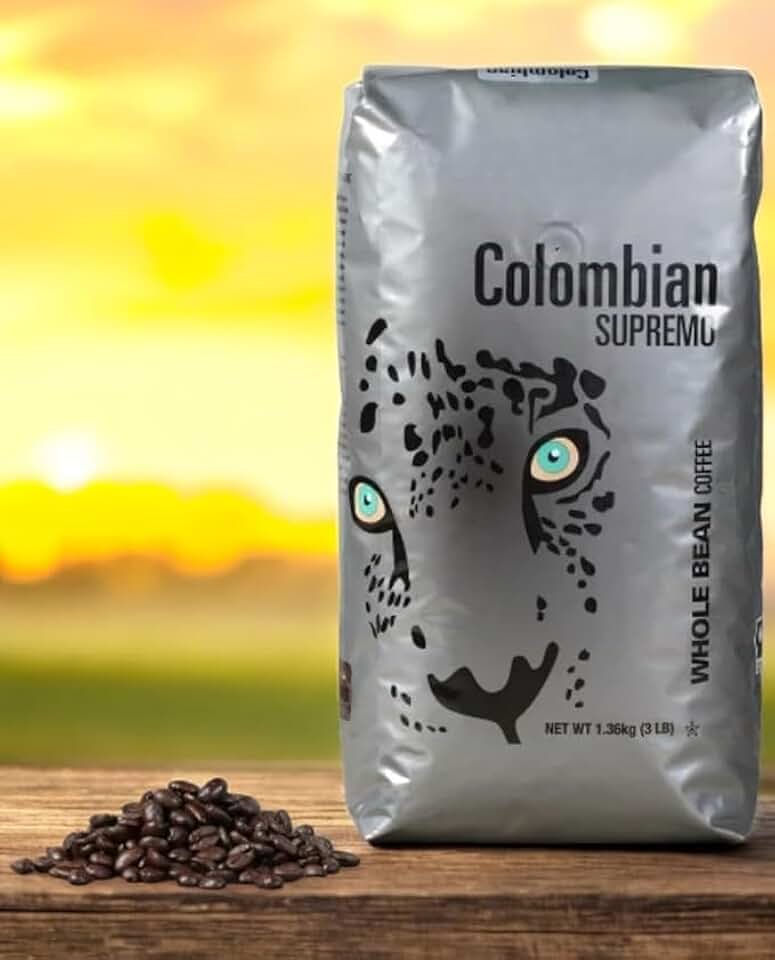
Whole Bean, Medium Roast · Kosher Certified · 3 lb Bag
This Colombian Supremo offers a balanced profile with a smooth finish, ideal for a rich cold brew.

Whole Bean, Medium Roast · Fair Trade Certified · 16-ounce Bag
A classic Colombian Supremo, this option provides a bright and clean taste perfect for a refreshing cold brew.
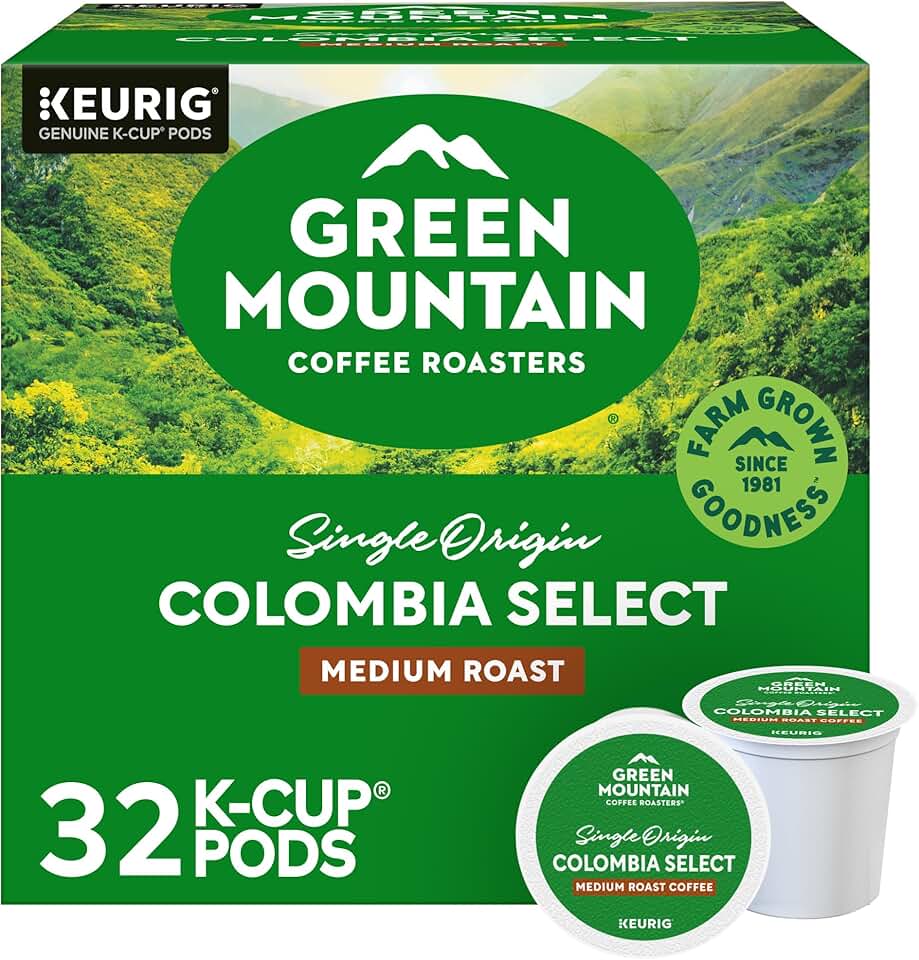
K-Cup Pods, Medium Roast · Compatible with Keurig brewers · 32 Count
While designed for single-serve brewing, the medium roast profile of these Colombian beans can still yield a flavorful cold brew concentrate.
Whole Bean, Medium Roast · Fair Trade Certified · 16-ounce Bag
A classic Colombian Supremo, this option provides a bright and clean taste perfect for a refreshing cold brew.

Whole Bean, Medium Roast · Kosher Certified · 5 lb Bag
This larger bag of Colombian Supremo beans ensures you have plenty of smooth, balanced coffee for all your cold brew needs.
As an Amazon Associate I earn from qualifying purchases. Prices may vary.
Guatemalan Antigua: Chocolate and Spice
Guatemalan Antigua beans offer a unique and satisfying cold brew experience. Grown in the Antigua Valley, surrounded by volcanoes, these beans are known for their chocolatey notes, subtle spice, and full body. They create a smooth, rich, and aromatic brew.
The volcanic soil in Antigua is incredibly fertile and well-drained, contributing to the coffee’s distinctive flavor. It imparts a subtle minerality and complexity that sets it apart from other Central American coffees. You might detect hints of cocoa, cinnamon, and even a touch of smokiness.
Antigua beans are particularly well-suited for those who enjoy a more decadent and comforting cold brew. They hold up well to milk and cream, making them a great choice for lattes or other specialty drinks. It’s a good choice for those wanting something a little different from the more common Colombian or Kenyan options.
I recommend a 1:14 ratio and a medium-coarse grind. Steep for 18-20 hours to fully extract the chocolatey flavors. A slightly longer steep time can also help to round out the acidity and create a smoother mouthfeel.
Beyond Single Origins: Blends to Consider
While single-origin beans offer a unique and nuanced experience, blends can also work exceptionally well for cold brew. The benefits of blends lie in their complexity and consistency. A well-crafted blend can combine the best qualities of different beans, resulting in a more balanced and flavorful cup.
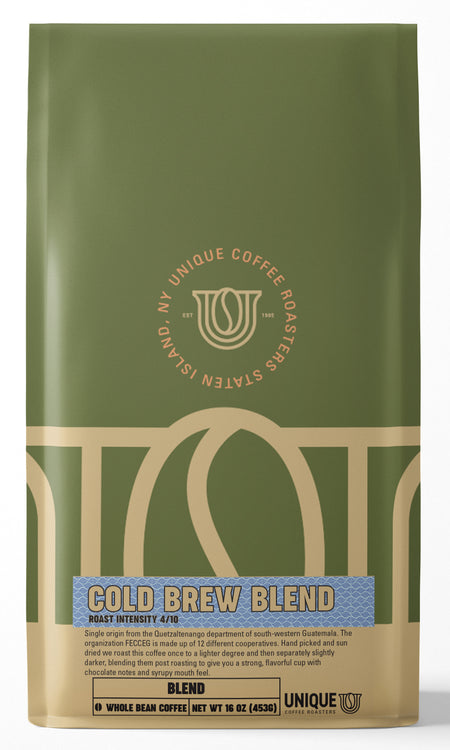
Finding a blend specifically designed for cold brew is ideal. Companies like SF Bay Coffee offer blends tailored for cold brew, focusing on beans that hold up well to the extended steeping process. Evaluating a cold brew blend involves looking for descriptions that mention smoothness, low acidity, and balanced flavors.
I'm not sure blends get enough credit. They often provide a more consistent experience than single origins, which can vary depending on the harvest and growing conditions. A good blend can also be more affordable than high-end single-origin beans. Don't dismiss them out of hand.
When selecting a blend, pay attention to the roast level and the origins of the beans used. A medium-dark roast is generally preferred, and a blend that includes beans from different regions—such as South America and Indonesia—can offer a delightful complexity.
Single Origin Bean Comparison for Cold Brew (2026)
| Origin | Flavor Profile | Acidity | Body | Recommended Brewing Method |
|---|---|---|---|---|
| Ethiopian Yirgacheffe | Bright, Floral, Citrus | High | Light-Medium | Immersion |
| Sumatran Mandheling | Bold, Earthy, Chocolate | Low | Full | Immersion |
| Kenyan AA | Bright, Black Currant, Winey | Medium-High | Medium | Drip or Immersion |
| Colombian Supremo | Balanced, Nutty, Caramel | Medium | Medium-Full | Drip or Immersion |
| Guatemalan Antigua | Balanced, Cocoa, Spice | Medium | Full | Immersion |
| Brazilian Santos | Balanced, Chocolate, Nutty | Low-Medium | Medium | Drip |
Illustrative comparison based on the article research brief. Verify current pricing, limits, and product details in the official docs before relying on it.
Roast Level and Freshness: The Final Pieces
The roast level is a crucial factor in determining the final flavor of your cold brew. Generally, medium-dark roasts are preferred, as they offer a good balance of flavor and body without being overly bitter. Lighter roasts can work well with certain beans—like Ethiopian Yirgacheffe—but they require careful attention to brewing parameters.
However, even the best beans and the perfect brewing technique won’t matter if you’re not using freshly roasted coffee. I strongly recommend using beans within two weeks of their roast date. The flavor deteriorates rapidly after that point, resulting in a dull and lifeless brew.
Proper storage is also essential. Store your beans in an airtight container, away from light, heat, and moisture. Avoid storing them in the refrigerator or freezer, as this can introduce unwanted flavors. Whole bean coffee stays fresher longer than ground coffee, so grinding your beans just before brewing is always the best option.
A little detail here can make a big difference. Investing in a quality burr grinder and consistently using fresh beans will elevate your cold brew to a whole new level. It’s about more than just convenience; it’s about unlocking the full potential of your coffee.
- Use freshly roasted beans: Within two weeks of the roast date is ideal.
- Store beans properly: Airtight container, away from light, heat, and moisture.
- Grind just before brewing: Whole bean coffee stays fresher longer.
- Experiment with roast levels: Medium-dark is a good starting point, but adjust to your preference.
No comments yet. Be the first to share your thoughts!