

Cold brew trends
Cold brew used to be made with whatever coffee was on hand, often a blend meant for hot brewing. Now, serious cold brew drinkers seek single-origin beans. The long steeping process highlights the unique characteristics of single-origin beans, creating a more nuanced and flavorful cup than a blend.
Roasters now offer beans specifically suited for cold brew. This reflects a growing understanding that cold brew demands different bean selection. Blends can mask subtle flavors, which are essential in cold brew. The goal is clarity – a clean brew that showcases the bean’s inherent qualities.
This guide focuses on single-origin beans that consistently deliver exceptional cold brew. We evaluated each bean based on flavor profile, response to long extraction, availability in the US and online, and roast quality. Price was considered, but quality was prioritized. Information was sourced from Sky Cold Brew's research, That’s Cold Brew Coffee's roast reports, and SF Bay Coffee's guides.
Top 15 single-origin cold brew beans
Here are fifteen single-origin beans that consistently perform well in cold brew, offering a range of flavor profiles to suit different preferences. Prices are estimates as of late 2026 and can vary depending on the roaster and quantity purchased.
1. Ethiopian Yirgacheffe: (Washed) – Origin: Ethiopia, Yirgacheffe region. Processing: Washed. Roast: Light-Medium. Price: $22-30/lb. Yirgacheffe is a classic for a reason. Its bright acidity and floral aromas translate beautifully into cold brew, creating a delicate and refreshing drink. The washed processing enhances the clarity of the flavors.
2. Kenyan AA: (Washed) – Origin: Kenya, various regions. Processing: Washed. Roast: Medium. Price: $18-26/lb. Kenyan AA beans are known for their vibrant acidity and black currant notes. In cold brew, these flavors become even more pronounced, resulting in a complex and invigorating cup. Look for beans from well-regarded cooperatives.
3. Sumatran Mandheling: (Giling Basah) – Origin: Indonesia, Sumatra. Processing: Giling Basah (wet-hulled). Roast: Dark-Medium. Price: $16-24/lb. For those who prefer a bolder cold brew, Sumatran Mandheling is an excellent choice. Its earthy, full-bodied character and low acidity create a smooth and satisfying drink. The giling basah process contributes to its unique flavor profile.
4. Colombian Huila: (Washed) – Origin: Colombia, Huila region. Processing: Washed. Roast: Medium. Price: $15-22/lb. Huila beans are consistently high-quality, offering a balanced flavor profile with notes of caramel, citrus, and chocolate. They’re a versatile option that works well in cold brew, providing a smooth and approachable cup.
5. Guatemalan Antigua: (Washed) – Origin: Guatemala, Antigua region. Processing: Washed. Roast: Medium-Dark. Price: $17-25/lb. Antigua beans are known for their chocolatey notes and subtle smokiness. In cold brew, these flavors become more prominent, creating a rich and complex drink. They also possess a pleasant acidity that keeps things balanced.
6. Ethiopian Guji: (Natural) – Origin: Ethiopia, Guji region. Processing: Natural. Roast: Light-Medium. Price: $24-32/lb. Guji beans, especially those processed naturally, offer a fruit-forward flavor profile with notes of blueberry and strawberry. This translates beautifully to cold brew, creating a bright and aromatic drink. Be prepared for a slightly heavier body.
7. Costa Rican Tarrazu: (Washed) – Origin: Costa Rica, Tarrazu region. Processing: Washed. Roast: Medium. Price: $16-24/lb. Tarrazu beans are known for their clean, bright flavor and notes of citrus and honey. They're a reliable choice for cold brew, delivering a consistently smooth and refreshing cup.
8. Rwandan Inzovu: (Washed) – Origin: Rwanda, various regions. Processing: Washed. Roast: Medium-Light. Price: $20-30/lb. Rwandan Inzovu beans offer a complex flavor profile with notes of black tea, citrus, and floral aromas. They're a relatively new arrival on the specialty coffee scene, but they’re quickly gaining a reputation for their quality.
9. Sulawesi Toraja: (Semi-Washed) – Origin: Indonesia, Sulawesi. Processing: Semi-Washed. Roast: Dark-Medium. Price: $18-26/lb. Toraja beans offer a unique flavor profile with notes of dark chocolate, spice, and earthy undertones. They’re a good option for those who want a bold and complex cold brew.
10. Honduran Copán: (Washed) – Origin: Honduras, Copán region. Processing: Washed. Roast: Medium. Price: $14-20/lb. Copán beans are known for their balanced flavor profile and notes of caramel, chocolate, and citrus. They’re a great everyday option for cold brew.
11. Burundi Kayanza: (Washed) – Origin: Burundi, Kayanza region. Processing: Washed. Roast: Medium-Light. Price: $22-30/lb. Kayanza beans offer a bright and floral flavor profile with notes of black currant and citrus. They’re a relatively rare and sought-after bean.
12. Mexican Pluma: (Washed) – Origin: Mexico, Chiapas region. Processing: Washed. Roast: Light-Medium. Price: $14-22/lb. Pluma beans are known for their smooth body and notes of chocolate and nuts. They’re a good option if you prefer a milder cold brew.
13. Tanzanian Peaberry: (Washed) – Origin: Tanzania, various regions. Processing: Washed. Roast: Medium. Price: $20-30/lb. Peaberry beans are a unique mutation where only one bean develops inside the coffee cherry. They're often said to have a more concentrated flavor, and in cold brew, this can be very noticeable.
14. Peruvian Villa Rica: (Washed) – Origin: Peru, Villa Rica region. Processing: Washed. Roast: Medium. Price: $15-22/lb. Villa Rica beans offer a well-balanced flavor profile with notes of chocolate, caramel, and citrus. They’re a versatile option that works well in cold brew.
15. Bolivian Gesha: (Washed) – Origin: Bolivia, Yungas region. Processing: Washed. Roast: Light-Medium. Price: $35-50/lb. Gesha (or Geisha) is a highly prized variety known for its floral aromas and delicate flavor. It’s a splurge, but the resulting cold brew is truly exceptional – a complex and aromatic experience.
Featured Products

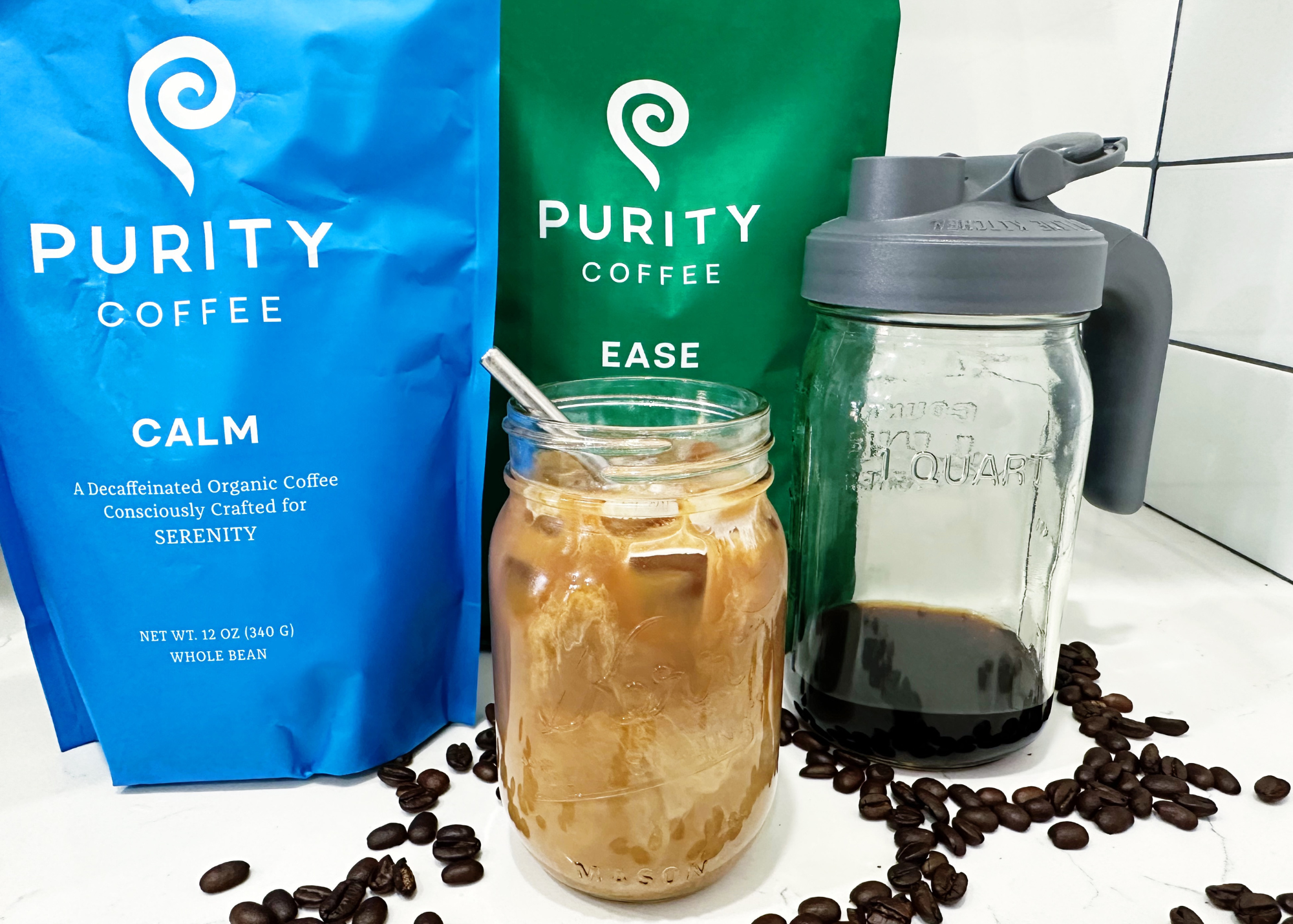
Vanilla Latte flavor · 8g protein per serving · Fair Trade Certified
This vanilla latte flavored cold brew offers a convenient and protein-rich option for a smooth, ready-to-drink cold brew experience.

Medium-light roast Ethiopian beans · Notes of stone fruit, caramel, and toasted pine nuts · Single origin, whole bean
These Ethiopian beans provide a complex flavor profile with fruity and nutty undertones, perfect for a nuanced and aromatic cold brew.

USDA Organic Sumatra Mandheling beans · Medium roast · Fresh roasted, whole bean
The rich, earthy notes of Sumatra Mandheling beans, presented in a USDA Organic medium roast, create a bold and smooth cold brew with low acidity.

Certified Organic and Fairtrade · Medium roast, whole bean · 2.2 pound bag
Kicking Horse Three Sisters offers a balanced, medium roast with a hint of sweetness, making it a versatile and ethically sourced choice for large batches of cold brew.
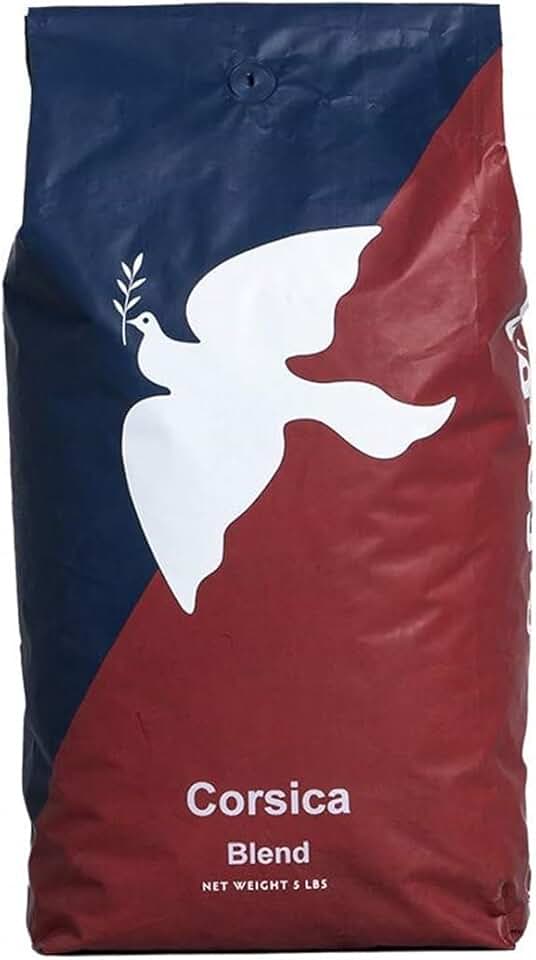
Dark roast Corsica blend · Notes of baker's chocolate, red wine, and spices · 5-pound bag
This dark roast delivers a rich and decadent cold brew with notes of chocolate and spice, ideal for those who prefer a bolder, more intense flavor.
As an Amazon Associate I earn from qualifying purchases. Prices may vary.
Ethiopian Yirgacheffe: Floral and bright
Ethiopian Yirgacheffe is a top choice for cold brew. Its bright acidity and floral aromas translate well to the cold brew process, creating a refreshing and complex cup. Yirgacheffe retains its vibrancy during long steeps, unlike some beans that can become muted.
Yirgacheffe's flavor profile includes jasmine, bergamot, and lemon zest. These notes are amplified in cold brew, offering a nuanced and aromatic experience. Washed processed Yirgacheffe enhances clarity and brightness. Natural processed Yirgacheffe can also be excellent, but they tend to have a heavier body and more pronounced fruit flavors.
For Yirgacheffe in cold brew, use a slightly coarser grind than for a French press. A 1:10 coffee-to-water ratio is a good starting point. Steeping for 18-24 hours at room temperature yields a balanced brew. Adjust steep time for desired intensity.
Sumatra Mandheling: Earthy and bold
Sumatra Mandheling offers a different cold brew experience than Yirgacheffe. This Indonesian bean has an earthy, full-bodied character and low acidity, making it a good choice for those who prefer a robust cup. It's an option if you enjoy a substantial and satisfying cold brew.
Mandheling's flavor profile comes from the "giling basah" (wet-hulled) processing method. This technique removes the parchment skin while beans have high moisture, resulting in a distinctive earthy flavor and irregular shape. Notes include dark chocolate, spice, and cedar.
Mandheling's lower acidity allows for a longer steep time than Yirgacheffe. A 1:8 ratio and a 24-36 hour steep at room temperature bring out its rich flavors. A medium-coarse grind is ideal. If the brew is too earthy, use filtered water or try a slightly lighter roast.
Brew ratios and grind size
A 1:8 coffee-to-water ratio is a starting point for cold brew, but not all beans are the same. Denser beans, like some Sumatran varieties, may benefit from a higher ratio (e.g., 1:7), while less dense beans, like Ethiopian Yirgacheffe, may do better with a lower ratio (e.g., 1:10).
Grind size is also important. Too fine a grind results in a muddy, over-extracted brew. Too coarse a grind yields weak, underdeveloped flavors. For most single-origin beans, a medium-coarse grind, similar to a French press, is a good starting point. Adjust based on taste. If the brew is too bitter, try a coarser grind. If it’s too weak, try a finer grind.
Experiment with brew parameters like ratio, grind size, and steep time, and note the results. Small adjustments can significantly impact flavor. Using a burr grinder is essential for a consistent grind size, leading to consistent results.
- 1:7 Ratio: For denser beans, like some Sumatran varieties.
- 1:8 Ratio: A good starting point for most beans.
- 1:10 Ratio: For less dense beans, like Ethiopian Yirgacheffe.
Roast date matters: Freshness first
Freshly roasted beans are arguably the most important factor in making great cold brew. Stale beans lose volatile aromatic compounds, resulting in a muted, less flavorful cup. Cold brew's long steeping process accentuates staleness, so day-old beans won't suffice.
Use beans roasted within the past two weeks. After about a month, flavor noticeably declines. Look for a roast date on the bag, not just a "best by" date. Many roasters include roast dates prominently on packaging.
When buying beans online, check the roaster’s shipping policies to ensure freshly roasted beans. If buying from a local roaster, ask about their roasting schedule and purchase beans shortly after roasting. Flavor degradation accelerates after opening, so store beans in an airtight container in a cool, dark place.
Water and filtration
While the coffee bean is central, water quality significantly impacts cold brew flavor. Mineral content and impurities affect extraction and can mask subtle bean flavors. Filtered water is recommended.
Carbon filters remove chlorine and other impurities. Reverse osmosis filters purify further but also remove beneficial minerals. If using reverse osmosis water, consider adding a pinch of sea salt. to restore some of the mineral content. The SF Bay Coffee guide recommends using filtered water for optimal results.
Experiment with different types of water to see what works best for you. Just as with beans, water quality is a matter of personal preference. But starting with clean, filtered water is a solid foundation for a delicious cup of cold brew.
No comments yet. Be the first to share your thoughts!