

The Cold Brew Bean Landscape: Why Your Choice Matters
Cold brew is different. It's not simply iced coffee; it’s a fundamentally different extraction method, and that means the beans you choose matter more than you might think. Hot brewing relies on heat to quickly pull flavors and oils from the coffee grounds. Cold brew? It’s a slow dance, a 12-24 hour immersion in cool water. This extended contact time extracts different compounds, leading to a smoother, less acidic, and naturally sweeter final product.
Because of this gentle extraction, flaws in the bean are less masked. A mediocre bean brewed hot might be passable with enough milk and sugar. But in cold brew, those flaws will be front and center. The quality of your starting point directly impacts the quality of your final brew. It's a bit unforgiving, honestly.
Roast level and grind size are also key, and heavily influenced by bean choice. Generally, a medium to medium-dark roast is preferred, allowing for full flavor development without excessive bitterness. And you’ll need a coarse grind – think French press – to prevent over-extraction during the long steeping process. But even the perfect roast and grind can’t save a poor-quality bean.
I've seen too many people start with pre-ground, supermarket coffee and wonder why their cold brew tastes… lackluster. It’s a common mistake. Investing in good beans is the single biggest step you can take to improve your cold brew game. Don’t skimp here. You’ll taste the difference, I promise.
Single Origin vs. Blend: The Flavor Philosophy
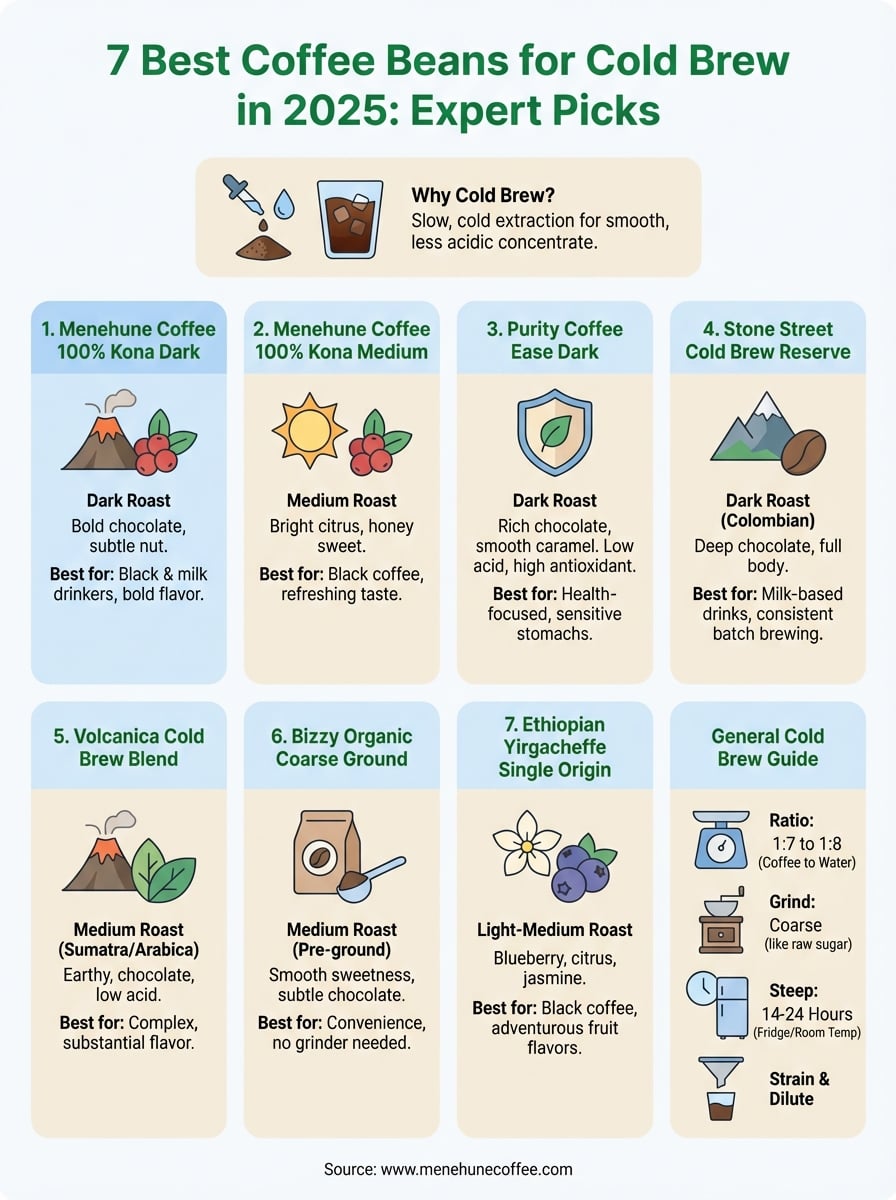
The age-old debate: single origin or blend? For cold brew, it’s a bit more nuanced than with hot brewing. Single-origin coffees offer a unique window into a specific farm, region, or even processing method. They’re for the coffee enthusiast who wants to explore distinct flavor profiles – the floral notes of an Ethiopian Yirgacheffe, the earthy complexity of a Sumatran Mandheling.
What’s interesting is that cold brewing actually enhances the qualities that make single origins so appealing. The process softens acidity and emphasizes sweetness, creating a rounder, smoother cup. Those delicate floral aromas don’t get lost; they become more pronounced, more integrated. It’s a beautiful thing.
Blends, on the other hand, prioritize balance and consistency. They’re designed to deliver a predictable flavor experience, masking any potential quirks from individual beans. This makes them a safer bet, especially for larger-scale commercial production. It’s why you’ll see a lot of blends in ready-to-drink cold brew bottles at the grocery store.
However, don’t dismiss single origins as too finicky. While they require a bit more attention to detail, the reward – a truly exceptional cup of cold brew – is well worth the effort. The nuances aren't lost in cold brew; they're amplified. You're not fighting against the acidity, you're highlighting the inherent sweetness.
From a commercial standpoint, blends offer scalability and cost control. Maintaining a consistent flavor profile across large batches is easier with a blend than with a single origin that can vary from harvest to harvest. La Colombe, Wandering Bear, Stumptown, and Stok all largely rely on blends for this reason.
I personally lean towards single origins when I have the time and access to quality beans. The exploration is part of the fun. But if I’m making a large batch for a party, I might opt for a well-crafted blend to ensure everyone enjoys it.
- Single Origin: Unique flavor profiles, enhanced sweetness in cold brew, requires more attention to detail.
- Blend: Consistent flavor, easier to scale, predictable results.
Single Origin vs. Blend: A Quick Guide
- Flavor Complexity: Single origins generally offer more nuanced and distinct flavor profiles, showcasing the unique terroir of their origin. Blends aim for balance and consistency, often resulting in a more straightforward taste.
- Consistency: Blends are formulated to maintain a consistent flavor profile batch to batch. Single origins can vary significantly depending on harvest and processing, offering exciting differences but less predictability.
- Price: Typically, single-origin coffees, especially those from highly-regarded regions like Kona Coffee or Ethiopian Yirgacheffe, are more expensive than blends due to limited supply and specialized processing.
- Availability: Blends, particularly those from established brands like Peet's Coffee or Starbucks, are widely available in grocery stores and online. Single origins can be harder to find, often requiring specialty coffee roasters.
- Best Use Cases (Cold Brew): Single origins like Sumatra Mandheling and Sulawesi Toraja excel in cold brew, yielding chocolatey, earthy, and full-bodied results. Their lower acidity shines when cold brewed.
- Best Use Cases (Cold Brew): Blends, such as those designed for drip coffee from Intelligentsia Coffee, can also work well for cold brew, offering a balanced and approachable flavor. They are a good starting point for beginners.
- Ethiopian Yirgacheffe (Single Origin): Known for its bright, floral, and citrusy notes, Yirgacheffe makes a delicate and aromatic cold brew. Look for washed processed beans for clarity.
- Dark Roast Blends (Blend): A dark roast blend, like Death Wish Coffee, can create a bold and intense cold brew, perfect for those who prefer a strong, robust flavor. Be mindful of potential bitterness.
Roast Level: Finding the Sweet Spot for Cold Brew
Medium to medium-dark roasts are consistently recommended for cold brew, and for good reason. These roasts have developed enough flavor complexity to stand up to the long extraction time, while still retaining some brightness and acidity. They strike a balance between body, sweetness, and a pleasant level of bitterness.
Lighter roasts, while popular in third-wave coffee, can sometimes fall flat in cold brew. They often lack the body and depth of flavor needed to create a satisfying cup. The subtle nuances can get lost in the long steeping process, resulting in a thin, watery brew.
I’m not a fan of overly dark roasts either. While they deliver a bold, intense flavor, they can easily become bitter and lose the delicate aromas that make coffee so enjoyable. The extended extraction time of cold brew exacerbates this issue, pulling out even more of those undesirable bitter compounds.
What's happening chemically? Roasting develops melanoidins, which contribute to color, body, and sweetness. It also creates aromatic compounds that give coffee its distinct flavor. A medium-dark roast hits that sweet spot, maximizing melanoidin formation without excessive charring. That charring, in darker roasts, is where a lot of the bitterness comes from.
Ethiopian Yirgacheffe: The Cold Brew All-Star
If I had to pick one single-origin coffee for cold brew, it would be Ethiopian Yirgacheffe. It consistently ranks high among coffee professionals and enthusiasts, and for good reason. Its flavor profile – floral, citrusy, bright, with a hint of bergamot – translates beautifully to cold brew.
The cold brewing process softens Yirgacheffe’s natural acidity, making it incredibly smooth and approachable. It also amplifies the floral aromas, creating a truly intoxicating cup. I’ve found that Yirgacheffe consistently delivers a clean, crisp, and refreshing cold brew experience.
When buying Yirgacheffe, pay attention to the processing method. Washed Yirgacheffe tends to be brighter and more floral, while natural processed Yirgacheffe is fruitier and more complex. Both are excellent, but they offer distinct flavor profiles. Natural processed will often have a heavier body.
I've experimented with several Yirgacheffe beans over the years, and I consistently return to those from the Kochere region. They tend to have a particularly vibrant acidity and a complex floral aroma. I’m still researching specific farms to recommend, but I'll update this guide as I find reliable sources. It’s important to find a reputable supplier to ensure you’re getting genuine, high-quality Yirgacheffe.
- Flavor Profile: Floral, citrusy, bright, bergamot.
- Processing Method: Washed (brighter, floral) or Natural (fruitier, complex).
Beyond Ethiopia: Sulawesi, Kona, Sumatra, and Brazilian Beans
While Ethiopian Yirgacheffe is a standout, there's a world of other origins that excel in cold brew. Indonesian Sulawesi, often referred to as Toraja, offers a unique earthy, chocolatey flavor profile with a full body. It's a great choice for those who prefer a more robust cold brew.
Hawaiian Kona, particularly 100% Kona coffee, is known for its smooth, nutty flavor and low acidity. It’s a premium option, and the price reflects that. Be wary of “Kona blends,” as they may contain only a small percentage of actual Kona coffee. Is it worth the cost? That depends on your budget and your palate.
Premium Sumatran Mandheling beans deliver a bold, full-bodied cold brew with earthy, herbal notes. It’s a great choice for those who enjoy a more intense flavor experience. The body is substantial, and the acidity is low.
Brazilian beans, particularly those from the Cerrado region, offer a classic chocolatey, nutty flavor profile. They’re versatile and approachable, making them a good all-around choice for cold brew. They are typically less expensive than Kona or Sumatra.
I’ve found that a blend of Sulawesi and Brazilian beans can create an incredibly balanced and satisfying cold brew. The earthy notes of the Sulawesi complement the chocolatey sweetness of the Brazilian beans.
Price points vary significantly. Kona is typically the most expensive, followed by Sumatra, Sulawesi, and then Brazilian beans. Consider your budget and flavor preferences when making your selection.
- Sulawesi: Earthy, chocolatey, full-bodied.
- Kona: Smooth, nutty, low acidity (expensive).
- Sumatra: Bold, earthy, herbal.
- Brazilian: Chocolatey, nutty, versatile.
Top Coffee Beans for Your Perfect Cold Brew in 2024
Organic, Fair Trade Certified · Medium roast with notes of cocoa, hazelnut, and brown sugar · Smooth and balanced flavor profile
This medium roast offers a smooth, balanced flavor that is versatile for cold brew, allowing the inherent sweetness to shine through.
Blend of coffees from three continents · Rich, syrupy body with notes of chocolate, caramel, and cherry · Dark roast
A popular dark roast blend known for its rich, chocolatey notes, making it an excellent choice for a bold and satisfying cold brew.
USDA Organic, Fair Trade Certified · Bold, strong flavor with smooth finish · Dark roast
For those seeking an extra kick, this dark roast is famously strong yet surprisingly smooth, perfect for a robust cold brew.
Single origin from Sumatra · Dark roast with earthy, chocolatey, and spicy notes · Low acidity
Sumatra Mandheling is renowned for its heavy body and low acidity, ideal for a smooth, complex, and less bitter cold brew.
Single origin from Ethiopia's Yirgacheffe region · Medium roast with floral and fruity notes (citrus, berry) · Bright acidity
This single-origin bean offers bright, complex flavors with floral and citrus undertones, providing a refreshing and nuanced cold brew experience.
As an Amazon Associate I earn from qualifying purchases. Prices may vary.
Grind Size and Bean Type: The Final Pieces of the Puzzle
We've talked about bean origin and roast level, but let's revisit grind size and bean type. For cold brew, a coarse grind is essential. Think the consistency of coarse sea salt. This prevents over-extraction, which can lead to a bitter, muddy brew. A finer grind will result in too many fines passing through your filter.
Arabica beans are generally the best choice for cold brew. They offer a smoother, more complex flavor profile than Robusta beans. However, there are exceptions. If you’re specifically looking for a high-caffeine, bold brew, a small percentage of Robusta beans can add a kick.
I generally advise against using Robusta beans as the primary bean for cold brew. Their strong, rubbery flavor can easily overwhelm the more delicate aromas of the Arabica beans. But a touch can be interesting if you're experimenting.
Mocha Java Blends: A Classic Cold Brew Choice
Let’s circle back to blends, specifically the Mocha Java blend. This classic combination typically consists of Yemeni Mocha coffee and Indonesian Java coffee. The result is a balanced, complex flavor profile that works exceptionally well in cold brew.
The Yemeni Mocha contributes a winey acidity and chocolatey sweetness, while the Indonesian Java adds an earthy body and subtle spice. Together, they create a harmonious blend that’s both flavorful and approachable. It’s a reliable, crowd-pleasing choice.
Historically, Mocha Java blends were favored by sailors traveling between Yemen and Java. They offered a consistent and flavorful coffee option during long voyages. That legacy of reliability continues today.
Sourcing authentic Mocha Java can be tricky. True Yemeni Mocha is often expensive and difficult to find. Many blends labeled “Mocha Java” may contain lower-quality beans. I’m currently researching reputable suppliers of authentic Mocha Java blends and will update this guide with my findings. Ethical sourcing is also important, as coffee production in Yemen can be challenging.
What's your favorite coffee bean origin for cold brew?
We're exploring the best coffee beans for cold brew in 2024. Cast your vote for your preferred single origin or blend type!
No comments yet. Be the first to share your thoughts!