

The shift to nitro
Cold brew has been popular for a decade, but 2026 is when home setups finally caught up to the cafe. I've noticed more people ditching the basic iced coffee for nitro because it actually tastes like a premium product rather than just cold caffeine.
The appeal is multi-faceted. It's the visual spectacle of the cascading bubbles, the incredibly smooth texture, and a perceived sweetness that reduces the need for added sugar. But the science is key. Infusing cold brew with nitrogen creates tiny bubbles that enhance aroma and mouthfeel. It's a textural experience as much as a flavor one.
For a long time, nitro was exclusively a coffee shop offering. The equipment seemed intimidating, and the process felt inaccessible. Now, thanks to more affordable and user-friendly systems, bringing that nitro experience home is within reach for more people. It's no longer a barista-only skill. It’s about control – customizing your brew exactly to your liking, without the lines and the cost of daily cafe visits.
I think the desire for novelty plays a role too. People are always looking for the next exciting thing in coffee, and nitro delivers that. It’s a conversation starter, a little bit of luxury you can enjoy in your kitchen. It's a step up from standard cold brew, offering a significantly different sensory experience.
The concentrate foundation
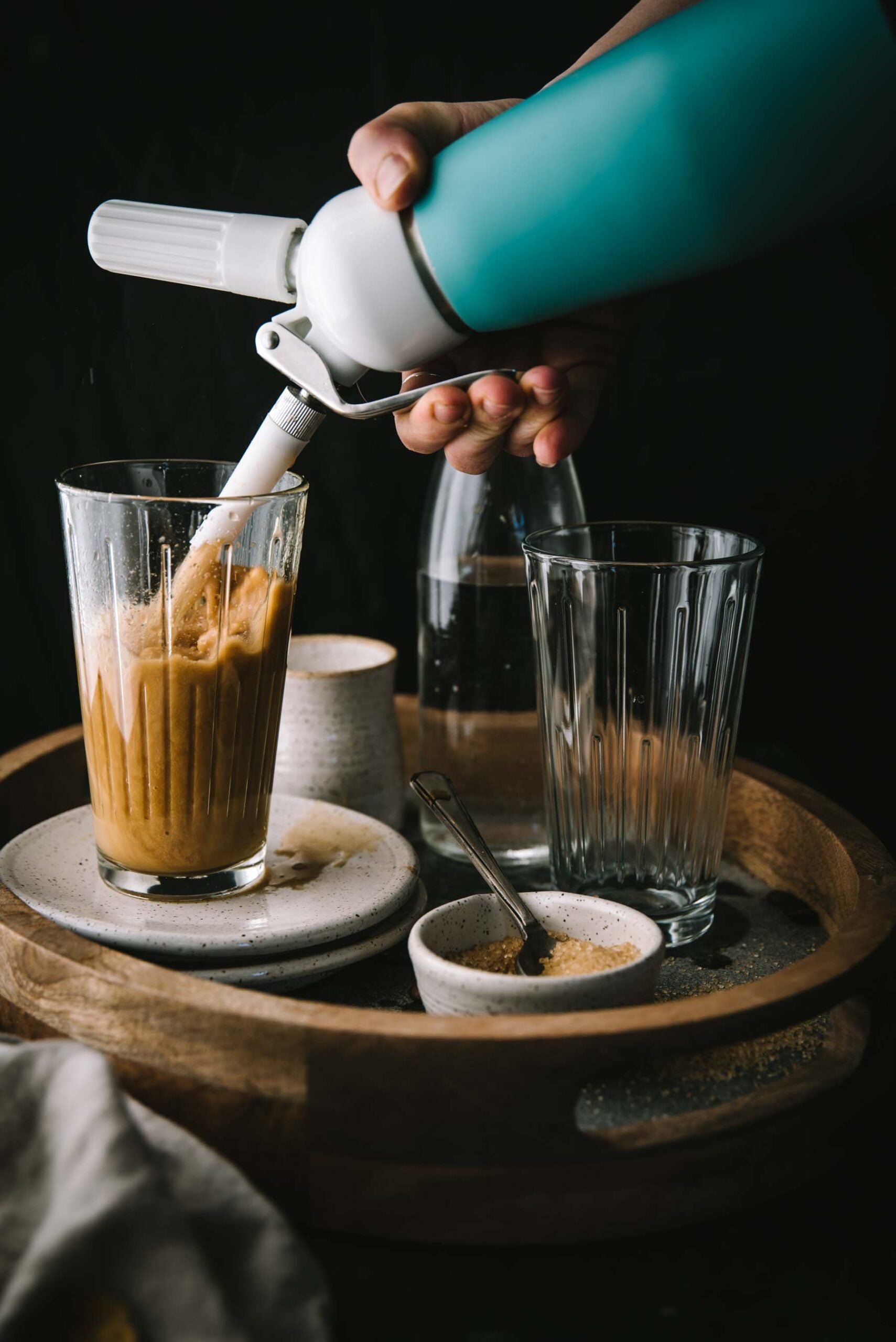
Nitro cold brew is only as good as the concentrate you start with. While any cold brew will technically work, a well-made concentrate specifically designed for nitro will yield far superior results. Strength is important – you want a concentrate that won’t get diluted too much by the nitrogen. Clarity also matters; a muddy concentrate will translate to a cloudy, less appealing nitro pour.
The beans matter most. Sky Cold Brew’s 2026 guide suggests single-origin beans from Ethiopia or Colombia for their acidity. I prefer a medium-dark roast; dark roasts often turn unpleasantly bitter once you add nitrogen.
Ratios are crucial. A 1:8 coffee-to-water ratio is a solid starting point, but don't be afraid to experiment. I've found that a 1:6 ratio can create an incredibly potent concentrate perfect for nitro, but it requires careful dilution during serving. Grind size is also a factor. A coarse grind is essential for cold brew to prevent over-extraction and sediment. Think French press coarse.
One common mistake is using pre-ground coffee. Grinding your own beans right before brewing makes a huge difference in freshness and flavor. Another is not filtering the concentrate thoroughly enough. Fine sediment can clog your nitro system and result in a poor pour. Using a double-filtering process – first with a large mesh strainer, then with a paper filter – is a good practice.
Nitro equipment from basic to pro
The initial investment for at-home nitro can vary widely. The absolute minimum you’ll need is a stout tap (like those used for Guinness) and a nitrogen tank with a regulator. This is the most affordable route, typically costing around $150 - $300, but it requires more manual effort and offers less control over pressure. You'll also need a way to chill your concentrate.
Stepping up, you’ll find dedicated nitro cold brew systems. These range from basic countertop models to more advanced kegerators. Countertop systems, like the GrowlerWerks NitroPress, offer a convenient all-in-one solution for smaller batches, usually around $300-$500. Kegerators, which house a standard 5-gallon keg, provide more capacity and precision, but are significantly more expensive, starting around $600 and going up from there.
Nitrogen regulators are a critical component. A single-gauge regulator is sufficient for basic setups, but a dual-gauge regulator allows you to monitor both the tank pressure and the output pressure, giving you greater control. Couplers connect the regulator to the nitrogen tank and the keg. Different types of couplers are available depending on the keg style.
Pressurized tanks are dangerous if you're careless. Stick to food-grade nitrogen and never go over the PSI limit on your regulator. Check your hoses for cracks every few weeks. Spending $50 more on a reliable regulator is better than dealing with a blown seal.
- A basic setup ($150-$300) includes a stout tap, nitrogen tank, and regulator.
- Countertop systems like the GrowlerWerks NitroPress ($300-$500) are all-in-one units for small batches.
- Kegerator System ($600+): Kegerator, nitrogen tank, regulator, keg.
Nitro Cold Brew Home Setup Comparison
| Setup Name | Cost | Ease of Use | Scalability | Maintenance | Flavor Control |
|---|---|---|---|---|---|
| Basic Stout Tap System | Low | Medium | Low | Medium | Medium |
| Portable Nitro Cold Brew System | Medium | High | Low | Low | Medium |
| Mini Keg System (with Nitro) | Medium | Medium | Medium | Medium | Medium |
| Dedicated Nitro System (with Regulator) | High | Medium | High | High | High |
| Dual Pressure System | High | Medium | High | High | High |
| Countertop Nitro Machine | Medium | High | Low | Low | Medium |
Illustrative comparison based on the article research brief. Verify current pricing, limits, and product details in the official docs before relying on it.
Nitrogen gas safety
Using food-grade nitrogen is non-negotiable. Industrial-grade nitrogen may contain contaminants that could affect the taste and safety of your cold brew. Ensure the nitrogen you purchase is specifically labeled as food-grade and meets the necessary purity standards. It’s tempting to save money, but this is not an area to cut corners.
Nitrogen tanks come in various sizes, measured in cubic feet. A smaller 20 cubic foot tank is suitable for occasional use, while a larger 40 or 60 cubic foot tank is better for frequent nitro brewing. The size you choose depends on how much nitro cold brew you plan to make. Consider the refill cost and convenience when making your decision.
Safety precautions are essential. Always store your nitrogen tank in a well-ventilated area, away from heat and direct sunlight. Secure the tank to prevent it from falling over. Use a proper regulator to control the pressure and avoid over-pressurizing the system. If you suspect a leak, immediately shut off the nitrogen supply and ventilate the area. I've seen people use makeshift setups, and it's just not worth the risk.
Dialing in your pour
Achieving the perfect nitro pour is a process of experimentation. Start with a nitrogen pressure setting of around 30-40 PSI. This is a good baseline, but you’ll likely need to adjust it based on your equipment and the desired head. A higher pressure will result in a thicker head, while a lower pressure will produce a smoother, less foamy pour.
Temperature control is equally important. Your cold brew concentrate should be thoroughly chilled, ideally around 35-40°F. The nitrogen itself should also be cold. Some advanced systems include a chiller for the nitrogen line, but simply keeping the tank in a cool place can help. A warmer temperature will result in a flatter pour.
Troubleshooting is inevitable. If you’re getting a flat pour, increase the nitrogen pressure or check for leaks in your system. If you’re getting excessive head that dissipates quickly, decrease the nitrogen pressure or try a slightly warmer concentrate. Adjusting in small increments is key – a little change can make a big difference.
Don't be afraid to experiment with different pressures and temperatures until you find the sweet spot. Keep a log of your settings and results to help you replicate your perfect pour consistently. It takes practice, but the reward – a perfectly cascading glass of nitro cold brew – is well worth the effort.
Flavor combinations
Nitro cold brew provides a fantastic canvas for flavor experimentation. Simple syrups are a great starting point. Vanilla, caramel, and hazelnut are classic choices, but don’t be afraid to get creative. Infused syrups, like lavender or rosemary, can add a unique twist. Extracts, like almond or peppermint, can also be used, but use them sparingly as they can be quite potent.
The nitrogen affects the perception of flavors. It tends to soften bitter notes and enhance sweetness, making nitro cold brew a particularly good match for delicate flavors. Spices, like cinnamon or nutmeg, can add warmth and complexity. A dash of chocolate sauce can create a decadent mocha nitro.
Consider the impact of sweeteners on the texture and cascade. Sugar syrups will generally produce a smoother, more stable head than granular sugars. Honey can add a unique floral note, but it may also affect the clarity of the pour. I've found that agave nectar works well as a neutral sweetener that doesn't interfere with the texture.
Here are a few recipe ideas to get you started: Vanilla Nitro: 2 oz vanilla syrup + 8 oz nitro cold brew. Mocha Nitro: 1 oz chocolate sauce + 8 oz nitro cold brew. Spiced Nitro: 1/4 tsp cinnamon + 1/8 tsp nutmeg + 8 oz nitro cold brew.
Cleaning and maintenance
Regular cleaning is essential for maintaining the performance and hygiene of your nitro system. Buildup of coffee oils and sediment can clog lines and affect the taste of your cold brew. A cleaning schedule of once a week is a good starting point, but you may need to clean more frequently if you’re using your system heavily.
Use a dedicated keg cleaning solution, like PBW (Powdered Brewery Wash), to remove stubborn residue. Avoid using harsh chemicals or abrasive cleaners, as they can damage the system components. Disassemble the tap and lines, and soak them in the cleaning solution for at least 30 minutes. Rinse thoroughly with clean water.
Clogged lines are a common issue. If you notice a significant drop in flow rate, try backflushing the lines with hot water and cleaning solution. A small brush can also be used to scrub the inside of the lines. Preventing buildup through regular cleaning is the best way to avoid clogs.
Don't neglect the keg itself. After emptying a keg, rinse it thoroughly with hot water and cleaning solution. Allow it to air dry completely before refilling. A well-maintained system will provide years of trouble-free nitro brewing.
What's the biggest barrier preventing you from trying nitro cold brew at home?
We want to help you get started with nitro cold brew at home. Let us know what is holding you back so we can address it in our upcoming guides. Vote below!



No comments yet. Be the first to share your thoughts!