


Make the recipe
This Sky Cold Brew recipe blends the smooth, low-acidity foundation of cold brew with the bright, tangy notes of Icelandic skyr. The result is a drink that feels like a dessert but drinks like a refreshing summer cooler. It relies on a simple 1:1 ratio of skyr to cold brew concentrate, balanced with honey and a splash of vanilla, to create a texture that is thick, creamy, and deeply satisfying.
The key to this drink is the quality of the base. Use a cold brew concentrate that is smooth and not overly bitter, as the skyr will mellow out the acidity but not the roast notes. Te & Kaffi is a solid choice for a family-roasted base, but any high-quality cold brew will work. The skyr provides the protein and creaminess, while the honey adds a floral sweetness that pairs beautifully with coffee.
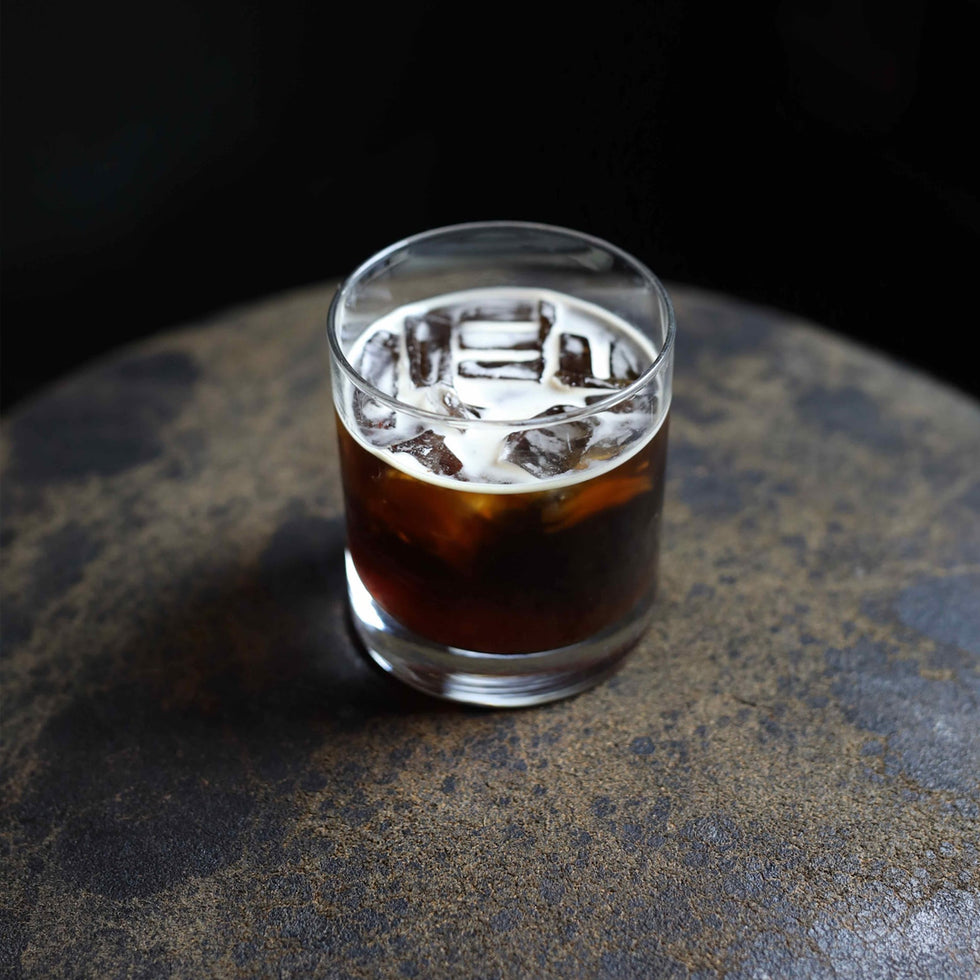
To make this, you will need a blender or a vigorous whisk to ensure the skyr fully incorporates into the coffee without leaving lumps. If you prefer a thicker, frothier top, blending is the way to go. If you want a smoother, more uniform drink, whisking by hand works well. The drink is best served immediately over ice, but you can also mix the base and chill it for later.
This drink is versatile. You can adjust the sweetness by adding more or less honey, or you can swap the vanilla for a dash of cocoa powder for a mocha twist. The skyr adds a protein boost, making this a great post-workout or breakfast drink. It is light, refreshing, and perfectly suited for the 2026 cold brew renaissance.
Keep the Texture Right
Cold brew fails when the balance tips too far toward water or grounds. A watery cup lacks body, while a dry or bland batch suggests uneven extraction or poor filtration. The goal is a smooth, concentrated syrup that holds its structure when diluted. You control this through three variables: grind size, water ratio, and steep time.
Choose the Right Grind
Use a coarse grind, similar to raw sugar or breadcrumbs. Fine grounds over-extract quickly, turning the brew bitter and muddy. They also pass through most filters, leaving sediment that makes the coffee feel gritty. If your grinder lacks a coarse setting, hand-crushing beans with a mortar and pestle works, but be consistent. Uneven particles lead to uneven flavor—some bits burn, others stay sour.
Master the Ratio
Start with a 1:4 coffee-to-water ratio by weight. This creates a strong concentrate suitable for mixing with milk or water later. For a lighter, ready-to-drink style, use 1:8. Weigh your ingredients. Volume measurements (cups) are unreliable because coffee density varies by roast and grind. A digital scale ensures every batch tastes the same. If your brew tastes weak, increase the coffee next time. If it’s harsh, decrease the coffee or shorten the steep.
Steep with Purpose
Steep for 12 to 18 hours at room temperature or in the fridge. Room temperature extraction is faster and yields a brighter, more complex flavor. Refrigeration slows extraction, producing a smoother, less acidic profile. Stir the mixture thoroughly after adding water. This ensures all grounds are saturated. If you skip stirring, dry pockets of grounds will under-extract, leaving your brew bland and watery in spots.
Filter Twice
Strain the coffee through a fine-mesh sieve lined with a cheesecloth or paper filter. This removes the fine sediment that causes bitterness and cloudiness. For the cleanest result, filter a second time. A paper coffee filter catches the microscopic particles that a sieve misses. This step is non-negotiable for a smooth texture. Rushing filtration leads to a muddy, astringent cup.
Store Properly
Transfer the filtered concentrate to a clean, airtight glass jar. Cold brew concentrate lasts up to two weeks in the refrigerator. Oxygen and light degrade flavor, so keep the jar sealed and dark. If you notice a sour or stale taste, the coffee has oxidized. Discard it. Never store cold brew in plastic if you can avoid it; glass preserves the cleanest flavor profile.
Swaps that still work
Cold brew’s low acidity makes it surprisingly forgiving when you tweak the base ingredients. You don’t need to abandon the standard ratio of 1:4 (coffee to water) for every change, but understanding how each substitute behaves helps you keep the flavor balanced. Think of these swaps as adjusting the volume knobs on a mixer: you can boost creaminess or cut sweetness without breaking the track.
The table below compares the most common liquid and sweetener swaps. These are practical alternatives that maintain the cold brew structure without turning it into a completely different drink.
| Ingredient Swap | Adjustment | Flavor Impact | Best Used With |
|---|---|---|---|
| Whole Milk | 1:1 with concentrate | Creamy, mild sweetness | Classic lattes |
| Oat Milk | 1:1 with concentrate | Nutty, thick texture | Vegan lattes |
| Coconut Water | 1:2 with concentrate | Light, electrolyte boost | Hydration mixes |
| Maple Syrup | 1 tsp per cup | Earthy sweetness | Black cold brew |
| Skyy Espresso Infusion | 1:3 with cold brew | Strong, alcoholic kick | Adult beverages |
Serve and Store It
Cold brew is forgiving, but how you handle it after the steep determines whether it tastes bright and sweet or flat and bitter. Treat your concentrate like a living ingredient: keep it cold, use clean vessels, and don’t let it sit out too long.
Storage Best Practices
Transfer your finished cold brew into a glass pitcher or airtight bottle. Glass is preferred because it doesn’t retain odors from previous batches or cleaning agents. Store it in the refrigerator at or below 40°F (4°C).
Most cold brew concentrates stay fresh for 10 to 14 days. If you’ve diluted it with water or milk, consume it within 3 to 4 days. Always use a clean spoon when serving; introducing bacteria from a used utensil accelerates spoilage. If the coffee smells sour, yeasty, or just "off," pour it out. Cold brew doesn’t always show visible mold, so trust your nose.
Serving Suggestions
Serve cold brew over fresh ice cubes. Avoid using ice cubes made from the cold brew itself unless you’re aiming for a very specific dilution profile, as they melt unevenly and can water down the drink too quickly if not timed right.
For a richer texture, try serving it with a splash of oat milk or a dollop of skyr, which adds a creamy, tangy contrast to the smooth coffee. If you prefer it warmer, gently heat the concentrate on the stove or in the microwave. Don’t boil it; high heat can scorch the delicate flavors you spent hours extracting. Heat it just until steaming, then add your milk or sweetener.
Make-Ahead Tips
Cold brew is ideal for meal prep. Brew a large batch on Sunday, store it in the fridge, and you have ready-to-drink coffee for the entire workweek. Label your container with the brew date so you know when to make a fresh batch. This method saves time during busy mornings and ensures consistent quality every day.
Sky cold brew: what to check next
Cold brew is often treated as a simple mix of beans and water, but the details matter for flavor. Sky Cold Brew products, like those from Icelandic Provisions or Sunny Sky Products, use specific brewing methods to achieve their signature smoothness. Understanding these methods helps you replicate that quality at home.
Is cold brew stronger than hot coffee?
Cold brew is typically brewed as a concentrate, meaning it has a higher coffee-to-water ratio than standard hot coffee. This results in a more intense flavor profile and higher caffeine concentration per ounce. However, because it is often diluted with milk, water, or ice before serving, the actual caffeine content in your cup may be similar to or slightly less than a hot brew. The key difference is the extraction process: cold water pulls out fewer acids, creating a smoother, less bitter taste.
How long does cold brew last in the fridge?
Homemade cold brew concentrate stays fresh for up to two weeks when stored in an airtight container in the refrigerator. Pre-bottled options, like those from Sky Cold Brew, usually have a longer shelf life due to pasteurization or nitrogen flushing. Once you open a bottle or dilute your concentrate, consume it within three to four days for the best flavor. Signs of spoilage include a sour smell, visible mold, or a flat, off-tasting profile.
Can I use any coffee beans for cold brew?
While you can use any bean, medium to dark roasts generally produce the best results for cold brew. These beans have more soluble solids that extract well in cold water, yielding a rich, chocolatey, or nutty flavor. Light roasts can work but may taste thin or overly acidic if not brewed for a longer period (18-24 hours). Avoid pre-ground coffee that has been sitting for months, as the oils have likely gone rancid, leading to a stale taste.
What is the best water-to-coffee ratio?
A standard starting ratio is 1:4 (one part coffee grounds to four parts water) for a concentrate. This allows you to dilute it later with milk or water to taste. For a ready-to-drink strength, use a 1:8 ratio. If you find your brew too weak, increase the coffee amount; if it’s too bitter or overpowering, add more water or dilute with milk. Experimenting with small batches is the best way to find your perfect balance.
No comments yet. Be the first to share your thoughts!