

Understanding cold brew ratios
Understanding cold brew ratios is absolutely fundamental to making a great cup. It's not just about throwing coffee and water together; the ratio – the precise relationship between coffee grounds and water – dictates the strength, body, and overall flavor profile of your final brew. A subtle shift can mean the difference between a refreshing morning drink and something far too intense or weak.
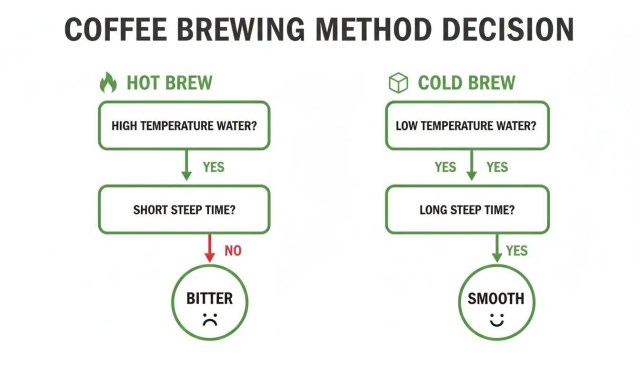
The history of cold brew is rooted in experimentation. Originally developed as a way to avoid the acidity of hot brewing, early cold brew enthusiasts quickly discovered that varying the coffee-to-water ratio dramatically altered the final product. What started as a necessity evolved into a world of customizable brewing possibilities. Through trial and error, the current best practices have emerged.
It’s important to define what we mean by 'concentrate' versus 'ready-to-drink'. A ready-to-drink cold brew is intended to be consumed as-is, often with ice or a splash of milk. A concentrate, on the other hand, is designed to be diluted with water, milk, or other liquids. This distinction is crucial when considering the ratios we’ll be discussing, as concentrates use significantly less water.
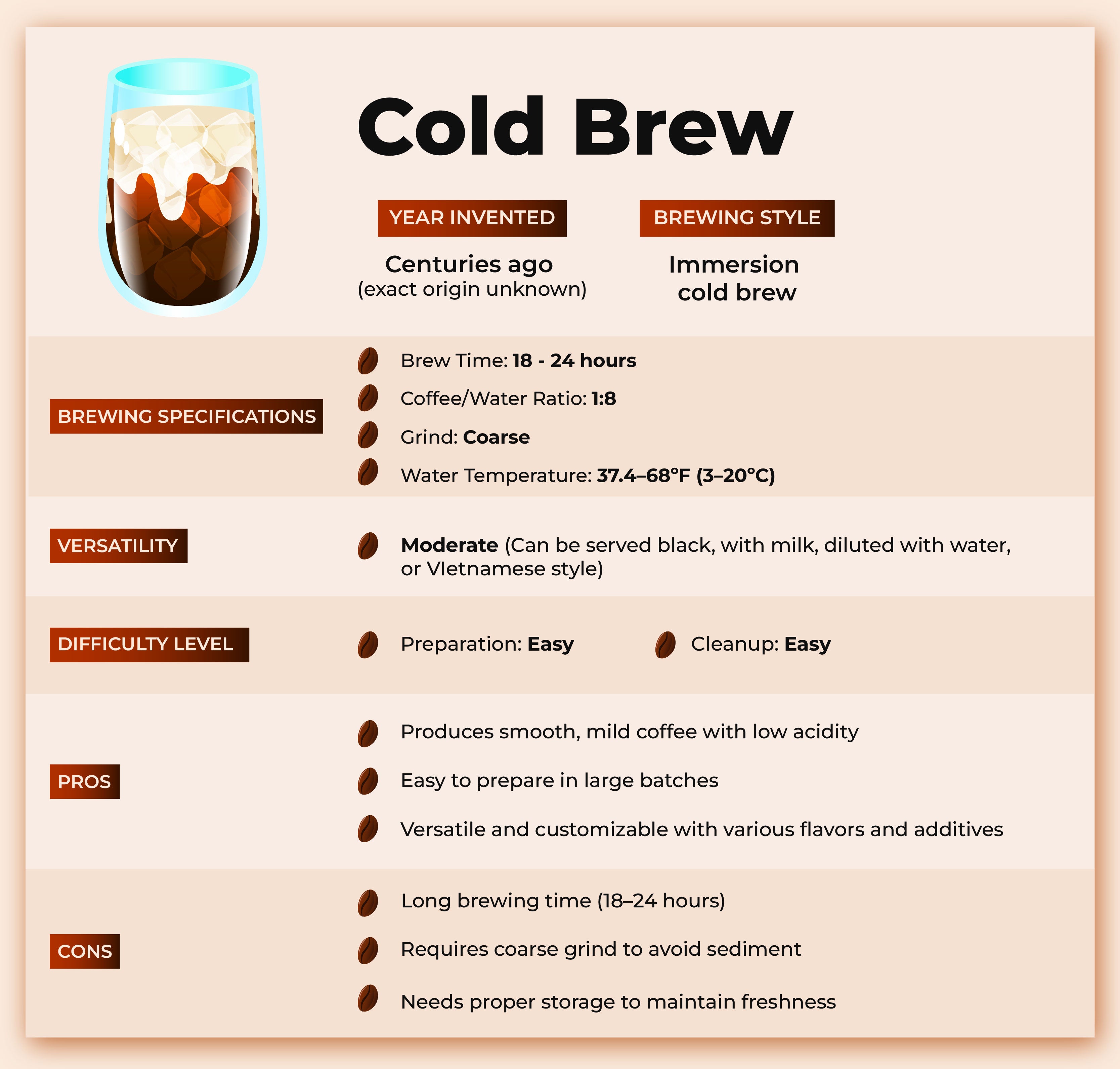
The 1:8 ratio: A starting point
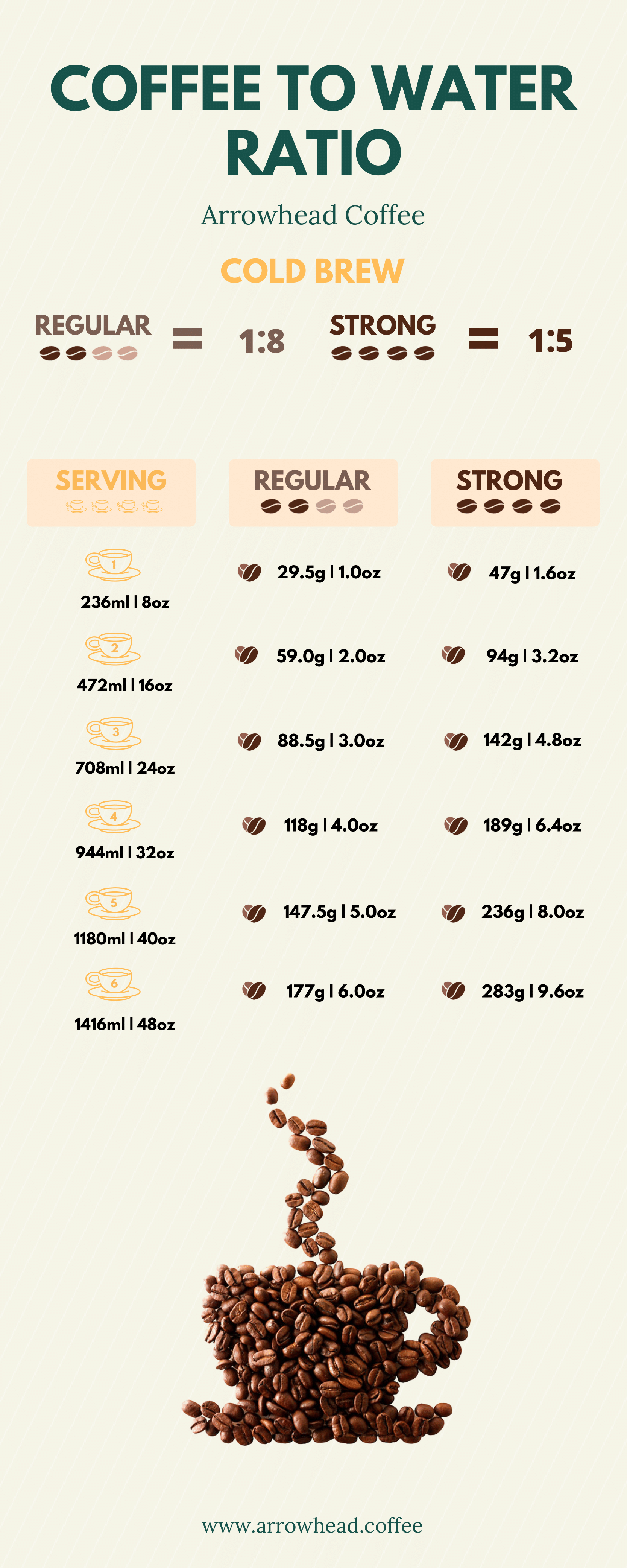
For a balanced, ready-to-drink cold brew, the 1:8 coffee-to-water ratio (by weight) is a fantastic place to begin. This means 1 part coffee grounds for every 8 parts water. It’s a forgiving ratio that consistently delivers a smooth, approachable brew without being overly strong or weak, making it ideal for beginners.
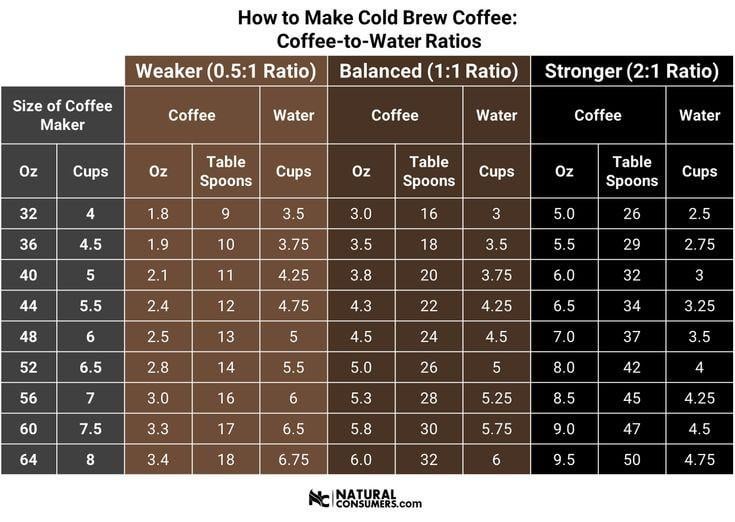
Accuracy is key. Don’t rely on volume measurements like cups or tablespoons, as these can be inconsistent. Investing in a kitchen scale is the single best thing you can do to improve your cold brew consistency. Weighing your coffee and water ensures you're hitting the ratio accurately every time. A small digital scale that measures in grams is perfect.
I’ve found this ratio works exceptionally well with medium-roast coffees from Central America, like a Costa Rican or Guatemalan. These beans tend to have a natural sweetness and balanced acidity that shines through with this brewing method. Lighter roasts can also work, but may require a slight adjustment to the ratio to achieve desired strength.
Concentrate ratios: 1:4 to 1:6
If you prefer a super-strong brew to dilute, or frequently use cold brew in recipes, a concentrate is the way to go. Concentrate ratios generally fall between 1:4 and 1:6, meaning 1 part coffee grounds to 4-6 parts water. The lower the number, the stronger the concentrate will be.
A 1:4 ratio will result in a very potent concentrate, requiring significant dilution. A 1:6 ratio will be slightly less intense, offering more flexibility. According to a recent discussion on Facebook, a common starting point for concentrate is within this range – a 1:4 to 1:6 ratio by weight is widely used.
When diluting, start conservatively. Begin with a 1:1 dilution (equal parts concentrate and water) and adjust to your taste. You can always add more water, but you can’t take it away! Remember that milk and other additions will also dilute the concentrate, so factor that into your calculations.
Tailoring ratios to your taste
Ultimately, the 'best' ratio is subjective and depends on your individual strength preference. If you enjoy a mild cold brew, a ratio of 1:10 or even 1:12 might be ideal. For a medium strength, stick with the 1:8 ratio we discussed earlier. And if you like a strong, bold brew, experiment with ratios between 1:5 and 1:7.
Roast level also plays a role. Darker roasts tend to taste stronger and more bitter, so you might want to use a higher water ratio (e.g., 1:9) to balance the intensity. Lighter roasts, on the other hand, often benefit from a slightly lower ratio (e.g., 1:7) to bring out their delicate flavors.
Consider the specific coffee bean. Some beans naturally have more caffeine or a bolder flavor profile. Experimentation is key. I often adjust the ratio by 0.5 or 1 part water depending on the origin and processing method of the bean. Don't be afraid to keep notes on your brews—it's the best way to learn what works for you.
I’ve found Ethiopian Yirgacheffe beans, known for their floral and citrus notes, benefit from a 1:7 ratio, while a Sumatran Mandheling, with its earthy and chocolatey flavors, does well at 1:6. The point is, there's no single right answer, it's about finding the balance that suits your palate.
Experimenting with ratios
Don’t limit yourself to the standard ratios. Once you’re comfortable with the basics, start experimenting! Try a 1:10 ratio for a remarkably mild brew that's perfect for hot summer days. Or push the boundaries with a 1:3 ratio for an intensely strong concentrate that can stand up to a lot of dilution.
Grind size also interacts with the ratio. A coarser grind is generally preferred for cold brew to avoid over-extraction, but if you’re using a finer grind, you might need to increase the water ratio to compensate. I’ve had interesting results playing with bloom ratios – briefly saturating the grounds with a small amount of water before adding the rest – particularly with older, degassed beans.
I once experimented with a 1:2 ratio using a dark-roasted Indonesian coffee. The result was a syrup-like concentrate that was almost too strong to drink straight, but fantastic in cocktails! It was a bit of an outlier, but it demonstrated the power of pushing the boundaries. Remember to document your experiments – what worked, what didn’t, and what you’d change next time.
Water quality matters
Many people overlook this, but water quality significantly impacts the final flavor of your cold brew. Mineral content and pH levels can both affect extraction. Hard water, with high mineral content, can sometimes lead to a muted flavor, while overly soft water might result in a flat, lifeless brew.
I recommend using filtered water. A simple carbon filter pitcher is a good starting point, but for optimal results, consider a reverse osmosis filter. These remove a wider range of impurities, leaving you with clean, neutral water. Be aware that some filters can remove beneficial minerals, so you might consider adding a pinch of sea salt back into the water.
Cold Brew Ratio Guide: Strength & Application
| Ratio (Coffee:Water) | Strength | Type | Best For |
|---|---|---|---|
| 1:8 | Mild | Ready-to-Drink | Everyday Drinking, Larger Batch Brewing |
| 1:7 | Medium | Ready-to-Drink | Versatile - Iced Coffee, Mixed Drinks |
| 1:6 | Medium-Strong | Ready-to-Drink | Iced Lattes, Coffee Concentrates |
| 1:4 | Strong | Concentrate | Cocktails, Intense Flavor Profiles |
| 1:3 | Very Strong | Concentrate | Specialty Coffee Drinks, Flavor Extraction |
| 1:5 | Medium | Concentrate | Flexible - Dilute to desired strength |
| 1:10 | Mild | Ready-to-Drink | Beginner-Friendly, Subtle Coffee Flavor |
Illustrative comparison based on the article research brief. Verify current pricing, limits, and product details in the official docs before relying on it.

No comments yet. Be the first to share your thoughts!